Review Links Traffic Noise Exposure to Increased Cardiovascular Disease Risk
A December 2025 review conducted by cardiologists at the University Medical Center Mainz and the Danish Cancer Institute has brought to light concerning evidence linking transportation noise, particularly from road traffic, to cardiovascular health issues. The review indicates that approximately 100 million people in the U.S. are exposed to unhealthy noise levels, predominantly from automobile and aircraft traffic, which represents about 30% of the population. The Environmental Protection Agency had previously set a recommended noise exposure limit of 55 decibels (dB) for a 24-hour period back in the 1970s, but many individuals now exceed this limit.
The findings of the review suggest that for every 10 dB increase in road traffic noise, cardiovascular mortality rises by 5%, the risk of ischemic heart disease increases by 8%, and the likelihood of stroke climbs by 14%. These conclusions are drawn from a comprehensive Danish nationwide cohort study involving over 2.5 million individuals, which accounted for air pollution and other risk factors.
Further evidence from European studies corroborates these findings, showing that exposure to nighttime road traffic noise is statistically linked to adverse changes in blood cholesterol levels among adults. This reinforces the connection between noise pollution and cardiovascular damage. Additionally, research presented at the American College of Cardiology Annual Scientific Session in 2022 indicated that noise pollution is responsible for one in 20 heart attacks.
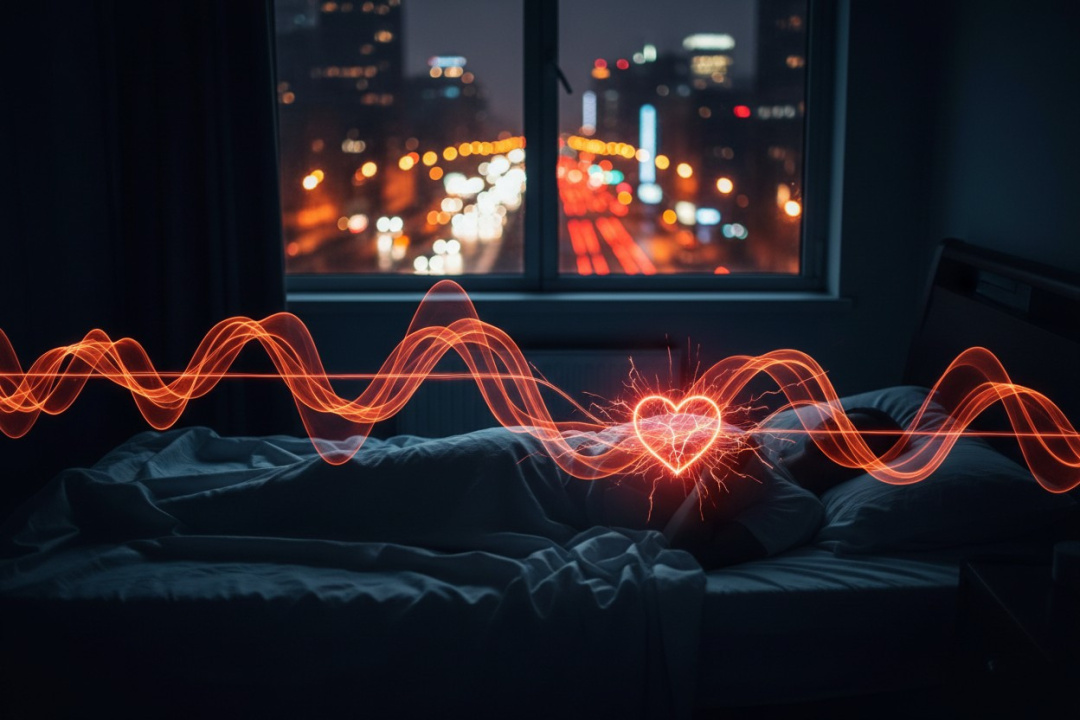
The review also discusses how the brain continues to process sound during sleep, triggering a stress response that releases hormones such as adrenaline and cortisol. In experimental settings, participants exposed to airport noise while sleeping exhibited impaired blood vessel function and elevated oxidative stress markers. Notably, administering vitamin C prior to exposure mitigated many of these adverse effects, underscoring the role of oxidative damage in this process.
The persistent stress response induced by noise exposure activates the sympathetic nervous system, which does not adapt over time. This chronic activation can lead to a hypersensitive hypothalamic-pituitary-adrenal axis, as highlighted in various studies. Despite the growing body of evidence, noise pollution is notably absent from major cardiovascular prevention guidelines, despite sharing biological pathways with established risk factors such as smoking, diabetes, and hypertension.
According to estimates from the European Environment Agency, traffic noise is responsible for at least 66,000 premature deaths and 50,000 new cardiovascular cases annually in Europe. Alarmingly, many patients remain unaware of the cardiovascular risks posed by noise exposure. This gap in clinical practice reflects a broader neglect of environmental factors in mainstream medicine.
Research indicates that noise pollution can harm the cardiovascular system at a cellular level by activating the sympathetic nervous system and increasing hormone levels, with damage beginning at noise levels as low as 35 dB to 40 dB, comparable to the sound of a quiet conversation.
To mitigate these risks, protecting sleep is crucial, as nighttime exposure is particularly damaging. The review suggests that acoustic-grade window insulation can significantly reduce indoor nighttime noise. Recommendations include using heavy curtains, double-glazing windows, and employing earplugs or white-noise machines to mask disruptive sounds. Additionally, supporting cardiovascular health against oxidative stress from noise exposure is vital, with vitamin C shown to reverse blood vessel impairment caused by noise in human trials. Broccoli sprouts, rich in sulforaphane, have been identified as beneficial in activating the body’s primary defense against noise-induced vascular damage. Regular exercise in quiet green spaces is also encouraged, as it can help reduce acute noise exposure while providing cardiovascular benefits.