Natto: The Japanese Superfood Linked to Longevity and Health Benefits
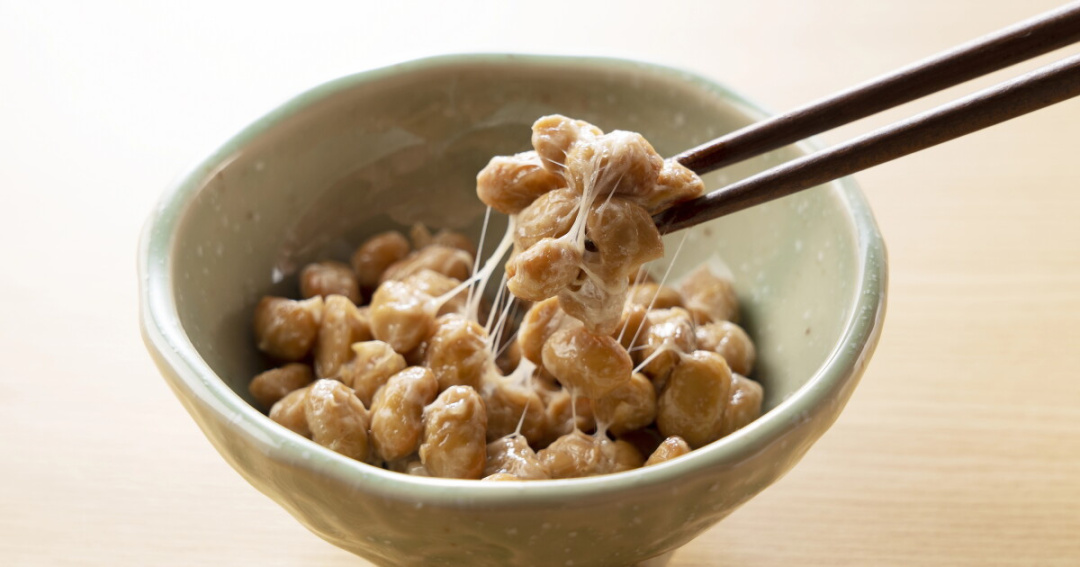
Natto, an ancient Japanese fermented bean dish, is increasingly celebrated for its health benefits and unique flavor profile. Known for its pungent smell and sticky texture, natto is made through a fermentation process involving cooked soybeans and the bacterium Bacillus subtilis var. natto. Despite its acquired taste, natto is becoming more popular globally, with exports from Japan significantly increasing, particularly to countries like China and the United States.
This superfood is packed with nutrients, offering a substantial amount of plant protein, dietary fiber, and essential minerals. A 50-gram serving of natto contains approximately 8.3 grams of protein, 4.8 grams of fiber, along with magnesium and potassium. One of its standout features is its high concentration of vitamin K2, specifically menaquinone-7 (MK-7), which plays a crucial role in bone health and blood clotting.
Research has highlighted natto's potential benefits for bone health, particularly in post-menopausal women. A study published in 2020 demonstrated that vitamin K2 could reduce fracture risks, reinforcing the importance of natto in supporting bone metabolism. Furthermore, natto has been linked to cardiovascular health. The Takayama study, which involved nearly 30,000 participants, found that those who consumed natto regularly had a significantly lower risk of dying from cardiovascular diseases compared to those with minimal intake.
In addition to its cardiovascular benefits, natto consumption has been associated with lower all-cause mortality rates. A 2020 study involving over 92,000 adults indicated that regular natto consumers experienced a 10-11% reduction in overall mortality, with specific benefits noted for cardiovascular-related deaths. While the exact mechanisms remain under investigation, the enzyme nattokinase found in natto appears to positively influence blood pressure.
Exploring Natto's Potential Benefits for Gut Health
Gut health is another area where natto shows promise. A smaller study involving 44 women suggested that consuming natto could enhance beneficial gut bacteria, although its effects on bowel behavior were not significantly altered. This indicates that while natto may support gut microbiome health, further research is needed to fully understand its implications.
The Promising Future of Natto in Nutrition and Longevity
Recent advances in research have shed light on natto's fermentation process at a molecular level, revealing how it interacts with human biology. Studies have shown that microbial fermentation transforms the supersulfide profile in plants, potentially contributing to natto's health-promoting properties. As interest in natto grows, more longitudinal studies are emerging, including a 15-year study that found regular natto intake significantly reduced the risk of all-cause mortality among elderly men in Japan.
Overall, natto's rich nutritional profile and its potential health benefits make it a noteworthy food for those looking to enhance their diet. As research continues to explore its effects on longevity and metabolic health, natto may play an increasingly important role in promoting well-being as we age.