The Liver's Vital Role and How Lifestyle Choices Can Support Its Function
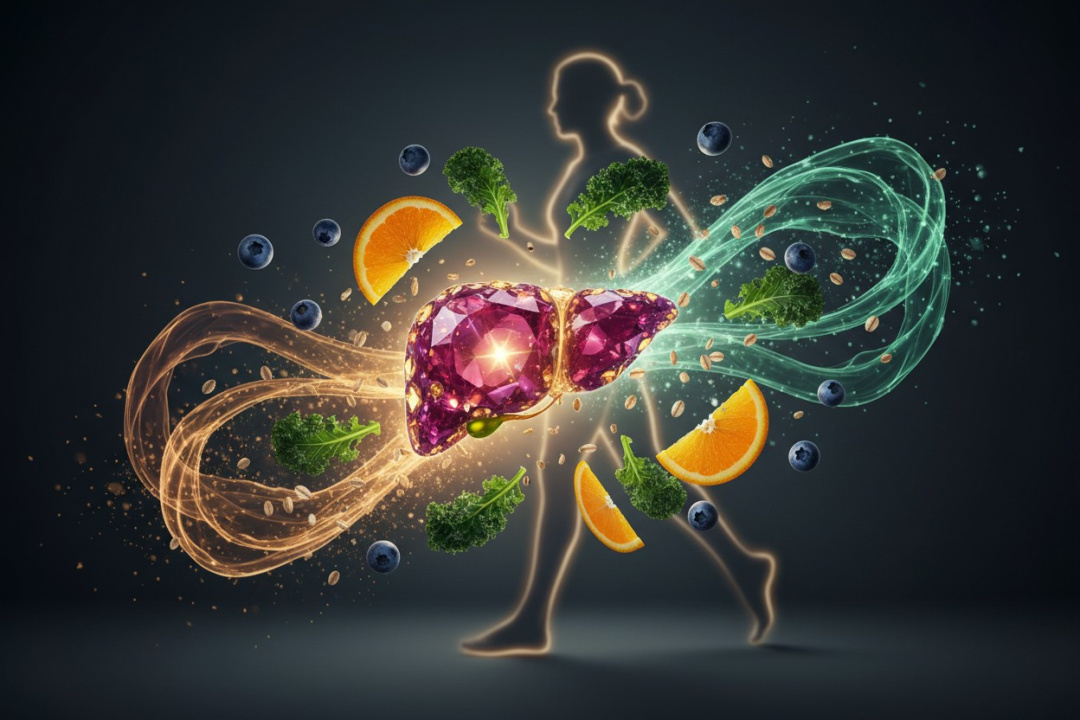
The liver plays a vital role as a filtering organ, processing substances from food, medications, and environmental toxins before they enter the bloodstream. As noted by registered dietitian nutritionist Molly Knudsen, the liver filters blood from the digestive tract and converts potentially harmful compounds into safer forms that can be eliminated from the body. This multitasking organ not only filters blood but also produces bile for digestion and regulates metabolism.
According to the National Institutes of Health, the liver is responsible for numerous functions, including metabolizing carbohydrates, fats, and proteins; producing bile for fat digestion; regulating blood sugar levels by storing and releasing glycogen; and supporting immune function by removing bacteria and viruses. Knudsen emphasizes that the liver continuously engages in natural detoxification processes, countering claims that quick-fix cleanses are necessary for liver health.
Dr. Sandra Cabot, in her book "Can't Lose Weight? You Could Have Syndrome X," differentiates between liver dysfunction and liver disease. While liver dysfunction may not show permanent damage, it can lead to inefficiencies in liver function, often detected through routine blood tests. The liver also produces bile, which aids in the digestion of dietary fats and the absorption of fat-soluble vitamins.
Liver issues can develop without noticeable symptoms, making routine checkups essential. Early signs of liver dysfunction may include low energy, bloating, or digestive discomfort. The liver's resilience can mask dysfunction until it becomes advanced, highlighting the need for professional evaluation and blood work.
In the United States, approximately 30% of adults are affected by nonalcoholic fatty liver disease (NAFLD), the most common chronic liver condition, with global estimates around 25%. Among individuals with obesity, up to 90% may have NAFLD, underscoring the importance of monitoring liver health even in asymptomatic individuals.
To support liver function, Knudsen recommends incorporating fiber-rich foods such as beans, lentils, berries, and whole grains into the diet, as they facilitate waste removal. Colorful plant foods provide antioxidants that help reduce oxidative stress. Additionally, targeted supplements like glutathione, milk thistle, and N-acetylcysteine (NAC) can bolster detoxification pathways, although obtaining these solely through diet can be challenging.
Milk thistle has a historical use in treating liver disorders, while NAC is known for supporting the production of glutathione, a potent antioxidant. Lecithin, particularly its component phosphatidylcholine, is also noted for its role in liver health and detoxification support.
Lifestyle choices play a significant role in maintaining liver health. Recommendations include limiting alcohol intake, engaging in regular physical activity, and ensuring adequate sleep. Ann Louise Gittleman, in her book "Radical Metabolism," suggests that increasing daily activity levels, such as walking, can enhance lymphatic flow and aid detoxification.
The liver processes and removes countless substances daily without external intervention. Healthy habits, including a balanced diet, exercise, and moderation in alcohol consumption, are essential for maintaining its function over time. The article concludes by emphasizing that no single product or quick fix can replace the liver's natural capabilities, and consistent lifestyle choices are key to supporting liver health.