Changing Seafood Preferences in Britain: Insights from Historical Recipes
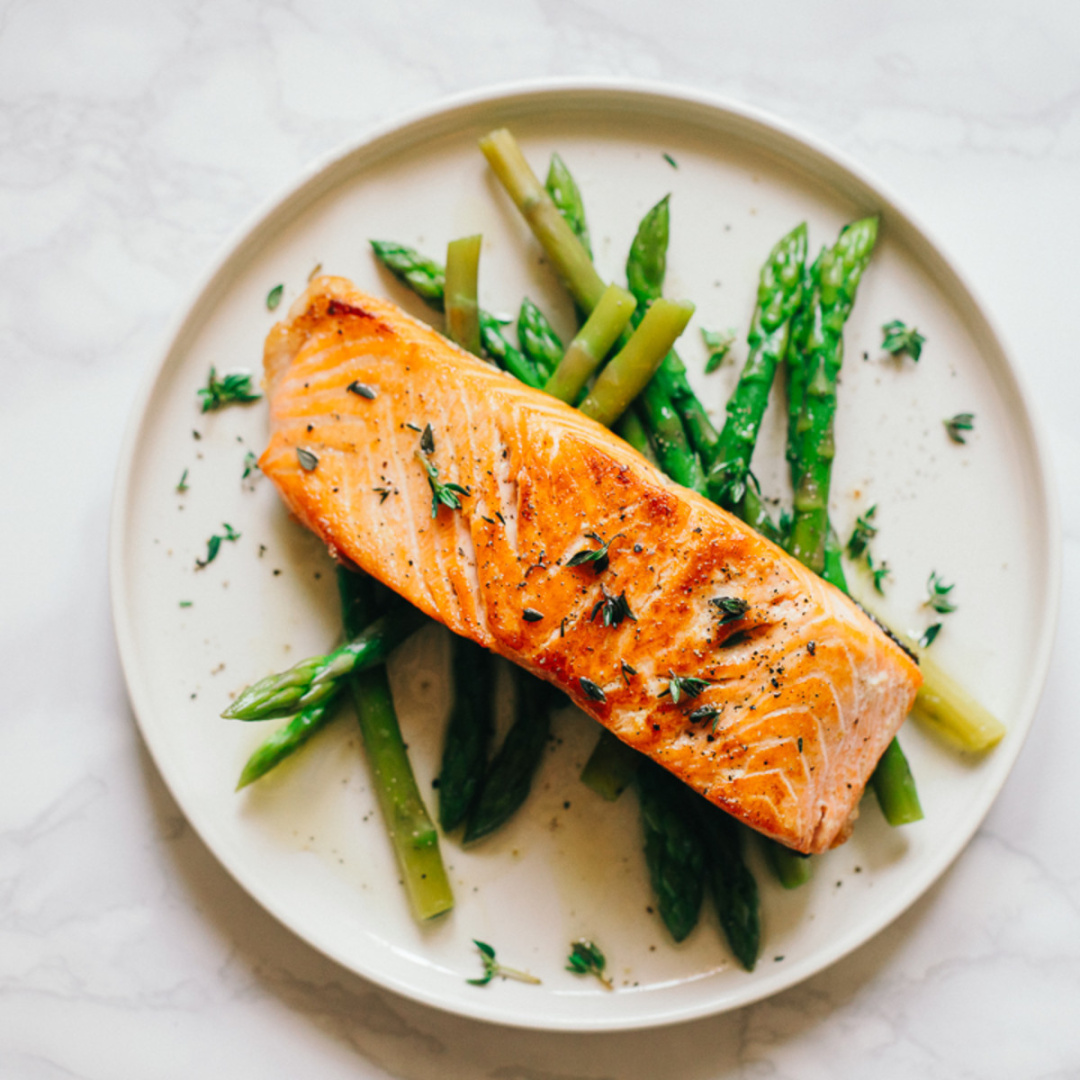
A walk through a British supermarket today reveals a variety of seafood options, including prawns from Southeast Asia, salmon from Norway, lobster from Canada, and tuna from the Indian Ocean. Despite seafood being one of the most traded foods globally, British consumers predominantly eat just five species: cod, haddock, salmon, tuna, and prawns. This observation leads to the assumption that Britain has always been a nation of cautious fish eaters, favoring a select few trusted varieties. However, recent research exploring a century of recipes from Good Housekeeping magazine suggests a more complex narrative.
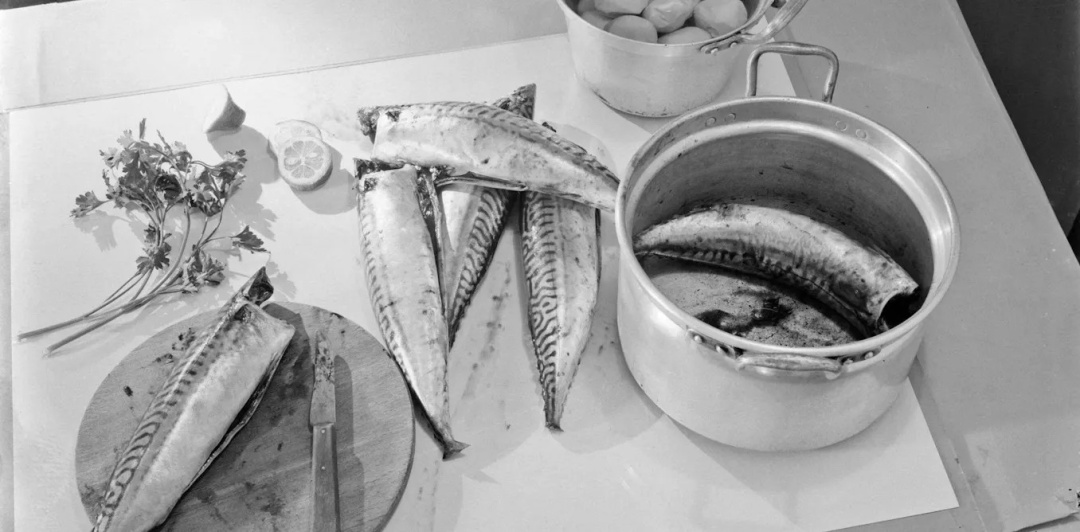
The study, which analyzed 1,192 fish and shellfish recipes published between 1923 and 2025, reveals that early British recipes showcased a broader and more flexible fish culture. In the 1920s, dishes included a variety of seafood such as sole, oysters, shrimp, and halibut, often with suggestions for substitute species. This flexibility indicated that the availability of fish was not always predictable, as seen in recipes that simply called for "fish" or "white fish."
As the decades progressed, the diversity of fish in recipes began to diminish. From the 1950s onward, there was a noticeable shift towards more standardized recipes that favored prepared fillets over whole fish, with frozen seafood becoming increasingly common. By the 1970s, the focus had narrowed significantly, with cod, haddock, salmon, tuna, and prawns dominating mentions in recipes, while other species like sole, herring, and oysters became less frequent.
The reasons behind this shift are multifaceted. While the decline of cod in British waters played a role, it remained a staple in recipes due to imports. Similarly, herring and oyster populations may have declined, but they did not completely vanish from markets. The recipes indicate that the fish featured were influenced less by local catches and more by global supply chains and marketing strategies.
Where Cooking Meets Fish
Despite the globalization of cooking styles, the fish choices within these recipes have remained limited. Recent recipes, such as gochujang sticky cod and miso prawn skewers, reflect a more adventurous culinary approach, yet still center around the same five species. This suggests that while British cooking has become more globalized, the range of fish consumed has not expanded accordingly.
Rethinking Seafood Consumption for a Sustainable Future
Interestingly, while British boats land a diverse mix of local fish and shellfish, much of this catch is exported, leading to a reliance on imported seafood for domestic consumption. The historical perspective provided by these recipes challenges the notion that Britain's narrow appetite for fish is a longstanding cultural norm. Instead, it appears to be a result of changing supply and trade dynamics, indicating that eating habits may be more adaptable than previously believed.
The findings from this research highlight the importance of reviving a more flexible approach to seafood consumption, one that embraces local and sustainably caught options such as sardines, pollack, and mussels. While some suppliers are already pioneering this approach, broader acceptance in the mainstream market is essential for fostering a healthier relationship with seafood and supporting local fishing communities. Recipes that prioritize versatility could play a significant role in securing the future of Britain's fish stocks and fishing communities, but they must be complemented by thoughtful choices from both suppliers and consumers.