Health Risks of Eating Noodles Daily: What You Should Know
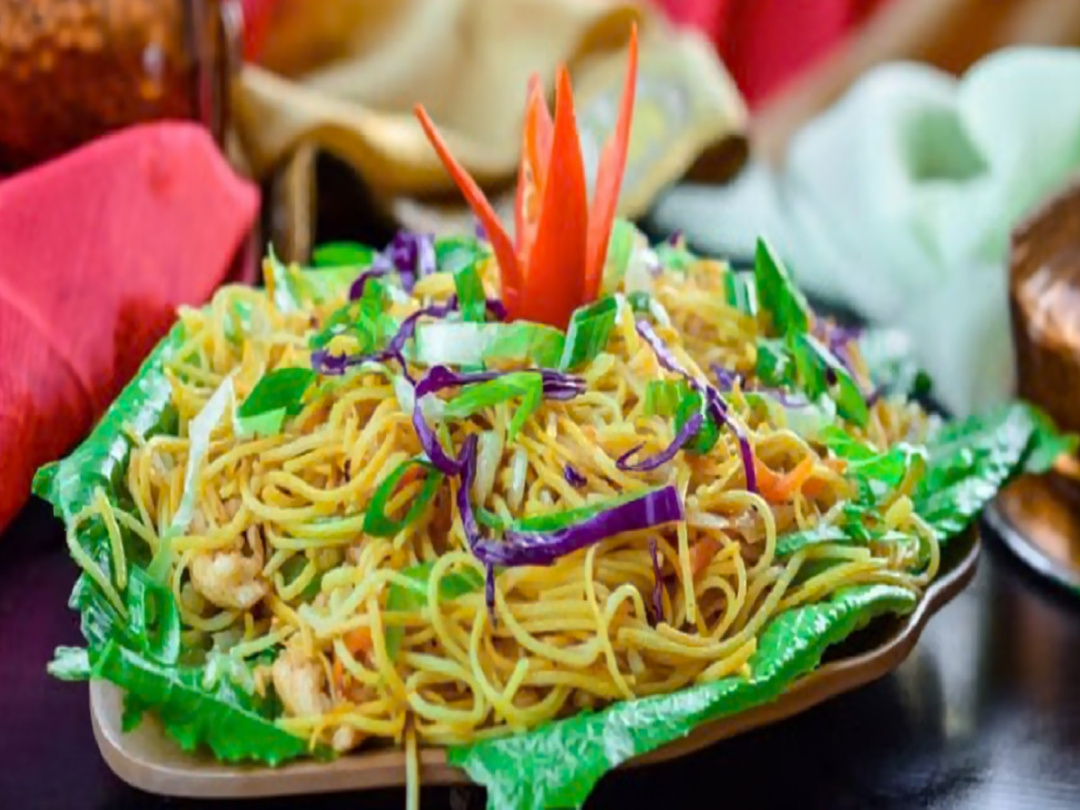
Noodles, whether instant, pasta, or homemade, are a staple food enjoyed by many for their affordability and ease of preparation. However, consuming them too frequently without a balanced diet can negatively impact overall health. Many noodles are made from refined wheat flour, which is lower in fiber and nutrients compared to whole-grain alternatives. Instant noodles, in particular, can be high in sodium and unhealthy fats, depending on the brand and preparation method.
One significant concern with regularly eating refined-flour products is their low fiber content. Dietary fiber is essential for healthy bowel movements and digestive function. If noodles replace fiber-rich foods like fruits, vegetables, pulses, and whole grains in your diet, you may experience issues such as constipation or bloating. However, not everyone will encounter digestive problems from noodles; individual digestive health and overall diet composition are crucial factors.
To mitigate these issues, consider adding fiber-rich ingredients like vegetables or beans to your noodle dishes. Staying hydrated and maintaining a diverse diet can also help support digestive health. While noodles can fit into a balanced diet, preparation methods and portion sizes are vital. Large servings or excessive use of oil and creamy sauces can significantly increase the calorie content of a meal. Meals lacking in protein and fiber may not keep you feeling full, potentially leading to overeating.
Controlling portion sizes and incorporating protein sources such as tofu, eggs, or beans can create a more satisfying and nutritionally balanced meal. Refined-flour noodles tend to raise blood sugar levels more than whole-grain options. When blood glucose rises, the body releases insulin to manage glucose levels. A diet high in refined carbohydrates, combined with low physical activity and excessive calorie intake, may increase the risk of metabolic issues. However, occasional noodle consumption is not inherently harmful; the overall dietary context matters.
Choosing whole-grain noodles, monitoring portion sizes, and pairing carbohydrates with protein and healthy fats can help maintain balanced meals. Instant noodles, in particular, require caution due to their high sodium content, which can contribute to high blood pressure and cardiovascular issues. Sodium levels can vary widely among brands, making it essential to read nutrition labels carefully. Reducing the use of seasoning packets and opting for fresh herbs can enhance flavor without excessive sodium.
How Grains Changes the Balance
A diet heavily reliant on refined grains and lacking in fiber, fruits, and vegetables can hinder maintaining healthy cholesterol levels and body weight. Research indicates that dietary patterns high in refined grains are linked to negative cardiovascular outcomes, but this does not imply that noodles alone cause heart disease.
The nutritional value of noodles largely depends on their ingredients, preparation, and portion sizes. Instant noodles often lack fiber and protein, while homemade versions can also fall short if made with refined flour and minimal protein or vegetables. Opting for whole-grain noodles, adding vegetables, and including protein sources can improve the nutritional quality of noodle dishes.
Balancing Noodles in a Healthy Diet
There is no one-size-fits-all answer regarding how often one should eat noodles. Enjoying them occasionally as part of a balanced diet is generally acceptable, while relying on instant noodles for multiple meals each week may lead to nutritional deficiencies. Instead of eliminating noodles, focus on preparation methods, accompanying foods, and frequency of consumption. Simple adjustments, such as incorporating vegetables and reducing salty seasonings, can enhance the nutritional profile of your favorite noodle meals.
Disclaimer: This article provides general nutritional information and is not a substitute for personalized medical advice. Individuals with specific health conditions, such as diabetes or high blood pressure, should seek tailored dietary guidance.