10-Minute Daily Exercise Routine Recommended to Enhance Sleep Quality
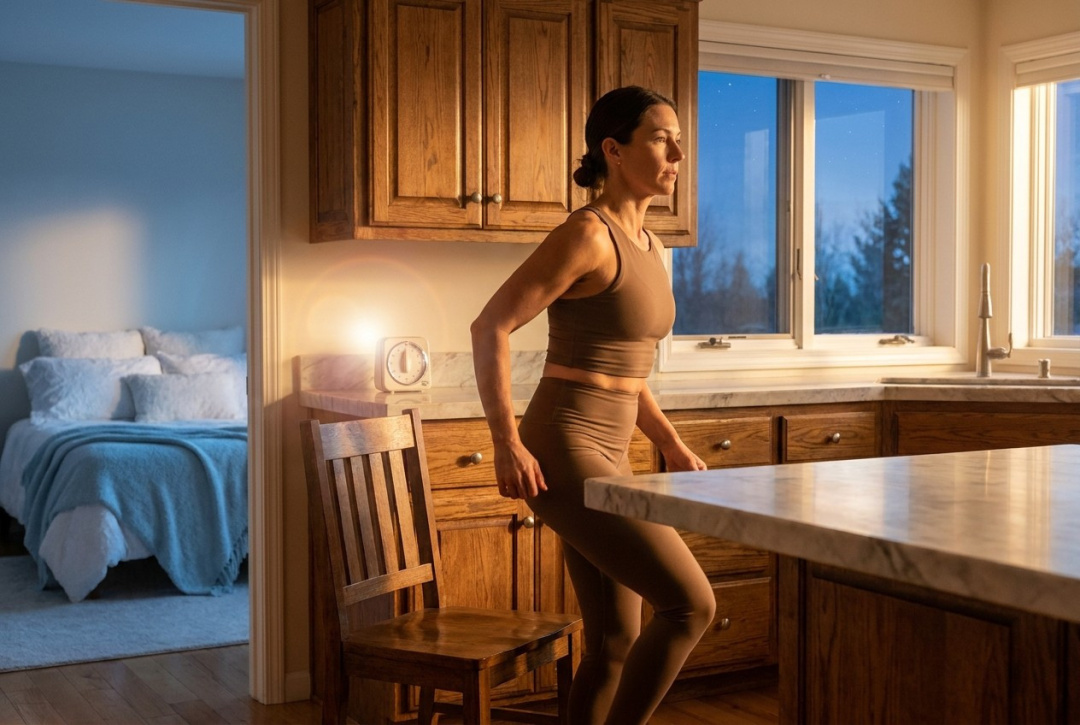
A recent study published in the Journal of Physical Activity & Health examined the effects of a 10-minute daily exercise routine on sleep quality. Researchers found that participants who engaged in at least 10 minutes of moderate to vigorous physical activity on more days experienced improved restorative sleep, particularly during the early part of the night. This suggests that consistency in exercise may be just as important as the total amount of exercise performed.
Brendon Stubbs, a professor of physical activity and mental health at King's College London, emphasized that short bursts of physical activity can elevate the body's heart rate and temperature. As the body cools down post-exercise, it signals the brain to prepare for sleep. Sleep scientist Dr. Sophie Bostock echoed this sentiment, noting that while a brief workout is not a complete solution for sleep issues, it can certainly help.
The study's findings were supported by multiple outlets, including ScienceDaily, which reported that individuals who exercised more frequently tended to enjoy better sleep quality. The researchers defined moderate activity as exercise that leaves one slightly out of breath but still able to hold a conversation. They found that even as little as 10 minutes of such activity was linked to improved sleep, with additional benefits observed from walking and standing breaks throughout the day.
For those new to exercise, Stubbs recommends starting with a brisk walk. He suggests beginning gently for a couple of minutes before increasing the pace to a level where one is slightly out of breath. This can be as simple as taking a quick lap around the block. Research indicates that morning walks can enhance cardiovascular health, boost energy levels, and improve oxygen circulation in the body, all of which may positively influence sleep and alertness.
Indoor Alternatives for Effective Exercise Routines
If outdoor exercise is not feasible, Stubbs offers alternatives that can be done indoors. He suggests a series of movements that can be performed in the kitchen, such as standing up from a sturdy chair repeatedly, doing wall press-ups, and marching in place. For those with stairs, walking up and down them for about a minute can also be beneficial. Dr. Bostock adds that cycling, whether on an exercise bike or outdoors, can also contribute to the 10-minute exercise goal while providing the added benefit of exposure to natural light, which supports healthy circadian rhythms.
For individuals who prefer a more intensive workout, Stubbs suggests a circuit routine involving squats, lunges, and glute bridges, followed by shadow boxing. He notes that if completing this in one session feels overwhelming, it can be broken down into shorter bursts throughout the day. However, he cautions against engaging in high-intensity workouts too close to bedtime, as this may leave individuals too energized to fall asleep.
Incorporating Exercise for Better Sleep Quality
While Stubbs emphasizes that cognitive behavioral therapy for insomnia remains the first-line treatment for sleep disorders, he encourages those struggling with sleep to consider incorporating short exercise routines into their daily lives. He also advises individuals with pre-existing heart conditions or those who have been inactive for a long time to consult a healthcare professional before starting any new exercise regimen. A review has indicated that strength training may enhance sleep quality more effectively than aerobic exercise, highlighting the importance of finding a suitable exercise type that fits individual needs and preferences.
Ultimately, the recommended 10-minute routine requires no special equipment and can be tailored to various fitness levels. Whether through brisk walking or simple indoor exercises, this approach offers a manageable way for individuals to improve their sleep quality and overall well-being.