How Hunger Intensifies Food Cravings and Affects Decision-Making

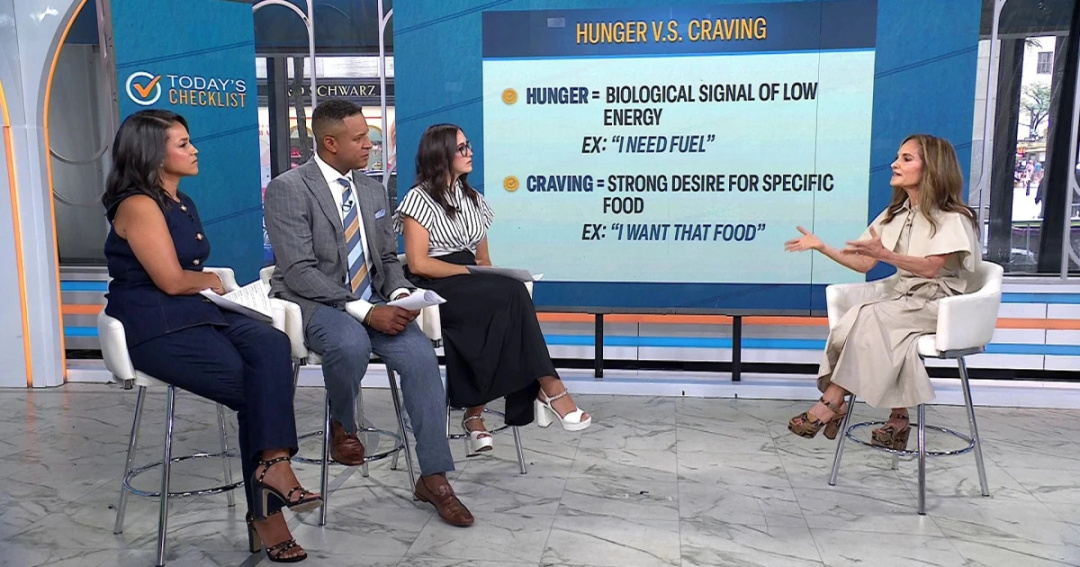
The common advice to avoid grocery shopping while hungry is not just a cliché; it reflects a deeper psychological truth about how hunger affects our cravings. When we enter a store with an empty stomach, we often find ourselves gravitating towards indulgent items, like pastries, that we had no intention of purchasing. This phenomenon is increasingly understood not as a failure of willpower but as a biological response to hunger.
Recent research has shed light on this connection, showing that hunger alters how our brains process food-related thoughts. In a study involving around 60 participants, researchers found that when individuals were hungry, they could imagine the taste, smell, and overall sensory experience of food more vividly and quickly than when they were satiated. Participants engaged in food-imagery exercises, where they were asked to visualize various aspects of eating, such as flavor and texture. The results indicated that hungry individuals experienced stronger and more immediate food-related thoughts.
This heightened sensitivity to food cues makes perfect sense from an evolutionary standpoint. Historically, when food was scarce, it was crucial for our ancestors to be acutely aware of food sources. The brain's ability to vividly imagine food when hungry would have been advantageous for survival, prompting individuals to seek out nourishment. However, in today's world, where food is abundantly available, this same biological mechanism can lead to overwhelming cravings that may feel impossible to resist.
Understanding the Brain's Response to Hunger and Cravings
As cravings become more intense when we are hungry, it is essential to recognize that this is not merely a lack of self-control. Instead, it is our brain responding to a fundamental need for energy. The study emphasizes the importance of not allowing ourselves to become overly hungry, as this can significantly impact our food choices. When we are ravenous, we are less likely to make thoughtful decisions about what to eat.
Empowering Mindful Eating Through Regular Habits
To navigate cravings effectively, establishing regular eating habits can be beneficial. By ensuring we do not reach a state of extreme hunger, we can maintain better control over our food choices and reduce the likelihood of succumbing to impulsive eating. The findings suggest that successful eating habits rely not just on willpower but on creating an environment where healthy choices are more accessible before hunger escalates.
In conclusion, understanding the relationship between hunger and cravings can empower individuals to make more mindful food decisions. Rather than viewing cravings as a personal failing, recognizing them as a natural response to hunger can help in developing healthier eating patterns that prioritize regular meals and snacks. This approach can ultimately lead to a more balanced relationship with food, allowing for enjoyment without the guilt often associated with cravings.