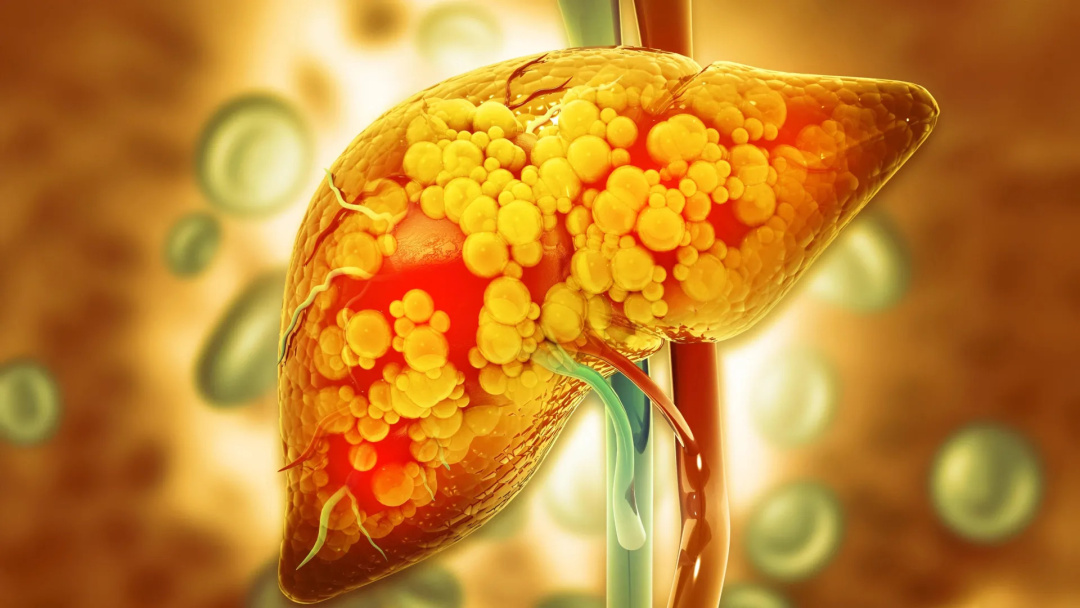
Experimental Drug DT-109 Shows Promise in Reversing Severe Fatty Liver Disease
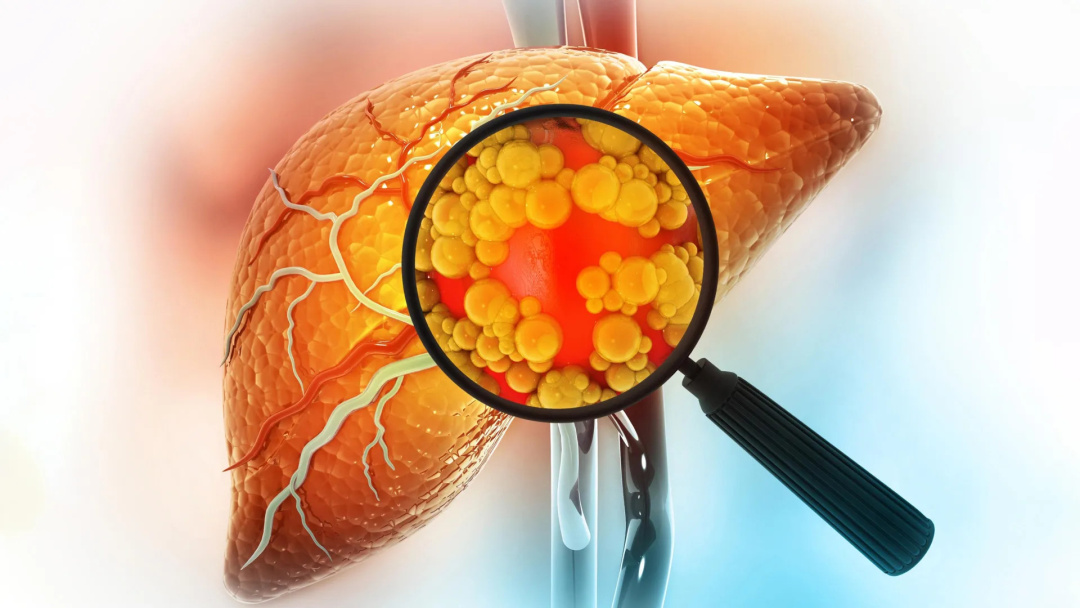
An experimental drug known as DT-109, developed at Michigan Medicine, has shown significant potential in reversing severe fatty liver disease in animal studies by restoring gut health. The findings, published in The Journal of Clinical Investigation, indicate that targeting the connection between gut health and liver function could represent a promising new approach for treating metabolic dysfunction-associated steatohepatitis (MASH), a serious form of fatty liver disease affecting approximately 7% of the global population. MASH can progress to more severe conditions, including cirrhosis, liver cancer, and liver failure, yet effective treatment options remain limited.
DT-109 is a glycine-based tripeptide that has been shown to reverse MASH in animal models by disrupting a harmful biological process that links the gut and liver. According to Dr. Eugene Chen, the senior author of the study and a professor of cardiovascular medicine at the University of Michigan Medical School, the drug protects the gut epithelial barrier, thereby reducing the systemic influx of harmful microbial products that contribute to the development and progression of MASH.
Earlier studies from Dr. Chen's laboratory had already indicated that DT-109 could improve MASH in animal models. The new research provides insights into how the compound achieves these benefits. The research team identified an overgrowth of the bacterium Clostridium perfringens as a major contributor to MASH. This bacterium generates ammonia in the gut, which damages the lining of the digestive tract and weakens the intestinal barrier. When this barrier is compromised, harmful microbial products can enter the bloodstream, reach the liver, and trigger inflammatory immune responses, including excessive activation of CD8+ T cells.
Through various experiments, the researchers found that DT-109 effectively disrupted this chain of events, leading to improvements in both gut and liver health. In studies involving both mice and nonhuman primates, DT-109 reduced levels of Clostridium perfringens and lowered ammonia production in the intestines. Consequently, the intestinal barrier became stronger, limiting the movement of harmful substances from the gut into the body. The results were particularly promising in nonhuman primates, whose liver biology and gut microbiota closely resemble those of humans. In these animals, DT-109 not only reduced liver inflammation but also significantly improved the severity of MASH.
Dr. Jifeng Zhang, a co-author of the study, noted that DT-109 connects microbiota modulation with liver protection by restoring gut barrier integrity and limiting the systemic translocation of ammonia and other pro-inflammatory microbial products within the gut-liver axis. The researchers believe that DT-109 may have applications beyond fatty liver disease. Previous studies have indicated that the compound can also reduce the formation of atherosclerosis plaques and prevent vascular calcification in nonhuman primates, suggesting potential treatment avenues for cardiovascular disease as well.
Given that the breakdown of the intestinal barrier has been linked to several digestive disorders, the team is optimistic that DT-109 could eventually be explored as a treatment for conditions such as inflammatory bowel disease (IBD). Future research will focus on additional testing necessary to move DT-109 into clinical trials and evaluate its safety and effectiveness in humans. Dr. Elliot Tapper, Academic Director of Hepatology at Michigan Medicine, expressed excitement about the study's findings, emphasizing the need for safe and effective therapies for patients with MASH. The study was conducted in accordance with ethical guidelines, with all protocols involving human and non-human primates reviewed and approved by relevant institutional boards.