The Freezer: A Culinary Asset Waiting to Be Embraced
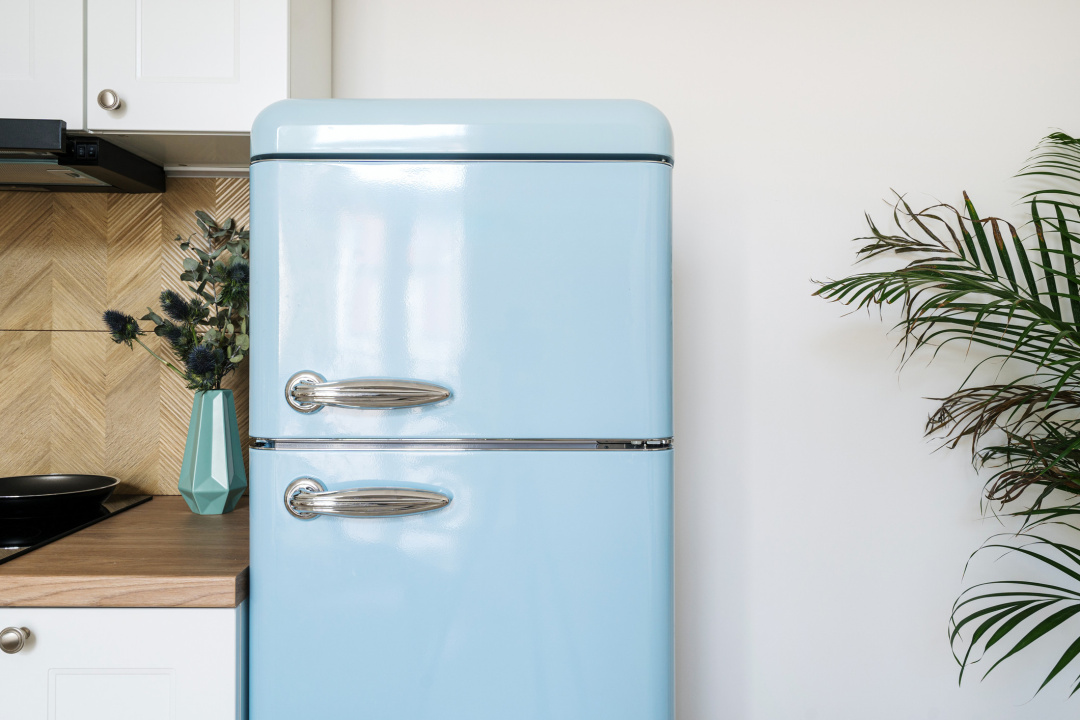
The article delves into the often-overlooked role of the freezer in culinary practices, contrasting it with the more celebrated pantry. It begins with a nostalgic reflection on the author's childhood influenced by cooking shows like "The Barefoot Contessa," where the pantry is depicted as a symbol of taste and curation. The author notes that while food culture has evolved to romanticize pantry items, the freezer remains underappreciated, often seen merely as a storage space for leftovers or emergency meals.
The piece discusses how social media has contributed to the aestheticization of kitchens, leading to a desire for beautifully organized pantries filled with curated items. In contrast, the freezer is likened to a practical relative, often filled with items that lack the visual appeal of pantry staples. The author points out that the freezer aisle in grocery stores does little to enhance its image, characterized by chaotic displays and a sense of disarray.
Despite this, the author reflects on personal experiences that have changed their perception of the freezer. A visit to an Italian deli in Chicago introduced them to a variety of frozen sauces and pastas, which transformed their view of what a freezer could hold. This experience highlighted the potential of the freezer to house not just practical items, but also culinary delights that can elevate weeknight meals.
The article argues that a 'hot freezer'—one filled with thoughtfully chosen items—can offer convenience and creativity in meal preparation. It suggests that the freezer should not be seen as a place of forgotten intentions but as a larder of possibilities. Items like pastry sheets, homemade pesto, and freezer jam are presented as examples of how the freezer can contribute to a more enjoyable cooking experience.
Ultimately, the piece advocates for a shift in how we view our freezers, encouraging readers to embrace them as valuable assets in the kitchen. It posits that a well-stocked freezer can provide not just sustenance, but also joy and anticipation for future meals, serving as a reminder that cooking can be both practical and pleasurable. The author concludes that the freezer deserves more recognition and imagination in our culinary lives, inviting readers to rethink its role in their kitchens.