Leftover Pasta: A Healthier Choice for Your Gut
In many households, cooking meals that can be enjoyed as leftovers is a common practice. One dish that stands out for its health benefits when eaten as leftovers is pasta. Surprisingly, pasta can be healthier for you if you refrigerate it for a day or two before consuming it. This phenomenon is linked to the changes that occur in the starch molecules during cooking and cooling.
When pasta is cooked, its starch granules absorb water and swell, making it easier for the body to break them down into glucose. However, as the pasta cools, the starch undergoes a process known as retrogradation. This process reorganizes the starch molecules into a tighter, crystalline structure that is more resistant to digestion. This newly formed structure is referred to as resistant starch, which offers several health benefits.
Resistant starch behaves more like fiber than a simple carbohydrate in the digestive system. Unlike simple carbs, which are quickly broken down and can lead to spikes in blood sugar, resistant starch travels to the large intestine where it acts as a prebiotic, nourishing beneficial gut bacteria. A healthy microbiome is associated with lower cholesterol levels, improved fitness, and greater longevity. Conversely, an imbalance in gut bacteria can lead to various health issues, including digestive problems and increased risk of chronic diseases.
One of the significant advantages of consuming resistant starch is its ability to reduce the glycemic impact of meals. While hot pasta contains simple starches that can cause rapid increases in blood sugar, the resistant starch in leftover pasta is digested more slowly, leading to more stable blood sugar levels. This is particularly beneficial for individuals with diabetes, as studies have shown that resistant starch can help lower post-meal blood sugar levels, making it a valuable component of medical nutrition therapy for type 2 diabetes.
The Benefits of Resistant Starch in Leftover Pasta
Moreover, eating foods rich in resistant starch can enhance feelings of fullness after meals. Because resistant starch is not broken down in the stomach, it helps prolong satiety, potentially reducing overall food intake. Research has indicated that individuals who incorporated resistant starch into their diets experienced weight loss and improved metabolic health. Additionally, resistant starch has been linked to lower levels of total and LDL cholesterol, further supporting heart health.
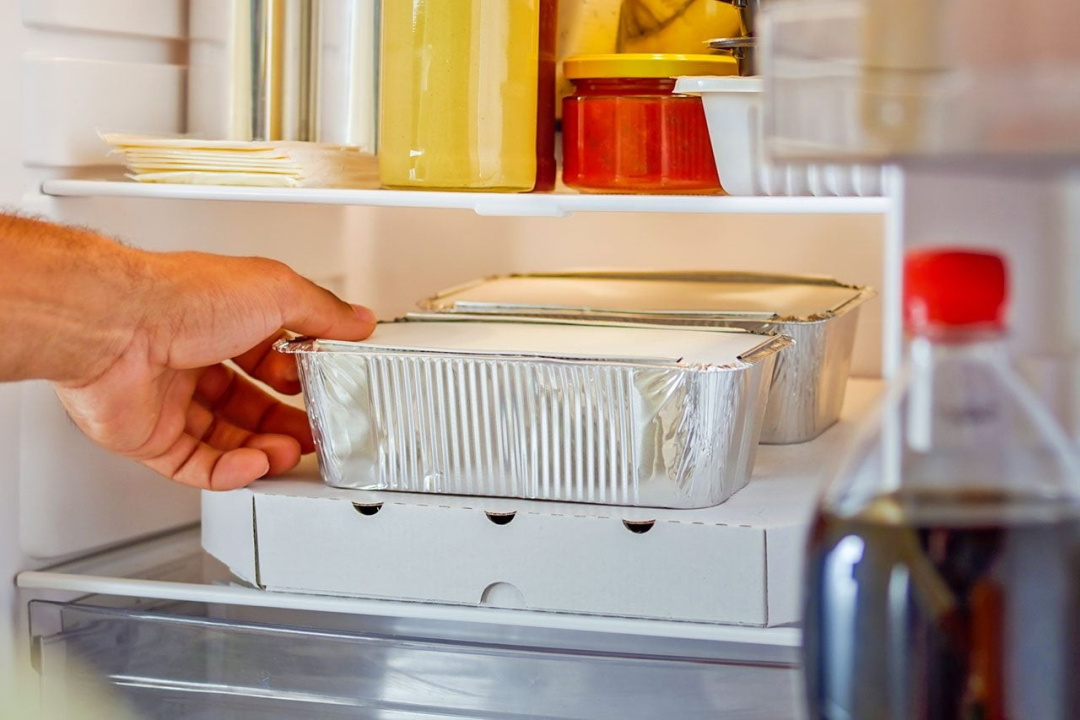
To maximize the formation of resistant starch, it is recommended to refrigerate pasta overnight after cooking. Allowing the pasta to cool significantly enhances the retrogradation process. It is important to let the steam escape before storing it in a shallow container to prevent bacterial growth. While some may worry about food safety, as long as the pasta is refrigerated within two hours of cooking, it should be safe to eat.
Embracing Leftover Pasta for Healthier Choices
Interestingly, reheating pasta does not eliminate the resistant starch; a meaningful amount remains even after reheating. In fact, studies have shown that reheated pasta can produce a smaller blood sugar spike compared to both freshly cooked and cold pasta.
In conclusion, while enjoying hot pasta is delightful, there are compelling reasons to embrace leftovers. Not only does leftover pasta provide nutritional benefits, but it also supports gut health and helps maintain stable blood sugar levels. So, the next time you prepare pasta, consider making extra for a nutritious meal later in the week.