Dietary Fiber's Crucial Role in Supporting Beneficial Intestinal Worms
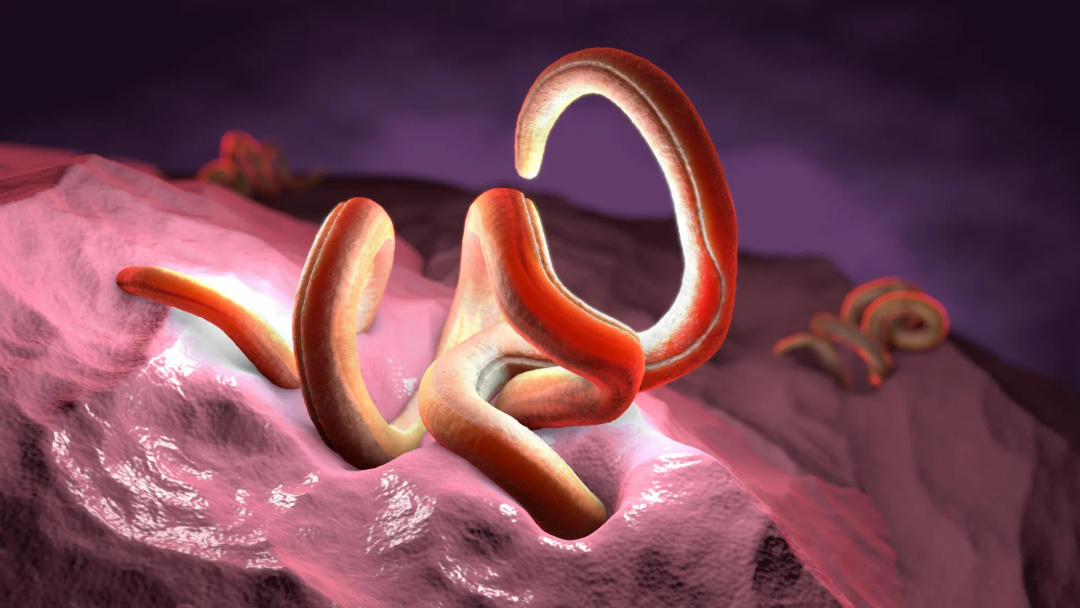
New research published in Nature Communications has shed light on the critical role of dietary fiber in supporting beneficial intestinal worms that may help reduce inflammation. Conducted by parasitologists at the Biology Centre of the Czech Academy of Sciences, the study found that these worms can only provide their anti-inflammatory benefits when they have sufficient dietary fiber to thrive. Without enough fiber, the worms enter a hibernation-like state, significantly diminishing their ability to combat inflammation.
Historically, intestinal parasites were a common aspect of human digestion, but their prevalence has decreased in industrialized nations due to improved hygiene and medical advancements. This decline has coincided with a rise in autoimmune disorders and inflammatory bowel diseases, prompting researchers to explore the potential of helminth therapy, which utilizes these worms to treat inflammatory conditions. However, results from such therapies have been inconsistent, leading researchers to investigate the factors influencing their effectiveness in the gut.
The study focused on the rat tapeworm Hymenolepis diminuta, a non-pathogenic species often used to study interactions among parasites, gut microorganisms, and the immune system. The researchers examined how varying levels of dietary fiber affected the tapeworm's health and its ability to induce an anti-inflammatory response in the host. Their findings revealed a stark contrast between diets high in structural fiber and those low in fiber.
When the diet was rich in fiber, the tapeworms thrived, exhibiting robust health and successfully promoting an anti-inflammatory response in the host. Conversely, when fiber was scarce, the worms shrank significantly, failed to reach sexual maturity, and ceased egg production. Genetic analyses indicated substantial shifts in gene expression related to the worms' development and metabolism, further underscoring the importance of dietary fiber.
Additionally, the study highlighted how dietary fiber impacts the gut microbiome. A fiber-rich diet fostered the growth of beneficial bacteria associated with a healthy intestinal environment, while a typical Western diet led to reduced microbial diversity and an increase in harmful bacteria. These microbial shifts corresponded with variations in the host's immune response, emphasizing the interconnectedness of diet, gut health, and immune function.
Health organizations generally recommend that adults consume between 25 to 30 grams of fiber daily, yet many in Western countries fall short of this target. In contrast, traditional populations are estimated to consume between 80 and 120 grams of fiber each day. Previous studies have linked inadequate fiber intake to weakened gut microbiomes, which are essential for digestive health and overall immune function. An imbalanced microbiome has been associated with a range of health issues, including allergies, mental health disorders, and neurodegenerative diseases.
This research underscores the importance of dietary fiber not only for the health of intestinal worms but also for the broader implications on gut health and immune response, highlighting the need for increased awareness and consumption of fiber-rich foods.