Ghanaian Cardiologist Highlights Hidden Heart Disease Risks on World Heart Day
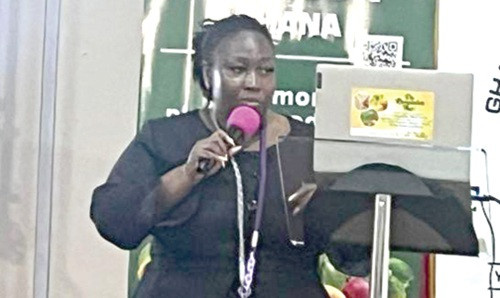
On World Heart Day, Dr. Florence Koryo Akumiah, a cardiologist at the Korle Bu Teaching Hospital, highlighted the alarming rise of hidden heart disease in Ghana. She pointed out that cardiovascular diseases are a major public health challenge globally, causing over 20 million deaths each year, with a significant portion of these deaths linked to preventable risk factors. In Ghana, recent statistics from the 2023 World Health Organisation (WHO) STEPS survey revealed that approximately one in five adults suffers from hypertension, a key risk factor for heart disease.
The survey, which included 5,438 adults across all 16 regions of Ghana, found that 21.7 percent of individuals aged 18 to 69 have hypertension, equating to about 3.7 million people. Notably, the burden of high blood pressure is more pronounced among women, with 25.3 percent affected compared to 18.2 percent of men. Urban areas also show higher rates of hypertension at 23.4 percent, versus 19.1 percent in rural regions. Alarmingly, 8.4 percent of participants had severely elevated blood pressure readings of 160/100 or higher, with the risk increasing significantly with age.
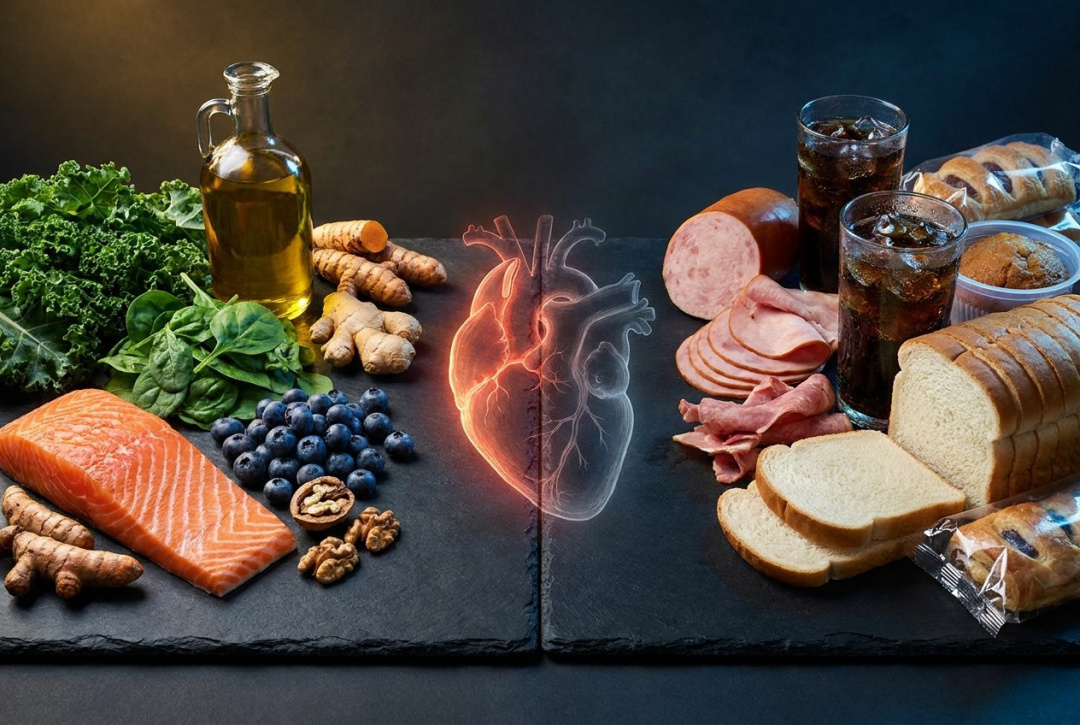
Dr. Akumiah traced many of these health issues back to everyday dietary habits. The Ghana STEPS 2023 report indicated that nine out of ten people add salt while cooking, and 23 percent frequently consume salty processed foods. Additionally, a staggering 76 percent of the population does not meet the recommended intake of five servings of fruits and vegetables per day, with many consuming less than one serving of fruit. Average leisure time spent exercising is only 13 minutes daily, dropping to just 4.5 minutes for women.
The gender disparities in health outcomes are striking. Beyond hypertension, the report indicated that 49.8 percent of women are classified as overweight or obese, compared to 19.7 percent of men. Furthermore, 22.6 percent of women are obese against just 4.5 percent of men, and 27.4 percent of women have raised cholesterol levels compared to 16 percent of men. Alarmingly, 70 percent of the population has never had their blood sugar levels checked, and 90 percent have never had their cholesterol tested. Among men, the situation is particularly dire, with one in three having never had their blood pressure checked, and six in ten individuals with high blood pressure unaware of their condition.
Catherine Adu-Asare Addresses Cardiovascular Disease Risks in Ghana
Catherine Adu-Asare, Programme Manager for the Diet and Healthy Living Programme at the Ghana Health Service, also spoke at the event, stressing that cardiovascular disease remains the leading cause of death worldwide, particularly affecting low- and middle-income countries like Ghana. She outlined the clear risk profile in the country, which includes hypertension, excess weight, low fruit and vegetable consumption, and high salt intake. These factors are not just future threats but are actively contributing to heart disease in families and communities today.
Promoting Heart-Healthy Dietary Choices for Community Wellness
Dr. Adu-Asare emphasized that dietary choices play a crucial role in heart health. She pointed out that a heart-healthy diet, as recommended in Ghana's Food-Based Dietary Guidelines (2023), should be diverse, minimally processed, and rich in vegetables, fruits, legumes, and nuts, while also maintaining appropriate portion sizes of other foods. She praised initiatives like Meatless Monday, which promote healthier eating habits, but stressed the importance of proper implementation.
The Executive Director of the Communications Initiative for Change, Emmanuel Fiagbey, echoed this sentiment, urging the public to embrace the Meatless Monday initiative as a practical step towards better health. He emphasized that such initiatives can significantly contribute to reducing the risk of heart disease and improving overall health outcomes in the community.