Dietitian Highlights Importance of Color Variety in Fruits and Vegetables for Antioxidants
A registered dietitian has highlighted the importance of consuming a variety of colorful fruits and vegetables to enhance antioxidant intake, which plays a vital role in protecting cells from free radicals. Kristen Wright, a dietitian at Houston Methodist, explains that the different colors found in fruits and vegetables often indicate the presence of various types of antioxidants, each supporting the body in unique ways.
This advice comes at a time when many Americans are not meeting their recommended produce consumption. Reports indicate that nearly 23% of Americans eat fruits and vegetables less than once a day, with the average vegetable intake being just 1.6 times daily. The need for increased consumption is underscored by the nutritional benefits that these foods provide.
Antioxidants are compounds that help neutralize free radicals, which can cause cellular damage. The diverse colors in fruits and vegetables are linked to different antioxidants, which contribute to various health benefits. For instance, phytochemicals, which are non-nutritive substances found in plant foods, are responsible for the colors and flavors of these foods and are crucial for their disease resistance.
Wright notes that a diet lacking in fruits and vegetables can lead to significant nutrient deficiencies, particularly in vitamins C and A, folate, and potassium. Long-term avoidance of these foods is associated with an increased risk of serious chronic diseases, including heart disease, stroke, Type 2 diabetes, and certain cancers. An umbrella review published in 2022 supports this, showing that fruits and vegetables are rich in nutrients and bioactive compounds that promote health.
Exploring the Health Benefits of Colorful Fruits and Vegetables
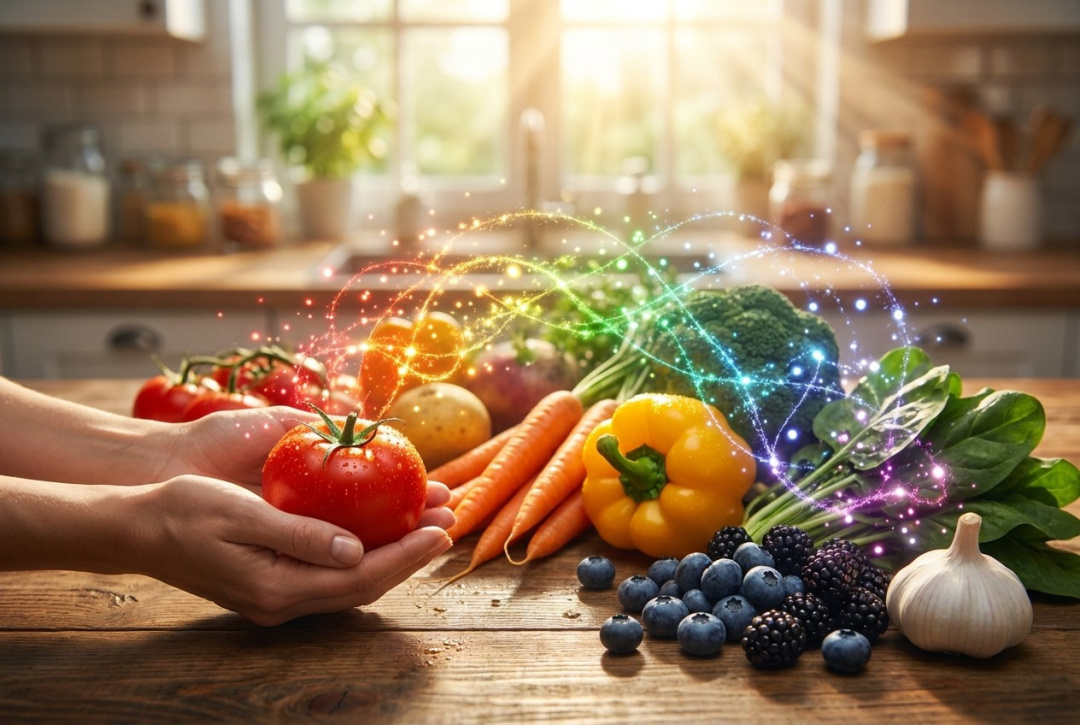
Foods like tomatoes and watermelon, which contain lycopene, are particularly noted for their health benefits, including improved heart health and reduced cancer risk. The vibrant colors of fruits and vegetables often indicate the presence of carotenoids, which are essential for human health. For example, carrots and sweet potatoes are excellent sources of provitamin A carotenes, contributing to the orange and yellow hues of these foods.
Embracing Colorful Choices for Optimal Nutrition
Wright emphasizes that whole foods are preferable to supplements, as they provide a range of nutrients and phytochemicals that supplements may lack. A study in the Journal of Food Composition and Analysis suggests that natural sources like bell peppers are more beneficial than isolated vitamin supplements. She encourages making small, sustainable changes in diet and daily routines to enhance overall well-being, reinforcing that each colorful choice contributes to a healthier diet.
The pigments responsible for the deep colors in fruits and vegetables, such as blues, purples, and reds, are often the same compounds that provide antioxidant benefits. Wright's guidance serves as a practical reminder for consumers to incorporate a spectrum of colors into their diets to maximize their antioxidant intake and support their health effectively.