Nine Effective Lifestyle Habits to Enhance Bone Density Without Supplements

As we age, our bodies undergo various changes, including a gradual loss of bone density. This can significantly affect our quality of life and mobility, making it essential to prioritize bone health. Many individuals consider taking bone health supplements, primarily composed of calcium and vitamin D, to maintain or improve bone density. However, recent research indicates that these supplements may not provide substantial benefits for healthy adults without specific nutrient deficiencies or risk factors. Instead, adopting a combination of lifestyle habits can be a safer and more effective approach to maintaining bone density and preventing fractures.
Bone density refers to the strength of our bones, which is determined by the amount of minerals present in a specific volume of bone tissue. The denser the bones, the stronger they are; conversely, porous bones are weaker and more susceptible to fractures. Low bone density, known as osteopenia, can lead to osteoporosis, a condition where bones become brittle and break easily. Individuals at risk for low bone density, such as post-menopausal women or those unable to obtain sufficient calcium and vitamin D from their diets, may benefit from supplements. Yet, for the average adult, focusing on lifestyle changes can yield better results.
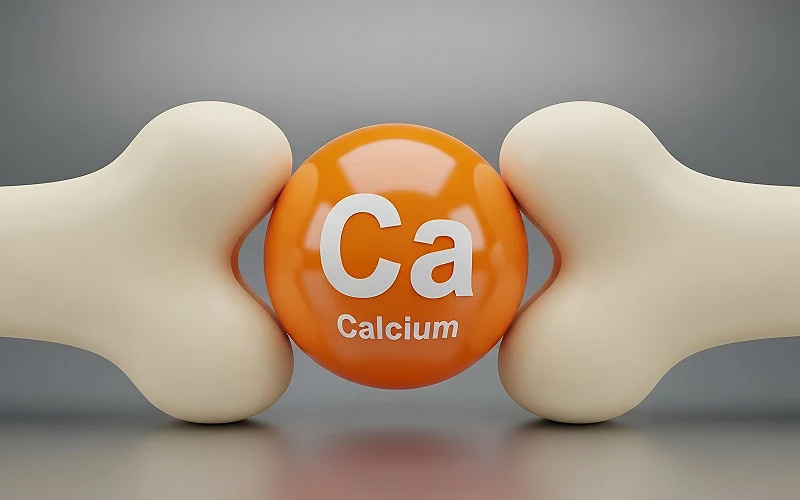
To support bone health, it is crucial to prioritize key nutrients in your diet, particularly calcium and vitamin D. Dr. Jocelyn Wittstein, an orthopedic surgeon and co-author of "The Complete Bone and Joint Health Plan," emphasizes the importance of obtaining these nutrients through food rather than supplements, as they are likely more effective and better absorbed. Adults generally need about 1,000 milligrams of calcium daily, while post-menopausal women require 1,200 milligrams. The recommended vitamin D intake is 600 IUs for adults and 800 IUs for those over 70.
Calcium-rich foods include dairy products like milk, yogurt, and cheese, as well as fish such as sardines and canned salmon. For those following a plant-based diet, options like tofu, soy milk, and leafy greens can provide adequate calcium. Vitamin D can be found in fatty fish, eggs, and fortified foods like milk and cereals. Additionally, it is essential to consume whole foods rich in other nutrients that indirectly support bone health, such as magnesium and vitamin K2. Magnesium aids in the conversion of vitamin D to its active form, while vitamin K2 plays a role in bone mineralization.
Incorporating sufficient protein into your diet is also vital for maintaining muscle health, which is closely linked to bone health. Dr. Wittstein notes that while excessive protein is unnecessary, adults should aim for 1.2 to 1.6 grams of protein per kilogram of body weight daily. Whole food sources such as lean meats, seafood, legumes, eggs, and dairy are preferable to processed protein shakes.
The Role of Fiber and Exercise in Bone Health
Dietary fiber is another important component for bone health, as it supports gut health through the gut-bone axis. Fiber feeds healthy gut bacteria, which produce short-chain fatty acids that have anti-inflammatory effects, inhibiting processes that lead to bone breakdown. Most Americans fall short of the recommended daily fiber intake of 25 grams for women and 38 grams for men. To boost fiber intake, consider incorporating beans, legumes, fruits, and whole grains into your meals.
Regular exercise, particularly resistance training, is essential for improving bone density. Engaging in resistance training two to three times a week can enhance bone strength. Compound movements, which work multiple muscle groups, are particularly beneficial. Weight-bearing exercises, such as squats and lunges, also contribute to bone health. Impact training, which subjects bones to mechanical force, can stimulate bone formation and is especially beneficial for the hip region, which is prone to fractures as we age. However, it is crucial to consult with a healthcare provider before starting any new exercise regimen, especially for older adults or those at risk of osteoporosis.
Practical Steps for Bone Health
In addition to diet and exercise, maintaining a healthy lifestyle by limiting alcohol consumption and avoiding nicotine is vital for bone health. Drinking more than two alcoholic beverages daily can increase fracture risk, while nicotine in any form can contribute to bone loss. Regular check-ups with a healthcare provider can help monitor bone health and nutrient levels, ensuring that individuals are not vitamin D deficient and are aware of any risk factors for osteoporosis.
In summary, while supplements may be beneficial for certain individuals, adopting these nine lifestyle habits can significantly enhance bone density and overall bone health. By focusing on a balanced diet rich in essential nutrients, engaging in regular physical activity, and maintaining a healthy lifestyle, individuals can take proactive steps to protect their bones as they age. Regular screenings for bone density can also provide valuable insights into one's bone health, allowing for timely interventions if necessary. Always consult with a healthcare professional for personalized advice and recommendations regarding bone health and wellness.