Scott Kelly's Year in Space: Changes in Telomere Length and Chromosome Stability
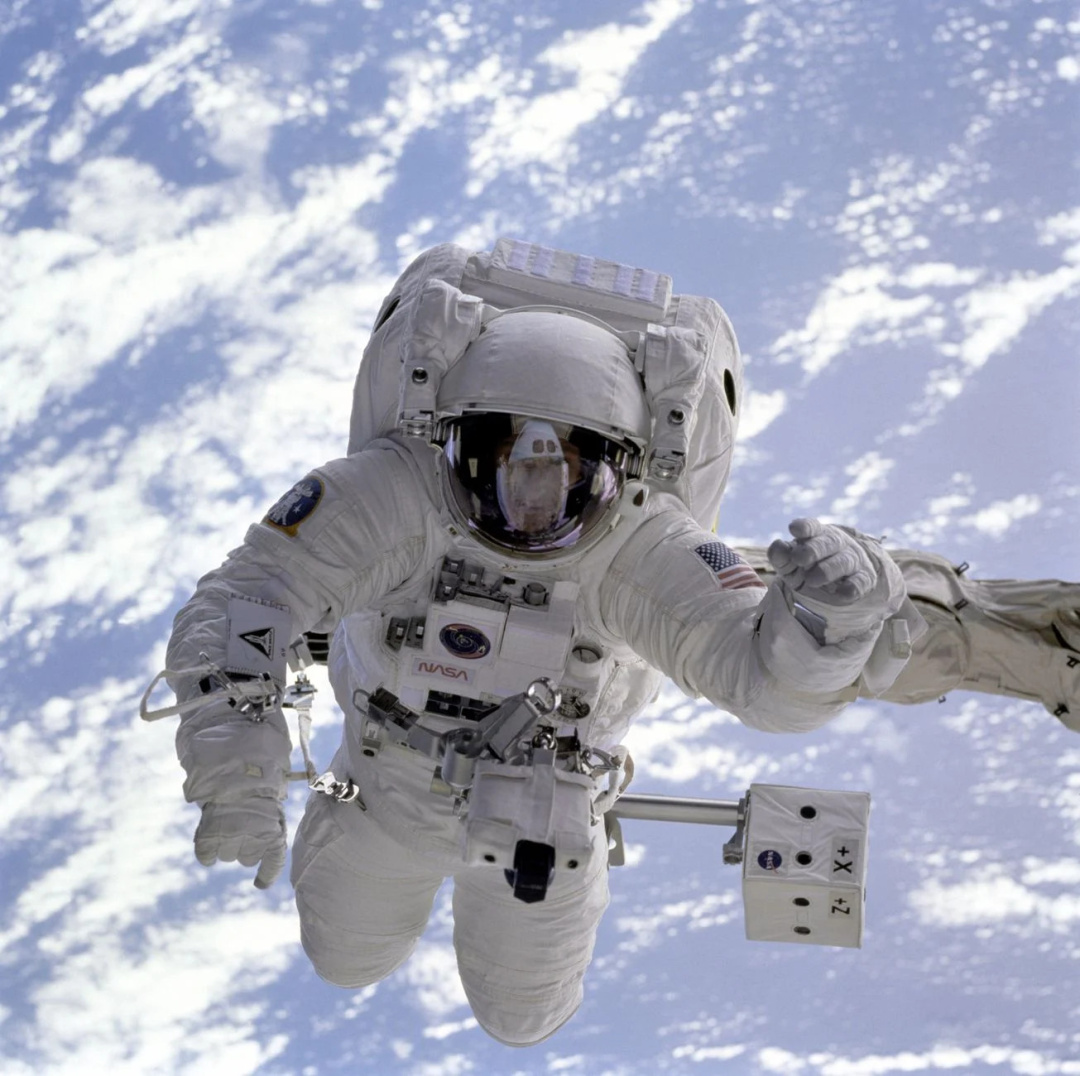
Astronaut Scott Kelly's year-long mission aboard the International Space Station (ISS) has yielded intriguing insights into the effects of space travel on human biology, particularly regarding telomere length. Telomeres, the protective caps on chromosomes that generally shorten with age, unexpectedly lengthened during Kelly's 340 days in orbit from March 2015 to March 2016. This finding contradicts prior expectations that spaceflight would lead to telomere shortening due to the stresses associated with such an environment, including radiation exposure, confinement, and altered gravity.
NASA's Twins Study, which compared Kelly's biological responses to those of his identical twin brother Mark, who remained on Earth, aimed to explore the physiological effects of long-duration spaceflight. The study encompassed various biological systems, including immune function, gene expression, and cognitive performance, providing a comprehensive view of how spaceflight impacts human health.
While the initial results showed an increase in average telomere length during the mission, the situation changed dramatically upon Kelly's return. Within 48 hours of landing, most of his telomeres reverted to baseline levels, with some even becoming shorter than they had been prior to the mission. This rapid change raises significant concerns, as it suggests that long-duration spaceflight may not only alter biological markers in the short term but could also lead to a higher prevalence of critically short telomeres, which are associated with cellular aging and instability.
The implications of these findings extend beyond mere curiosity. They highlight the complex interplay between spaceflight and human biology, suggesting that the body may respond to the stresses of space in unpredictable ways. The study authors and external experts have proposed various factors that could contribute to these telomere changes, including dietary influences, exercise regimens, and the body's adaptive responses to the unique conditions of space.
Moreover, the Twins Study revealed persistent changes in other biological markers, such as increased DNA damage from chromosomal inversions, which remained elevated long after Kelly's return to Earth. This underscores the potential long-term effects of space travel on human health, particularly for future missions to Mars or beyond, where astronauts will face even greater challenges.
Ultimately, the findings from Kelly's mission prompt critical questions about the nature of biological adaptation to space. They suggest that while some aspects of human biology may improve in space, others may deteriorate, complicating our understanding of how to maintain astronaut health during extended missions. As researchers continue to analyze the data from the Twins Study, the focus will be on unraveling the mechanisms behind these changes and determining their clinical significance for future space exploration.