Study Links Meat Consumption to Longevity in Older Women, with Important Nuances
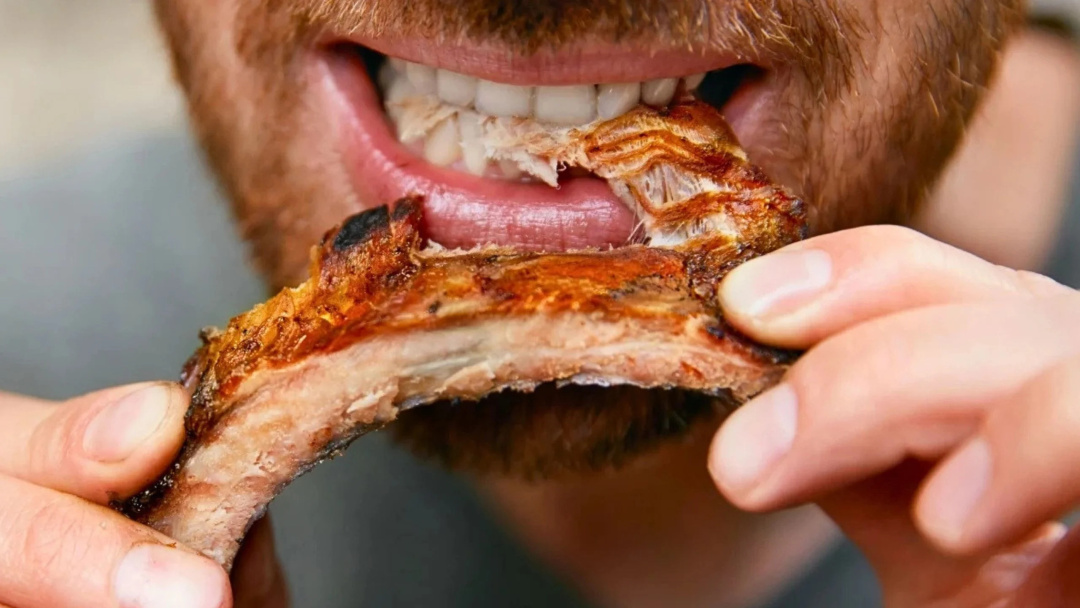
Humans are living longer than ever before, with projections indicating that by 2050, nearly half a billion people could be over the age of 80. This increase in life expectancy is partially attributed to improvements in nutrition, yet the specific food choices that contribute to the longest and healthiest lives remain a topic of ongoing research. While some diets, particularly those rich in whole, plant-based foods and healthy fats, are linked to extended longevity, the role of meat consumption is more contentious and often comes with caveats.
A recent study conducted in China adds another layer to this discussion. Analyzing data from over 5,000 individuals aged 80 and older, researchers found that female meat eaters had a greater likelihood of reaching the age of 100 compared to their vegetarian counterparts. However, this association was not observed among male participants when the data was examined by sex. Notably, the study revealed that it was primarily underweight female vegetarians who faced a lower chance of living to 100 compared to meat eaters.
The researchers concluded that daily meat consumption was associated with a 44 percent higher likelihood of reaching 100 years old for underweight individuals, while this correlation did not appear in those with normal weight or overweight status. Furthermore, vegetarians who included fish, dairy, or eggs in their diets had comparable longevity prospects to meat eaters, suggesting that adequate caloric and nutrient intake is crucial for older adults aiming for longevity.
These findings align with recent research emphasizing the importance of protein intake for maintaining muscle mass and promoting healthy aging. The study was part of the Chinese Longitudinal Healthy Longevity Survey (CLHLS), one of the largest studies on older adults globally, conducted by researchers from Fudan University, the Chinese Center for Disease Control and Prevention, and Shanghai Jiao Tong University. They compared the outcomes of 1,459 centenarians with those of 3,744 non-centenarians in their 80s and 90s.
Body mass index (BMI) was identified as a factor that partially explained the link between vegetarianism and shorter life expectancy. The authors suggested that further exploration of BMI's role in longevity is warranted, particularly given the phenomenon known as the "obesity paradox," where higher body weight may correlate with better health outcomes in older populations, a reversal of trends seen in younger groups.
Understanding the Limitations of Dietary Studies in Older Adults
While the centenarian study offers valuable insights, it is important to note that it can only establish associations, not causation. The research did not account for how dietary habits might evolve over time, as participants reported their eating patterns only in later life, potentially influenced by factors such as the ease of food consumption. Previous studies have indicated that lifestyle choices, including diet, significantly contribute to longevity, with estimates suggesting that healthy behaviors account for up to 70 percent of the factors leading to reaching age 90.
As older adults may have different nutritional needs, many studies on vegetarian diets focus on younger populations. For instance, a study involving over 65,000 individuals found that those adhering to a vegetarian diet might face a higher risk of fractures, potentially due to lower calcium and protein intake. However, this notion is still debated, with some researchers arguing that lower protein consumption could support healthier aging by preventing excessive cellular growth.
Navigating the Complexities of Nutrition for Longevity
Nutrition is a complex field, influenced by various societal, environmental, and individual factors. Ultimately, the best dietary choices for promoting longevity likely require a diverse and balanced approach, tailored to individual needs. While vegetarian, plant-based, and low-meat diets are associated with reduced risks of several health issues, the type and amount of meat consumed also play a significant role in health outcomes. Processed and red meats are often linked to negative health effects and shorter lifespans, underscoring the importance of moderation.
The researchers concluded that their findings highlight the necessity of a balanced diet that includes both animal and plant-derived foods to support healthy aging. They call for future studies to focus on older adults to develop more precise dietary guidelines.