Study Reveals Misleading Health Claims on Food Labels
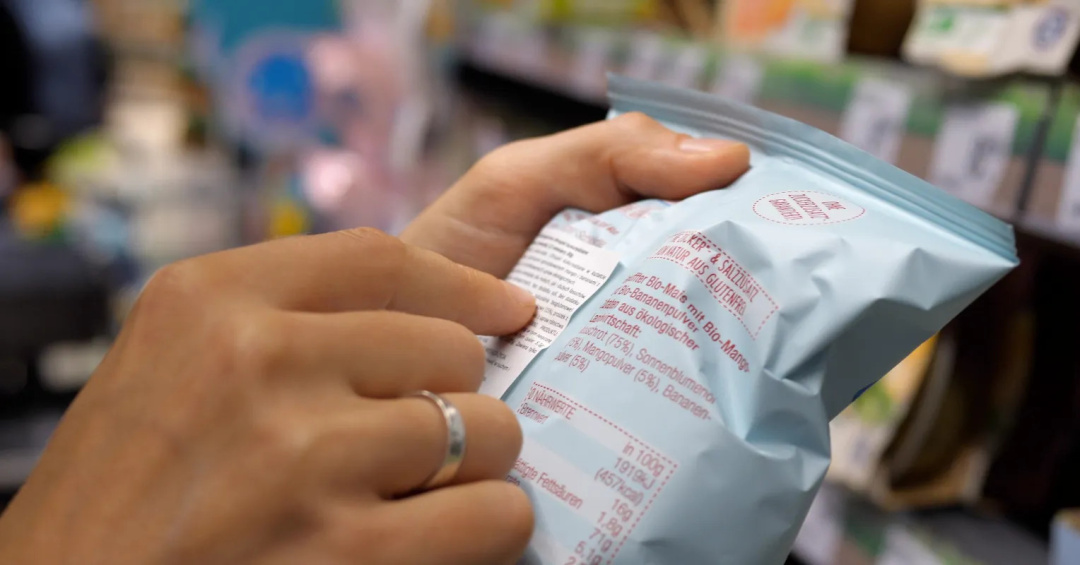
Recent research published in Nature Food has revealed significant discrepancies in health claims made on food packaging. Conducted by a team of Cornell food marketing researchers, including Pei Zhou, Miguel Gómez, and Harry Kaiser, the study analyzed nearly 150,000 food and beverage products launched in the United States from 2015 to 2024. The findings indicate that while many products boast health-related labels such as 'reduced fat' or 'high fiber,' these claims may not accurately reflect the overall nutritional quality of the items.
The researchers utilized the U.K. Nutrient Profiling Model, a comprehensive scoring system that evaluates a product's entire nutritional profile, including calories, sugar, sodium, saturated fat, fiber, and the presence of fruits, vegetables, and nuts. This model allows for a more holistic assessment than relying on single-nutrient claims.
The study found that more than half of the new products featured health claims on their packaging. However, approximately two-thirds of these products were classified as 'less healthy' according to the British nutrition model. While products with certain health claims tended to have marginally better nutritional profiles than those without, this was not universally true across all categories. For instance, beverages marketed as having 'low sodium' or 'low saturated fat' often contained higher sugar levels.
Interestingly, claims labeled as 'natural' were the most prevalent among the products studied. However, these claims do not necessarily correlate with better nutritional quality. In fact, the analysis indicated that products with 'natural' claims often had poorer nutrition profiles in various categories. This phenomenon can lead to what researchers refer to as the 'halo effect,' where consumers mistakenly perceive these products as healthier based solely on their labeling.
Examining Consumer Trust in Food Label Health Claims
Consumer trust in these claims appears to be low, as indicated by a 2025 National Science Foundation white paper. The study revealed that while 83 percent of consumers read food labels before purchasing, only 16 percent found the health claims to be highly trustworthy. This skepticism is compounded by the complexity of interpreting nutritional information, with 20 percent of participants reporting difficulties in understanding the labels.
Importantly, the study does not imply that food manufacturers are violating regulations. Nutritional claims are monitored for accuracy regarding specific attributes but not for the overall nutritional profile of the products. The authors of the study acknowledge its limitations, noting that it is observational and focuses on newly launched products rather than consumer purchasing behavior.
Revising Food Labeling for Greater Clarity and Consumer Awareness
In response to these findings, federal regulators are reconsidering food labeling practices. The U.S. Food and Drug Administration updated its definition of 'healthy' in 2024 and is proposing a new front-of-package labeling system designed to provide clearer nutritional information at a glance. Similar initiatives have been adopted in other countries, including the U.K., Mexico, and Chile, which aim to simplify nutritional labeling for consumers.
In conclusion, the study underscores the importance of scrutinizing food labels beyond the claims presented on the front. Consumers are encouraged to check the back label for added sugars, sodium, and saturated fat levels, and to compare products to understand the trade-offs involved in health claims. By being more informed, shoppers can make better choices that align with their nutritional needs.