Nine Fruits That May Help Lower Cancer Risk, According to Experts
Dr. Heather Zinkin, a radiation oncologist at Northwell Huntington Hospital, advocates for the inclusion of fruits in our diets as a proactive measure against cancer. She believes that nutrition should not be an afterthought when dealing with cancer but rather a preventive strategy. Zinkin emphasizes that fruits and other plant foods contain numerous natural substances that can enhance immunity, including flavonoids, which are powerful antioxidants found in fruits like blueberries.
Zinkin explains that while mutations in our cells are common, our immune systems are equipped to manage these changes, thanks in part to compounds like flavonoids. These plant chemicals can create an environment that is hostile to carcinogens and inhibit angiogenesis, the formation of new blood vessels that tumors need to grow and spread. Additionally, certain phytochemicals in fruits can trigger apoptosis, or programmed cell death, which is essential in cancer prevention.
Fiber, another critical component of fruits, plays a significant role in supporting immune health. Zinkin notes that fiber is closely linked to the immune system, as it helps maintain gut health, which is foundational for overall immunity. Increasing dietary fiber intake has been associated with a reduced risk of various cancers, including breast cancer.
The American Institute for Cancer Research supports the notion that no single food can guarantee cancer protection, but a diet rich in cancer-fighting foods can significantly lower the risk of developing the disease. Zinkin suggests consuming a variety of fruits, particularly those with deep colors, as they are often high in beneficial plant pigments known for their anti-cancer properties.
Among the fruits Zinkin recommends, berries are at the top of her list due to their high antioxidant content and low glycemic index, which helps regulate blood sugar levels. She encourages the consumption of various berries, including strawberries, blueberries, blackberries, and raspberries, all rich in anthocyanins, a type of flavonoid.
Exploring the Cancer-Fighting Properties of Various Fruits
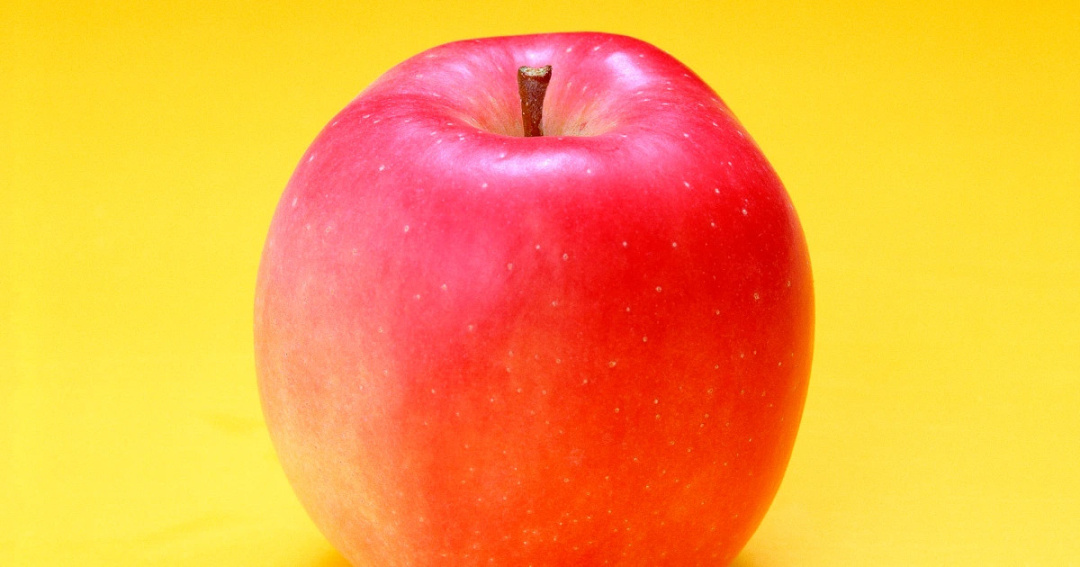
Apples also make the list, as their fiber and polyphenol compounds work synergistically with gut microbes to create a potentially cancer-reducing environment. Notably, apples have been linked to a lower risk of estrogen receptor-negative breast cancer. Kiwis, with their high vitamin C content, are praised for their ability to reduce DNA damage from oxidative stress and promote gut health, which may lower the risk of colorectal cancer.
Citrus fruits like oranges and grapefruits are noted for their protective effects against lung cancer and stomach cancer. Zinkin enjoys mangoes for their nutritional benefits and fiber content, as well as their delicious taste. Cherries, rich in antioxidants and melatonin, are also highlighted for their potential cancer-preventive properties. Watermelon, known for its lycopene content, has been associated with a lower risk of colorectal cancer.
Incorporating Fruits for a Healthier Future
Lastly, grapes are recognized for their proanthocyanidin compounds, which show promise against various cancer cells. Avocados are also beneficial, with studies indicating that their consumption is linked to a reduced risk of colorectal, lung, and bladder cancers, particularly in men. Zinkin advises that the most nutrient-dense part of the avocado is the dark green flesh closest to the skin, which is rich in anthocyanins.
In conclusion, while no single fruit can prevent cancer, incorporating a diverse array of these fruits into your diet can contribute to a healthier immune system and potentially lower cancer risk.