Gut Bacteria Influence Calorie Absorption from Food
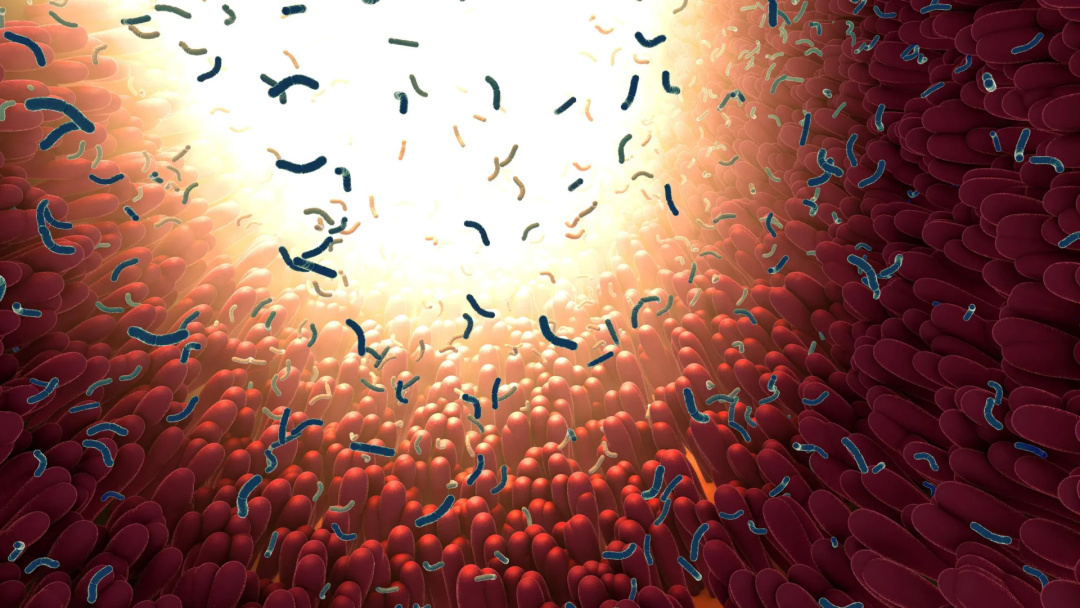
The calorie counts printed on food packages may not accurately reflect the energy we actually absorb from our meals. This discrepancy arises from the complex process of digestion, which involves not only the breakdown of food but also the activity of trillions of microorganisms residing in our digestive systems. Researchers at Arizona State University have developed a mathematical model called DAMM (digestion, absorption, and microbial metabolism) to explore this often-overlooked aspect of digestion. This model tracks the journey of food through the digestive tract, measuring how much energy is absorbed directly by the body and how gut microbes process the remaining material. By integrating the effects of diet, digestion, and gut bacteria, the researchers aim to enhance our understanding of obesity, diabetes, and other metabolic disorders. With further refinement, this model could assist healthcare professionals in creating personalized diets tailored to individual needs.
Professor Rosa Krajmalnik-Brown, director of ASU's Biodesign Center for Health Through Microbiomes, emphasizes the collaborative nature of digestion, stating, "Digestion is not just a human process -- it is a collaboration between our bodies and trillions of microbes living in the gut." The research team, which includes Professor Bruce Rittmann and graduate research assistant Taylor Davis, collaborated with scientists from the AdventHealth Translational Research Institute in Orlando, Florida. Their findings were published in the journal PLOS One.
Traditional methods for estimating calorie content, based on Atwater parameters, have been in use for over a century. This system assigns average calorie values to fats, carbohydrates, and proteins, calculating total energy availability. However, it fails to account for how different foods nourish gut bacteria and how these microorganisms transform undigested materials into usable energy. For instance, short-chain fatty acids, produced when gut microbes break down fiber, can enter the bloodstream and provide additional calories.
In a controlled study, healthy adults followed two distinct eating plans: one high in fiber and resistant starch, and another resembling a typical Western diet with lower fiber content. Participants consuming the Western diet absorbed about 116 more calories per day than those on the high-fiber plan, yet they did not report feeling hungrier. This suggests that the energy obtained from food is influenced by its composition and how it travels through the digestive system. The DAMM model quantitatively links human metabolism with microbial metabolism, providing insights into how gut bacteria contribute to energy balance.
Understanding the Role of Gut Microbes in Caloric Contribution
The model also estimates that short-chain fatty acids absorbed from the colon contribute approximately 140 calories daily, accounting for about 7.4% of the total energy derived from food. The researchers found that around 85% of usable energy comes from the upper gastrointestinal tract, while 15% is derived from the lower tract, where microbial activity plays a crucial role. This highlights the limitations of traditional calorie calculations, which often underestimate the energy available to the body due to microbial processes.
Implications of the DAMM Model for Future Nutritional Research
The DAMM model's ability to differentiate between dietary impacts is particularly noteworthy. The microbiome-enhancer diet, rich in fiber, provided more fermentable material for gut microbes, leading to increased short-chain fatty acid production. Despite this, participants on the high-fiber diet absorbed fewer net calories than those on the Western diet, illustrating the complex interplay between microbial activity and direct energy absorption from food.
As researchers continue to refine the DAMM model, it holds promise for improving our understanding of how diet influences metabolic health. While it currently serves as a research framework, future studies may validate its effectiveness across various populations and dietary patterns. The model is designed to evolve as new insights into the interactions between diet, metabolism, and gut microorganisms are discovered, potentially paving the way for more personalized nutrition strategies.