Peanuts vs. Pistachios: A Nutritional Comparison of Protein and Fiber
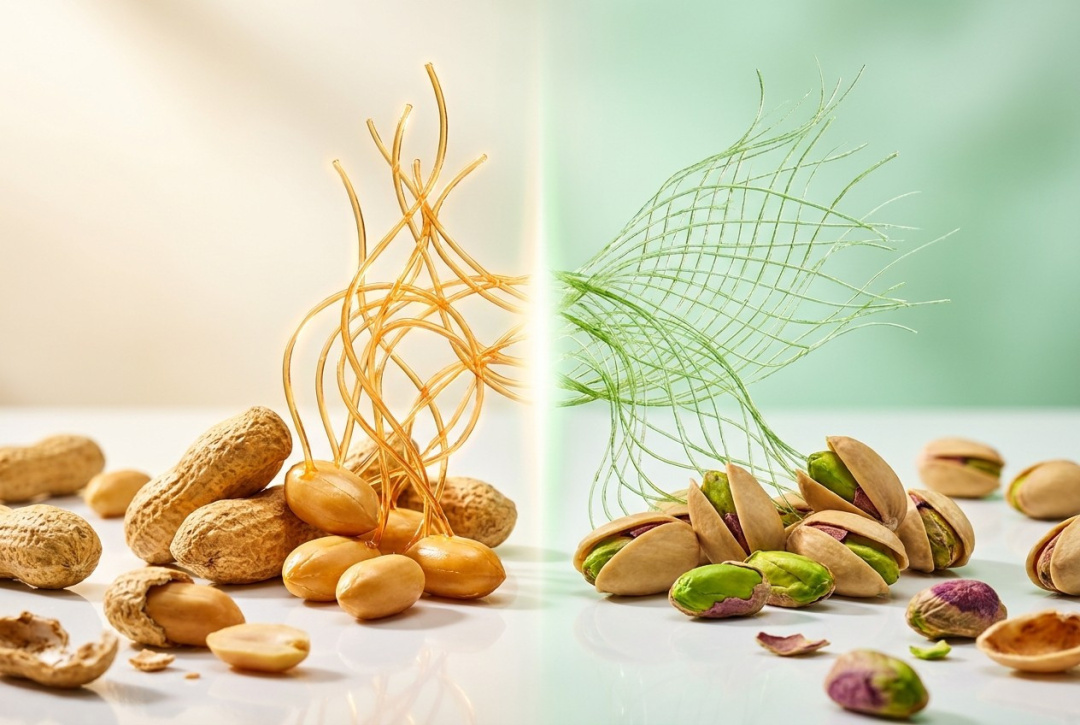
A recent analysis has shed light on the nutritional profiles of peanuts and pistachios, two popular snacks that are often compared for their health benefits. Registered dietitian nutritionist Molly Knudsen highlights that the choice between these two nuts often depends on individual dietary goals. Peanuts, although technically legumes, have a protein profile that rivals that of tree nuts such as almonds, cashews, and pistachios. This makes peanuts a strong contender for those looking to increase their protein intake.
On the other hand, pistachios offer a different advantage. While they may not have as much protein as peanuts, they provide a higher quality of protein, which is significant for individuals relying on a single snack to meet their amino acid needs. General nutrition references affirm that nuts are recognized as high-protein plant foods, and various compilations rank them by protein concentration per 100-gram serving. This information serves as a valuable resource for those seeking to boost their plant-based protein consumption.
The analysis reveals that peanuts lead in terms of protein quantity, while pistachios excel in fiber content. The fiber found in pistachios contributes to gut health by feeding beneficial bacteria and supporting regular digestion. Given that fiber intake is often lacking in typical diets, incorporating high-fiber nuts like pistachios can help bridge this gap. Clinical nutrition literature emphasizes the importance of fiber-rich whole foods, particularly for individuals recovering from health issues that affect bowel function.
The fiber difference between peanuts and pistachios is modest, suggesting that both can be beneficial when included in a balanced diet. For consumers monitoring their overall fiber intake, it is advisable to rotate both nuts into meals and snacks rather than choosing one over the other. Each nut also differs in micronutrient content, adding to their unique health benefits. The healthiest way to consume nuts is in their whole form, without added salt or sugar.
Exploring the Cardiovascular Benefits of Pistachios
Pistachios are also noted for their potential cardiovascular benefits. A study involving over 143,000 adults found a correlation between nut consumption and lower instances of hypertension, although the researchers caution that these observational findings do not establish a direct cause-and-effect relationship.
Balancing Nutritional Choices: Peanuts and Pistachios in Your Diet
When it comes to storage and preparation, the way consumers handle these nuts can affect their nutritional value. Both peanuts and pistachios should be stored properly to maintain their nutrient profiles. Dietitians recommend that consumers consider their personal dietary needs when choosing between these two nuts, as the differences in nutrition are small enough that individual preferences and health goals should guide their choice.
Ultimately, the evidence supports the idea of including both peanuts and pistachios in a healthy diet. By doing so, individuals can enjoy the benefits of both protein and fiber while also diversifying their nutrient intake. For those comparing the nutritional labels of peanuts and pistachios, it is essential to consider factors such as protein, fiber, sodium, and added sugars, especially when purchasing in-shell pistachios, as the serving size refers only to the edible portion of the nut.