Five Foods to Boost Brain Health During Exam Time

Your brain plays a crucial role in regulating your appetite and how you respond to food. Conversely, what you eat can directly influence your brain's function, especially during exam periods when optimal performance is essential. To help students excel, it’s important to focus on nutritious foods that can enhance cognitive abilities and overall well-being.
Research indicates that teenagers who regularly consume breakfast tend to perform better academically than those who skip it. However, the quality of breakfast is equally important. A balanced meal might include two scrambled eggs on wholegrain toast with avocado or yogurt topped with sliced banana and a quarter cup of untoasted muesli and nuts.
During long study sessions, your brain requires energy, much like your muscles do during physical activity. Regular snacks, such as a handful of nuts, an apple, or rice crackers with hummus, can help maintain energy levels. Hunger can negatively affect mood, leading to feelings of irritability, while being overly full can hinder concentration. Therefore, it’s best to aim for a state of comfortable satisfaction, avoiding both hunger and excessive fullness. Taking breaks to eat mindfully and listening to your body’s signals can help you recognize when you’re satisfied.
Stress and nerves can upset your stomach, making it tempting to skip meals. Instead, try to consume foods you enjoy in smaller portions. Avoid trying new foods during this time, as they might cause discomfort. Long-term healthy eating habits are more beneficial for academic performance than any single meal. However, certain foods are particularly advantageous for brain health, aiding in concentration and memory retention.
Salmon is an excellent choice, as it is rich in omega-3 fatty acids, which are vital for brain health. Regular consumption of omega-3s can help stabilize mood and alleviate anxiety. Aim for a palm-sized serving of salmon two to three times a week. Leafy greens like spinach, kale, and chard are also beneficial, packed with antioxidants and fiber. One study suggested that consuming half a cup of raw spinach daily could improve cognitive performance in late teenage boys.
Exploring Brain-Boosting Foods for Enhanced Cognitive Function
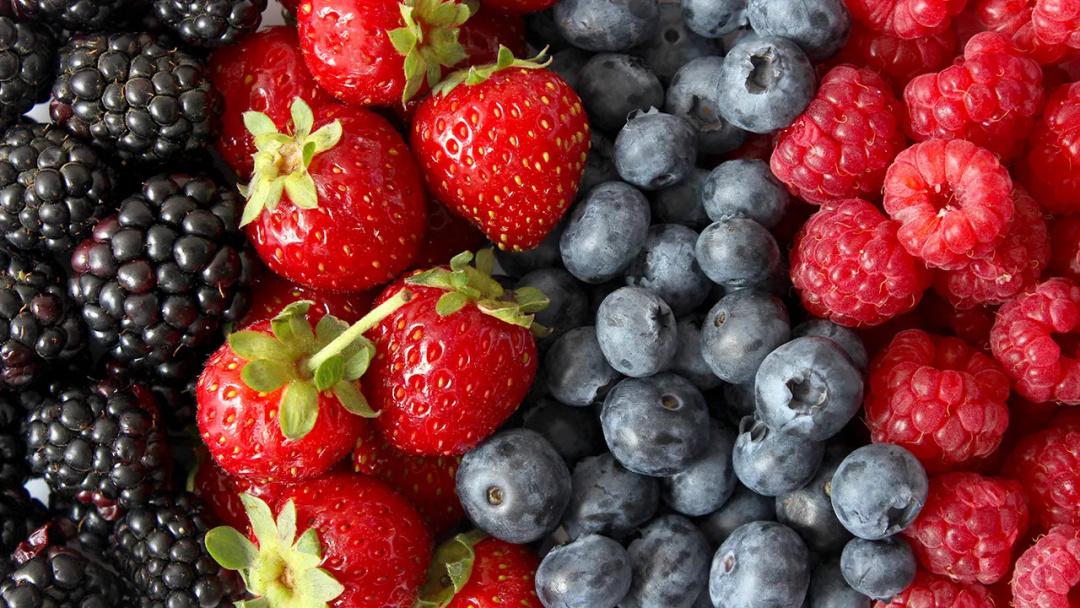
Blueberries are another brain-boosting option, containing polyphenols linked to enhanced cognitive function. A small study found that children who consumed the equivalent of one and a half cups of fresh blueberries showed improved memory recall and reaction times shortly after eating. Walnuts, high in alpha-linolenic acid, are easy to incorporate into meals or snacks. A study indicated that teens who ate a handful of walnuts daily for six months exhibited better attention spans.
Lastly, eggs are a powerhouse of nutrients, particularly choline, which supports executive functions like problem-solving and emotional regulation. Choline is absorbed into the bloodstream within hours of eating eggs, making them a quick brain food.
Balancing Nutrition and Lifestyle for Optimal Exam Performance
While food is a key component of maintaining brain health, other factors are also crucial. Ensuring adequate sleep—at least eight to ten hours for teenagers—is essential for memory recall and stress management. Relying on energy drinks to stay awake is not a substitute for sleep. Additionally, smoking and vaping can impair memory, while alcohol consumption can hinder the growth of new brain cells. Therefore, these substances should be avoided, especially during exam periods.
Listening to your body during study sessions is vital. Are you hungry or thirsty? Do you need a break to stretch? Just as good eating habits are important, developing effective study routines can help your brain function optimally during exams, maximizing your efforts and preparation. Best of luck with your studies!