Study Links Hypertension to Subclinical Atherosclerosis in Asymptomatic Individuals
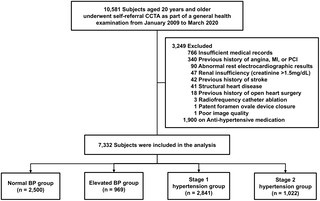
A study published in PLOS One has investigated the association between hypertension and subclinical coronary atherosclerosis in a large cohort of asymptomatic individuals. The research analyzed data from 7,332 participants, with a mean age of 52.8 years, who underwent coronary computed tomography angiography (CCTA) as part of routine health examinations. The participants were categorized based on the American College of Cardiology/American Heart Association 2025 guidelines into four groups: normal blood pressure, elevated blood pressure, stage 1 hypertension, and stage 2 hypertension. The findings revealed that individuals with stage 1 hypertension had a 33.5% higher odds of having non-obstructive coronary artery disease (CAD), while those with stage 2 hypertension showed a 48.3% increased risk of non-obstructive CAD and a 69.6% increased risk of obstructive CAD. These results underscore the critical need for early recognition of elevated blood pressure and cardiovascular risk assessment in asymptomatic individuals. The study's authors emphasize that subclinical atherosclerosis is prevalent among those with traditional cardiovascular risk factors, making its identification essential for improving risk stratification and guiding early intervention. The study was conducted at Ulsan University Hospital in South Korea, where participants voluntarily underwent CCTA during health check-ups. The research highlights the importance of routine health screenings in detecting early signs of cardiovascular disease and the need for effective management of hypertension to prevent future cardiovascular events. This study adds to the growing body of evidence linking hypertension with increased cardiovascular risk, reinforcing the significance of maintaining healthy blood pressure levels as a modifiable risk factor for heart disease.