Research Initiative Seeks 250,000 Volunteers for Bowel Cancer Diet Study
A significant new research initiative, known as the Prospect-UK trial, is being launched to address the concerning rise in bowel cancer cases among younger adults in Britain. This ambitious study aims to recruit a staggering quarter of a million participants nationwide to help uncover the factors driving this troubling trend.
Researchers from King's College London have partnered with the health science company Zoe to investigate the reasons behind the increase in bowel cancer cases among individuals under the age of 50. Notably, the UK is among the countries experiencing the fastest acceleration in early-onset bowel cancer globally.
Participants in the study will be asked to complete digital questionnaires that cover various aspects of their eating habits, daily routines, environmental exposures, and overall wellbeing. A subset of these participants will also be required to maintain detailed food journals and provide biological samples, including blood and stool, for further analysis.
Historically, bowel cancer has primarily affected older individuals, but since 1990, rates have increased significantly worldwide. According to data from Cancer Research UK, approximately 48,200 individuals are diagnosed with bowel cancer each year in the UK, with around 2,900 cases occurring in the 25 to 49 age group. This data illustrates a marked escalation in incidence, with overall cancer rates among the 25- to 49-year-old population climbing by 24 percent between the early 1990s and 2019.
Excess weight has been identified as a potential contributing factor to this rise, yet the exact causes behind the alarming upward trend remain unclear. The research team emphasizes that while early-onset bowel cancer cases are increasing, the disease is still relatively uncommon among those under 50, necessitating a large number of participants to yield meaningful findings.
Urgent Call for Data on Bowel Cancer Risk Factors
Professor Sarah Berry, the chief investigator for the trial and a professor of nutritional sciences at King's College London, has highlighted the urgent need for comprehensive data collection. "We urgently need large-scale, long-term data to uncover the true causes of early-onset bowel cancer," she stated. Professor Berry pointed out the dramatic lifestyle, dietary, and environmental changes that have occurred over recent generations.
"Over just a few generations, our lifestyles, diets, and environments have changed dramatically," she noted. However, significant knowledge gaps remain regarding which specific factors pose the greatest risk. "But we don't know which of these changes are increasing people's risk of bowel cancer or which ones could help reduce it," she added.
Participants will also be asked to allow researchers to match their submitted information with electronic medical records, enabling scientists to establish connections between specific behaviors and the development of cancer. Dr. Rosiered-Brownson Smith, a study research associate at King's College London, emphasized the growing complexity of Britain's nutritional landscape as a critical area of investigation. "Our food environment has become increasingly complex, and this means we need to look at diet in much greater detail," she explained.
Understanding the Impact of Processed Foods on Health
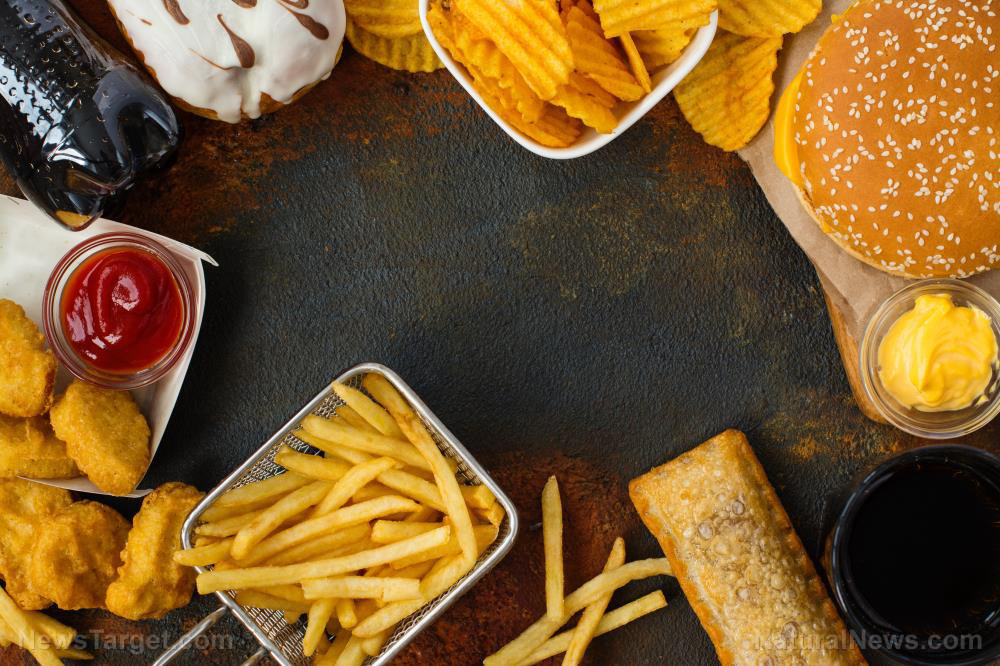
The study will focus on the fact that highly processed foods now account for approximately 60 percent of the average caloric intake among UK adults. "In the UK, around 60 percent of our calorie intake comes from highly processed foods, but these foods are not all the same," Dr. Smith noted. "They can differ substantially in their ingredients, processing methods, and nutritional composition, even within the same food category."
This trial marks the first time researchers will gather specific brand-level details about the products consumed by participants. "By combining detailed dietary information with long-term health data, we hope Prospect-UK will help us better understand the complex relationship between what we eat and our risk of disease," she concluded.