Cinnamomum verum and Laurus nobilis Extracts for Antioxidant and Anticoccidial Use
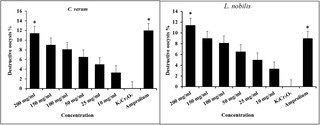
Recent research published in PLoS One has explored the phytochemical and biological properties of methanolic extracts from Cinnamomum verum (cinnamon) and Laurus nobilis (bay laurel), particularly their potential antioxidant and anticoccidial activities against Eimeria columbae oocysts. The study highlights the increasing interest in natural plant products for disease prevention, attributed to their lower cost and reduced side effects compared to synthetic drugs. The authors, Murshed et al., conducted a thorough evaluation of the extracts, measuring total phenolic, flavonoid, and tannin content using standard spectrophotometric methods. Fourier transform infrared spectroscopy (FTIR) was employed to characterize the phytochemical properties of the extracts. Antioxidant activity was assessed using both DPPH and ABTS free radical scavenging assays, revealing strong antioxidant potential in both extracts. Additionally, the study examined the in vitro anticoccidial activity of the extracts at various concentrations over time, demonstrating significant inhibition of E. columbae sporulated oocysts, with C. verum showing a 75.67% inhibition rate at the highest concentration after 96 hours. The research indicates that both C. verum and L. nobilis contain bioactive phytochemicals that could inhibit coccidia oocysts in vitro, suggesting their potential as effective and safe natural options for managing coccidiosis in domestic pigeons. This study is particularly noteworthy as it is the first to compare these two plant species under the same experimental conditions for both antioxidant and anticoccidial evaluation, providing a clearer basis for their application in poultry health management. The findings contribute to the ongoing exploration of herbal products in modern pharmacological research, emphasizing their role in mitigating oxidative stress and enhancing health outcomes in animals. The authors have declared no competing interests, and the study received no specific funding. The research underscores the importance of further investigation into the therapeutic applications of these herbal extracts, particularly in the context of poultry health and disease management.