San Francisco Mayor Blocks Proposal to Tax Vacant Grocery Stores
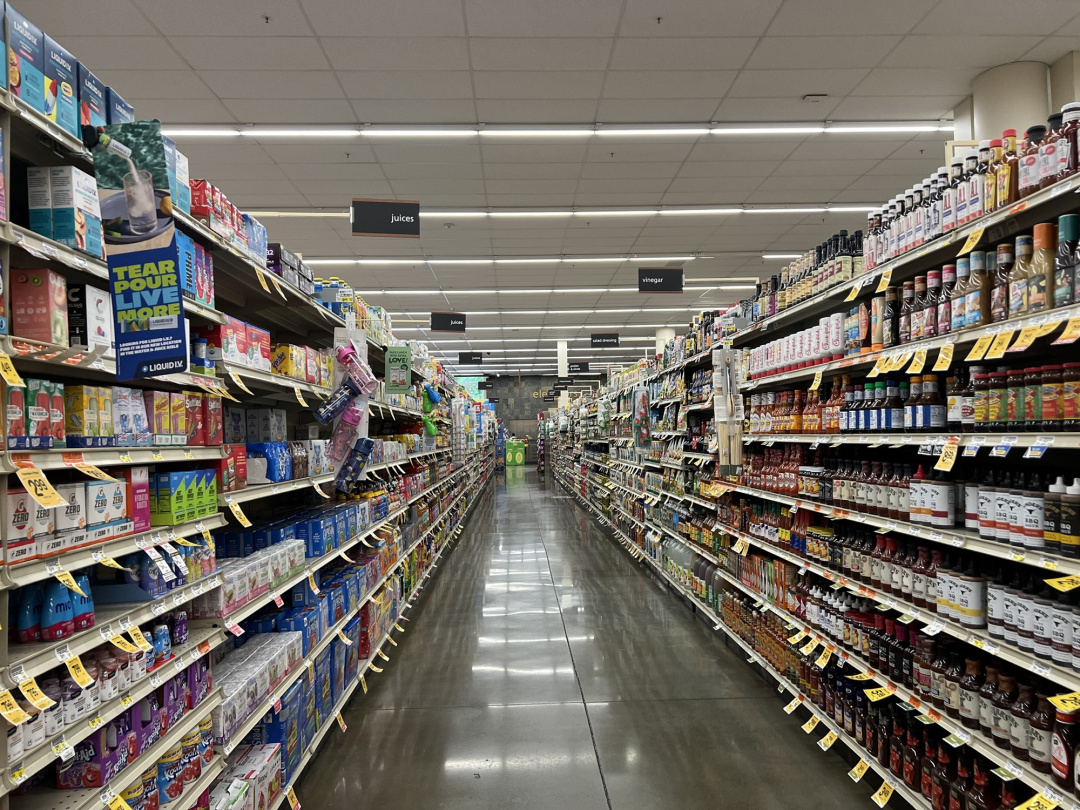
San Francisco Mayor Daniel Lurie has taken a stand against the Affordable Groceries Act, a proposal designed to tax vacant grocery stores and pharmacies in order to deter companies from leaving storefronts empty and to establish a fund aimed at subsidizing groceries. This initiative was introduced following the closure of numerous retail pharmacies and grocery chains in the city, including major names like Walgreens and Safeway. Supervisor Bilal Mahmood, who sponsored the legislation, expressed concerns that the Lurie administration's opposition stems from philosophical objections to corporate taxes. He noted that the administration's decision to actively oppose the proposal was unexpected and suggested it was influenced by lobbying efforts from Amazon, which owns Whole Foods Market. Mahmood claimed that Amazon lobbyists had requested an exemption for their shuttered Whole Foods location on Market Street and threatened to campaign against the proposal if their request was denied. "They said, if you do this, we will campaign against it," Mahmood recounted, highlighting the intense lobbying efforts that have taken place at City Hall. The opposition to the Affordable Groceries Act comes in the wake of Proposition D, known as the Overpaid CEO Tax, which sought to tax large corporations to address budget shortfalls in the city. This proposition faced significant financial opposition from various groups, including tech leaders, and ultimately did not pass. The ongoing closure of grocery stores and pharmacies has exacerbated affordability challenges for many San Franciscans. A report from the city’s Food Security Task Force indicated that nearly one-third of residents living below the poverty line are food insecure, with about 110,000 individuals relying on CalFresh, a food benefits program that has become more difficult to access due to recent federal changes. In response to the proposal, Mayor Lurie’s spokesperson stated that the administration is focused on bringing grocery stores to underserved communities in San Francisco and believes that increasing taxes will not help achieve that goal. They expressed support for the Affordable Grocery Fund but emphasized the need for collaboration with Mahmood and the Board of Supervisors to improve grocery access in the city. The taxes that would have been collected from the vacant storefronts could have contributed to the new grocery fund, which was intended to support various affordability programs centered on healthy food access. Mahmood indicated that Lurie had urged Supervisor Connie Chan to remove the proposal from the upcoming Budget and Finance Committee agenda, effectively diminishing its chances of appearing on the ballot this November. Chan's office acknowledged the intent behind Mahmood's legislation but stated that further work was needed before it could be presented to the board or voters. Despite the setbacks, Mahmood remains hopeful that a last-minute intervention by Board President Rafael Mandelman could allow the proposal to move forward for a vote. He emphasized the importance of public input in the legislative process, stating, "When a proposal to make groceries more affordable gets pulled from the agenda before the public even gets to weigh in, that’s a problem no matter who asked for it."