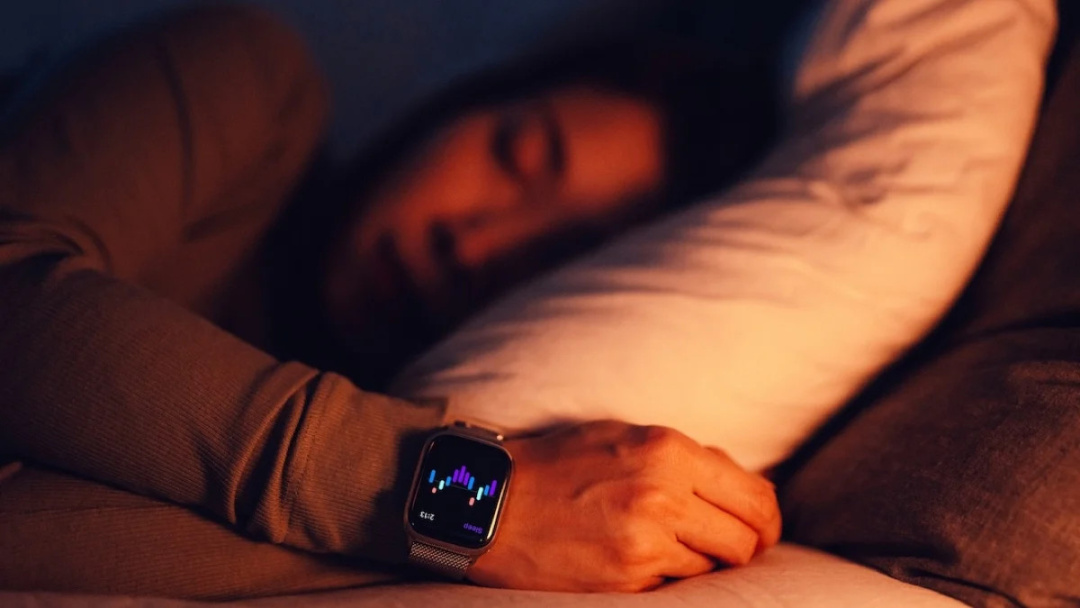
New Research Reveals Limitations of Sleep Trackers in Measuring Sleep Quality
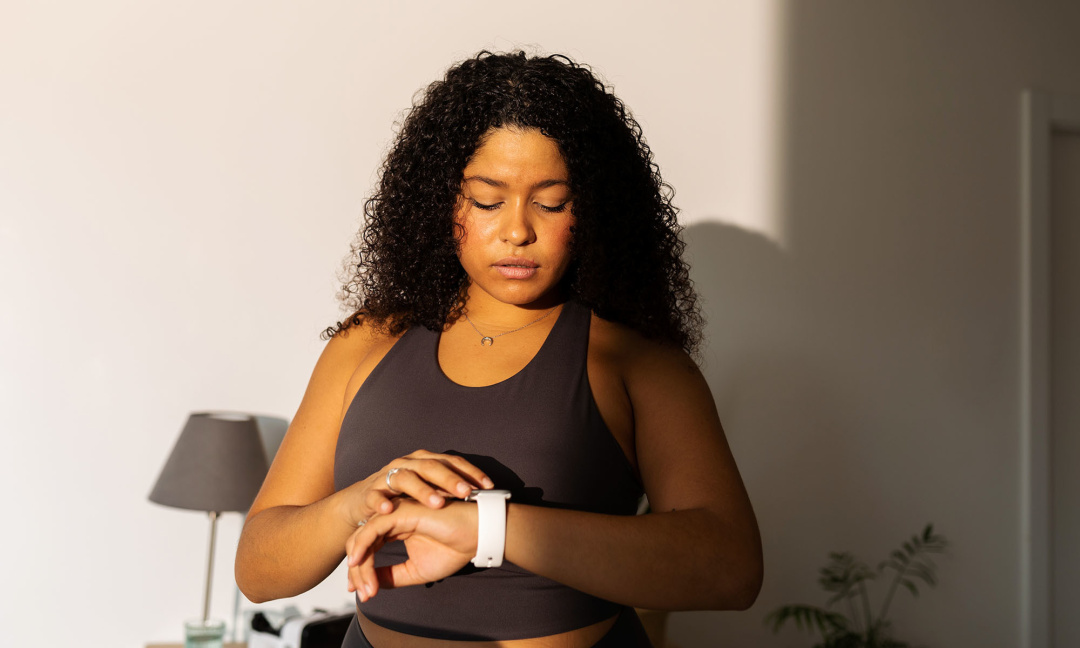
Sleep trackers have become a nightly ritual for many, quietly logging every toss, turn, and moment of stillness. According to the American Academy of Sleep Medicine, nearly half of American adults have used some kind of sleep-tracking device. However, new research suggests that the data from these devices might present an overly optimistic view of actual sleep quality.
In a study involving 107 patients at a sleep clinic, participants wore a MotionWatch 8 actigraphy device, a research-grade sleep tracker, while also undergoing polysomnography, which is considered the gold standard for sleep measurement. This method tracks brain waves, breathing, and eye movements to accurately determine sleep states.
The findings revealed a strong correlation between the two methods regarding total sleep time, indicating that the tracker’s overall estimates were fairly accurate. However, when it came to more nuanced measures, such as fragmented sleep or restlessness, the correlation weakened significantly. On average, trackers overestimated total sleep time by 27 minutes and sleep efficiency by about 6%, while underestimating time spent awake by approximately 15 minutes.
This research indicates that while sleep trackers can provide a general overview of sleep patterns, they struggle with the finer details of sleep quality. The accuracy of these devices varied among participants, with age being a significant factor. Older participants tended to experience a greater discrepancy between the tracker results and the clinical data. Additionally, conditions like periodic limb movements, which involve involuntary leg movements during sleep, also influenced the accuracy of the readings.
Influence of Sleep Environment on Tracker Accuracy
The environment in which one sleeps also affected the results. The same device yielded different outcomes depending on whether the participant was in the controlled setting of a sleep lab or the comfort of their own bed. This suggests that factors beyond the device’s capabilities, such as the familiarity of the sleeping environment, can impact sleep scores.
It is important to note that the study participants were already being evaluated for potential sleep issues, which means the results may not be fully representative of healthy sleepers without sleep concerns. Therefore, while many of us check our sleep scores each morning, it’s crucial to recognize that these numbers might be skewed toward the optimistic side, particularly regarding how much time was spent awake versus asleep.
Understanding Your Sleep Tracker's Limitations
This doesn’t mean one should abandon their sleep tracker. Instead, it serves as a reminder to approach sleep data with a critical eye. Rather than treating sleep scores as definitive indicators of sleep quality, they can be used as helpful tools to identify trends over time and encourage better sleep habits.
The study emphasizes that sleep trackers are not deceiving users; rather, they are working within their limitations. Users should be aware that these devices may not accurately reflect the complexities of their sleep cycles. If you have been relying heavily on your sleep score, it may be time to reassess its significance in your overall sleep management strategy. Instead of viewing it as a diagnostic tool, consider using the data as a guide to foster better sleep practices and monitor changes over time.