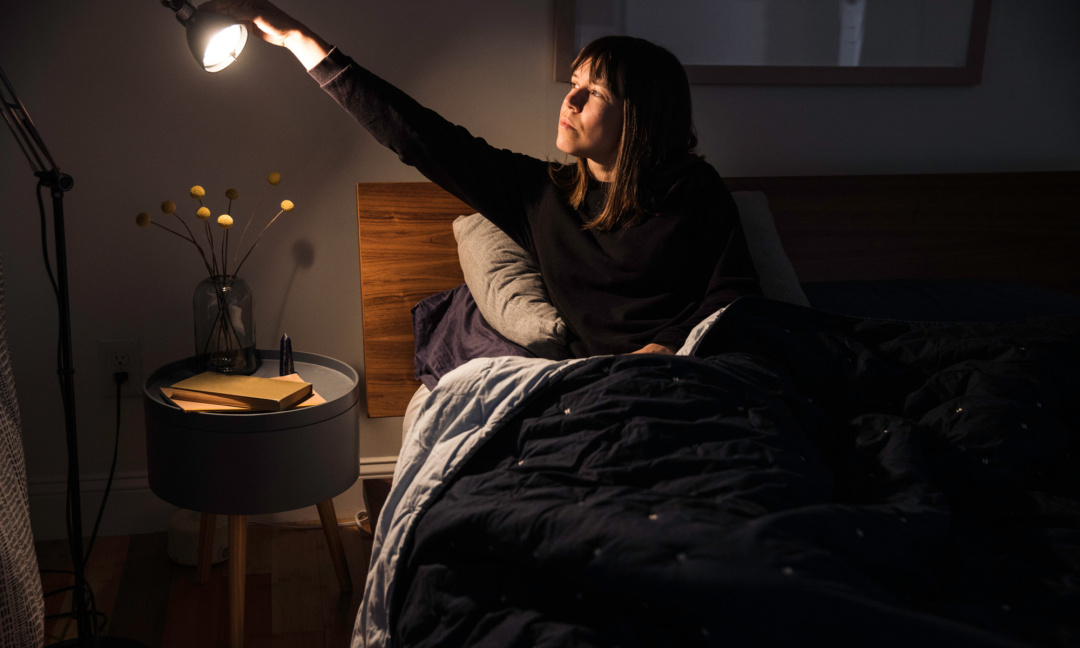
Expert Tips for Eating Late Without Sacrificing Sleep Quality
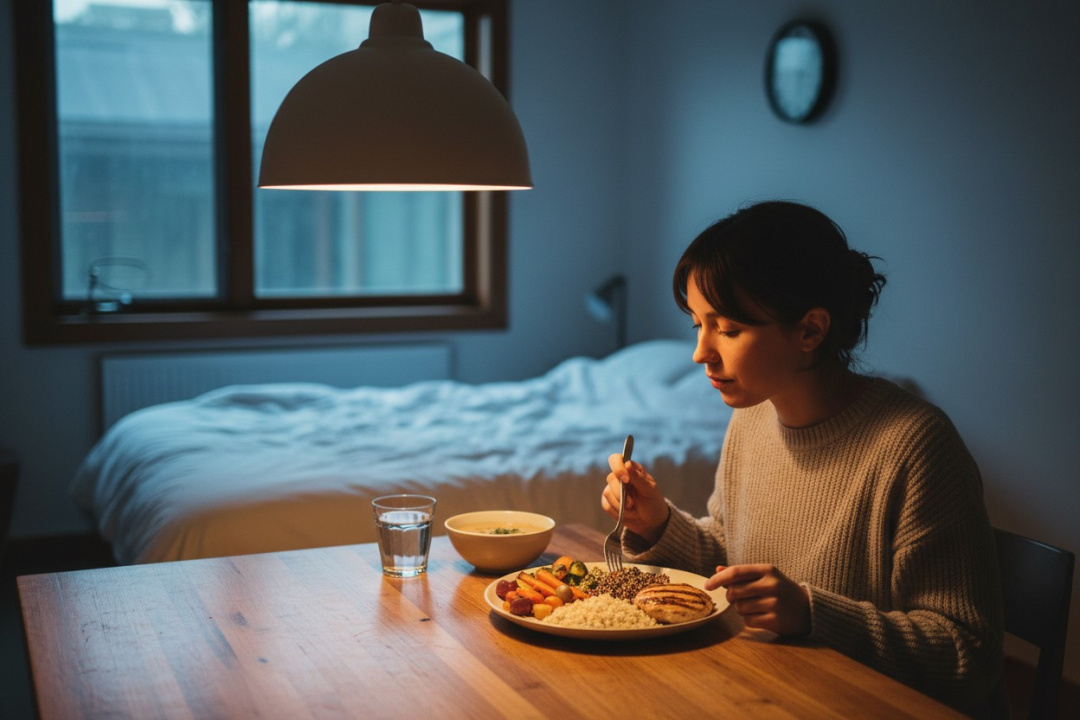
Todd Anderson, a former NFL athlete, emphasizes the critical role of sleep in overall health, linking it to cardiovascular well-being, muscle recovery, and mental clarity. He acknowledges that while the common advice to avoid eating within three hours of bedtime is beneficial, it is not always practical for those with active social lives. Instead, he offers a framework for enjoying late dinners while still protecting sleep quality.
Eating right before bed can disrupt sleep by keeping the body in a digestive state, potentially leading to gastrointestinal discomfort, heartburn, and reflux. Anderson points out that high-glycemic foods, such as white bread, pasta, and sugary desserts, can cause blood sugar spikes followed by crashes, which may result in early-morning awakenings. To mitigate these effects, he recommends finishing the last meal at least three hours before bedtime, allowing for proper digestion and blood sugar stabilization.
Moreover, poor gut health can interfere with the production of serotonin and melatonin, both of which are essential for quality sleep. Anderson highlights the importance of choosing low-glycemic foods when late-night eating is unavoidable. High-fiber vegetables, whole grains, protein, and healthy fats can help maintain stable blood sugar levels and promote better sleep. This advice is supported by research indicating that protein-rich meals before bed may enhance sleep quality. For instance, a study published in the International Journal of Environmental Research and Public Health found that night-shift nurses who consumed high-protein meals reported improved sleep duration and efficiency.
Mindset also plays a significant role in managing late meals. Anderson encourages individuals not to let health rules spoil social occasions. Instead, he advises making the best food choices available and enjoying the moment. For those traveling or dining out, he suggests using portable sleep aids, such as eye masks or calming pillow sprays, to signal the body that it is time to rest after a late meal.
Research Highlights on Timing and Sleep Quality
Research from Northwestern University indicates that stopping food intake at least three hours before bedtime and dimming lights can improve cardiovascular and metabolic health without requiring calorie restriction. Additionally, Natalie Pennicotte-Collier's book, Sleep Reset, cites studies showing that greater microbiome diversity is associated with longer sleep times and improved sleep efficiency.
Balancing Late Meals with Sleep Health
Anderson's approach combines scientific reasoning with realistic expectations. He advises adhering to the three-hour rule whenever possible but emphasizes that occasional late dinners should not cause undue stress. Key priorities include consuming low-glycemic, fiber-rich foods along with protein and healthy fats, while also focusing on mental relaxation in addition to physical preparation for sleep.
By following these guidelines, individuals can enjoy their social lives without compromising sleep quality. Anderson's insights serve as a reminder that balance is achievable, allowing for both health and social engagement.