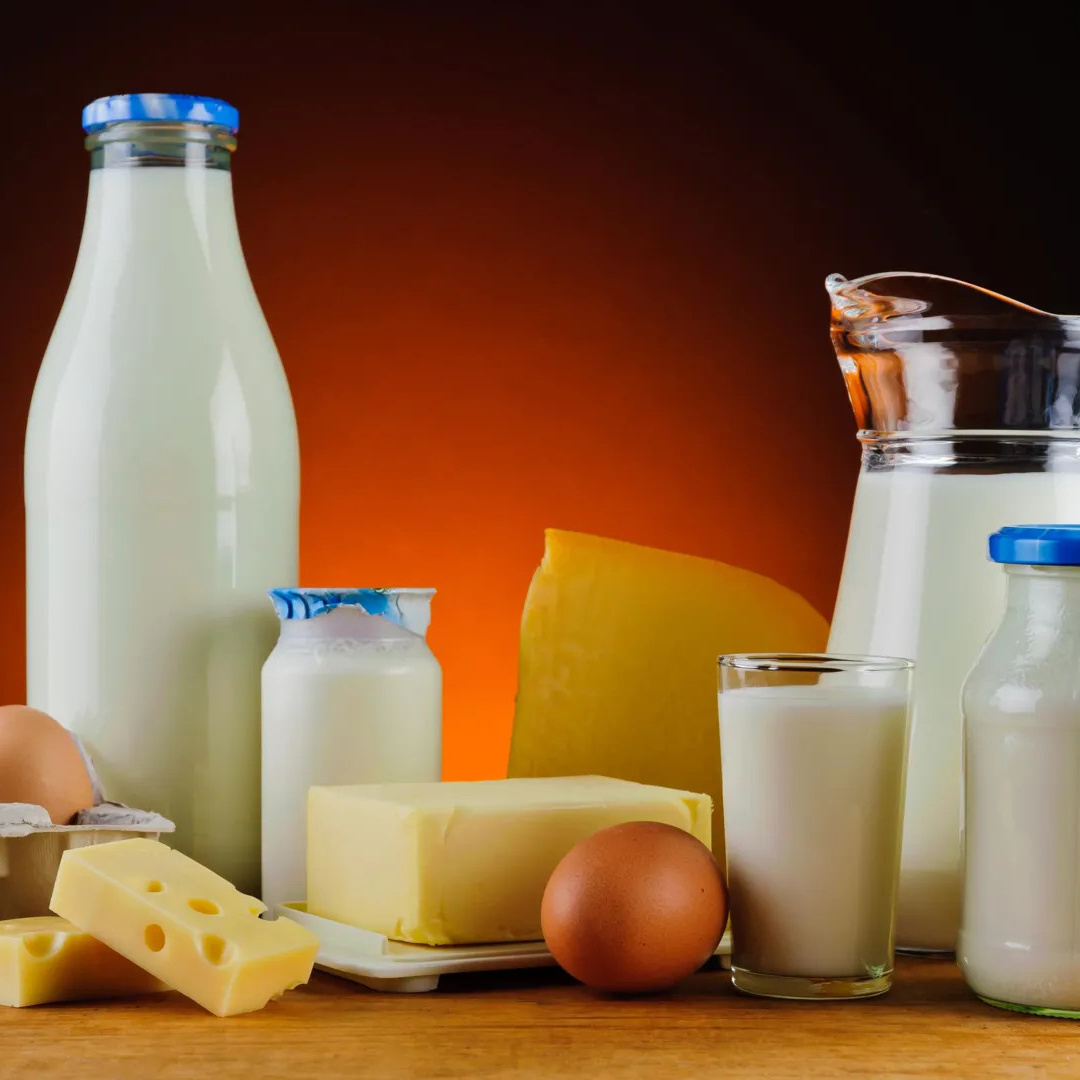
Dietary Guidelines Now Endorse Full-Fat Dairy as a Healthy Fat Source
For many years, Americans were advised to choose skim milk over full-fat options. However, in a significant shift, the 2025-2030 Dietary Guidelines for Americans, released on January 7, now include full-fat dairy among whole foods that provide healthy fats. This marks a departure from previous guidelines that exclusively recommended fat-free and low-fat dairy products. The change is based on accumulating evidence that the earlier recommendations, which stemmed from assumptions made in the 1960s about saturated fat, were not adequately tested against the benefits of full-fat alternatives.
Despite this endorsement, the guidelines still advise that saturated fat intake should remain below 10 percent of total daily calories, which translates to about 22 grams on a 2,000-calorie diet. For context, three cups of whole milk contain approximately 14 grams of saturated fat. Benoît Lamarche, the scientific director of the NUTRISS Centre at Université Laval's Institute of Nutrition and Functional Foods, argues that the old advice was not harmful but rather that the comparisons between low-fat and full-fat dairy were never sufficiently rigorous.
Few studies have directly compared the health impacts of full-fat versus low-fat dairy, and those that have often show similar health outcomes regardless of fat content. The challenge lies in conducting long-term trials that can definitively measure heart disease outcomes, as such studies would require thousands of participants followed over many years. The federal advisory committee has rated the existing evidence as limited, with the American Heart Association noting that the data is insufficient to make firm conclusions about blood lipids, blood pressure, or cardiovascular mortality.
In January, researchers from the University of Toronto published a 12-week trial in The Journal of Nutrition, which investigated the effects of consuming three daily servings of full-fat dairy. The study found no significant increase in body weight, body fat, or blood cholesterol levels among participants who consumed full-fat dairy compared to those who consumed less. Interestingly, blood pressure showed improvement in the full-fat group. However, it is important to note that this trial involved only 74 overweight adults, and while it rules out immediate harm, it does not provide insight into long-term health effects.
Understanding the Dairy Matrix and Its Impact on Health
The concept driving this new perspective on dairy is known as the "dairy matrix," which posits that the fat in whole foods behaves differently than isolated fats. While it is established that saturated fat can raise LDL cholesterol, contributing to artery plaque, the debate continues over whether saturated fat in whole foods impacts health differently than when consumed in isolation. The most compelling comparisons have been made between cheese and butter, with studies indicating that cheese tends to produce lower LDL cholesterol levels than butter when matched for saturated fat content. Emma Feeney, an assistant professor at University College Dublin's Institute of Food and Health, suggests that the calcium in cheese may inhibit fat absorption in the gut, and that cheese retains more of the milk fat globule membrane, which could also play a role in its health effects.
Navigating the Complexities of Dairy Fat Recommendations
Despite the welcoming of butter back into dietary recommendations, the guidelines maintain a cap on saturated fat intake, a threshold that has not been clearly justified. Lamarche points out that the 10 percent limit appears arbitrary, lacking a solid scientific basis. An international expert panel convened in Amsterdam in 2024 concluded that milk, yogurt, and cheese are neutrally associated with cardiovascular risk, regardless of fat content. While this evidence suggests that dairy fat is not uniquely harmful, it does not imply that it is necessarily beneficial either. Feeney cautions against interpreting this research as evidence that butter is a healthier cooking fat than others.
The ongoing uncertainty lies in whether the dairy matrix effect holds true over the long term and whether it applies to butter as well. The necessary long-term trials to address these questions have yet to be conducted, leaving room for further exploration in the relationship between dairy fat and health outcomes.