Impact of Food Processing on Metabolism and Brain Activity
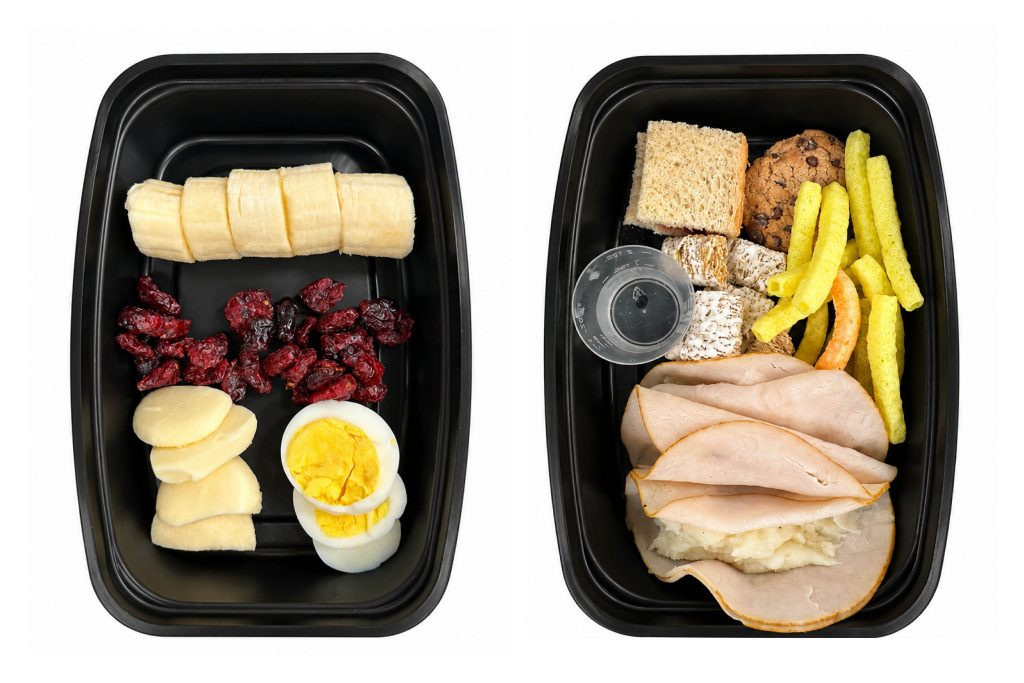
Researchers at Virginia Tech’s Fralin Biomedical Research Institute have uncovered surprising findings regarding the influence of food processing on metabolism and brain activity. In a study involving healthy adults, meals that were nutritionally matched in calories, carbohydrates, fats, proteins, water, salt, and weight but differed in their level of processing produced distinct metabolic responses. This challenges the common assumption that meals with the same nutritional profile will have the same impact on blood sugar levels.
The study, led by neuroscientist Alex DiFeliceantonio and researcher Zach Hutelin, found that ultraprocessed meals prompted the body to release more insulin and expend more energy while burning fewer carbohydrates for fuel. Additionally, these meals elicited different responses in the brain's reward system, suggesting that food processing may influence how our bodies and brains react to food in ways that extend beyond mere macronutrient content.
Ultraprocessed foods account for more than half of the daily caloric intake for the average American and are increasingly common in diets worldwide. These foods are designed to be convenient, accessible, and highly palatable, which can lead to overeating. DiFeliceantonio pointed out that individuals consuming high amounts of ultraprocessed foods tend to experience poorer health outcomes, including obesity, cardiovascular issues, Type 2 diabetes, and even mental health concerns.
While the link between highly processed foods and health issues is well-documented, the mechanisms behind these associations remain less understood. The researchers sought to determine whether the processing of food itself could lead to different health outcomes, even when controlling for nutritional content. This involved a study where participants consumed both minimally and highly processed meals, allowing for a direct comparison of their metabolic responses.
Each participant ate both types of meals in separate sessions, with a minimum of three days between each meal. The meals were carefully selected to match within 1 percent of their nutritional content. For example, the highly processed meal included a peanut butter and jelly sandwich, deli turkey, veggie chips, a cookie, cereal, and instant mashed potatoes, while the minimally processed meal consisted of a sliced banana, dried cranberries, cheese, and an egg.
Examining Metabolic Responses to Different Meal Types
After fasting overnight, participants were monitored in a metabolic chamber to measure energy expenditure and metabolism. Blood samples were taken before and after the meals to evaluate insulin response and other metabolic metrics. The results were striking; every metabolic measurement differed significantly between the two meal types. Notably, the ultraprocessed meal resulted in a higher insulin response and prolonged elevated blood sugar levels, which is a risk factor for diabetes.
To further explore the connection between food processing and brain activity, participants underwent functional MRI scans while viewing images of the meals they had consumed. The scans revealed that the brain's response to food cues was linked to the metabolic differences observed after eating. This suggests that the way our brains respond to food may be influenced by the processing level of the food itself.
Insights into Food Processing and Health Implications
The study's findings, published in Nature Metabolism, provide a novel insight into the complex relationship between food processing, metabolism, and brain activity. DiFeliceantonio expressed interest in further research to examine different populations, longer study durations, and the impact of specific processing techniques on metabolic outcomes.
As the prevalence of ultraprocessed foods continues to rise, understanding their effects on health becomes increasingly important. This research opens new avenues for exploring how food processing can influence not just our nutrition but also our overall well-being and health outcomes.