Finland's Grocery Prices Expected to Rise Amid Economic Challenges
Consumers in Finland should prepare for a tighter budget as grocery prices are projected to rise over the next two years. According to Pellervo Economic Research (PTT), the price of a typical grocery basket is expected to increase by 1.5 percent in 2026 and by 2.5 percent in 2027. This forecast highlights the economic pressures that are likely to affect household spending on food.
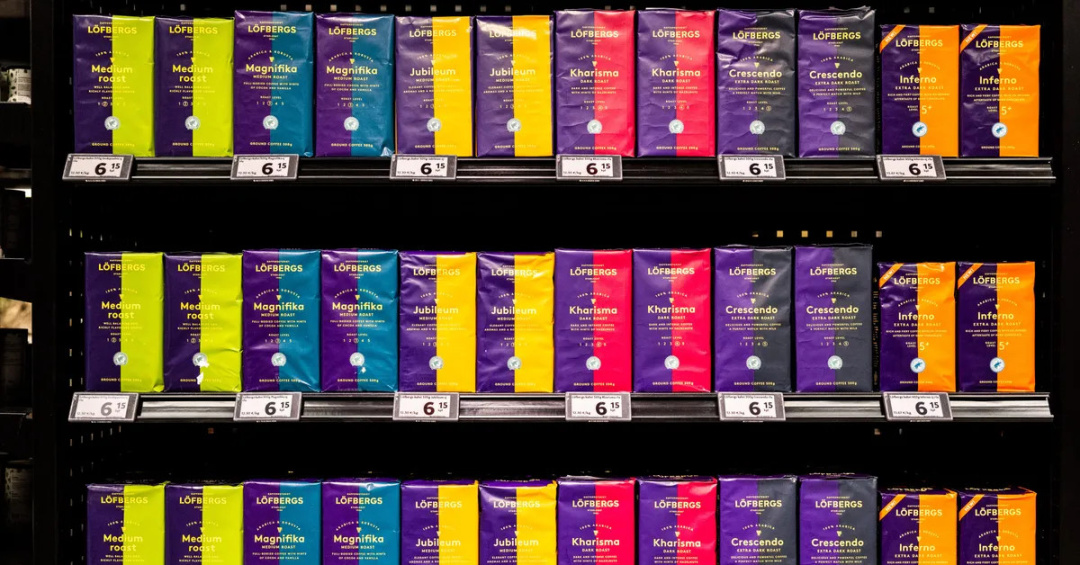
One of the significant contributors to the anticipated rise in prices is the El Niño weather phenomenon, which poses a threat to coffee harvests in regions such as Africa and South America. PTT's senior agricultural economist, Päivi Kujala, explained that while there is no immediate pressure to increase coffee prices this year, concerns loom for the following year. If drought conditions impact harvest yields, consumers could see higher coffee prices.
Historically, coffee prices in Finland have been on an upward trend, with a notable peak in 2025 when prices surged nearly 30 percent compared to the previous year. However, Kujala reassured that significant hikes are not expected in the near term, although prices may slightly exceed current levels.
In addition to coffee, beef prices are also a concern for Finnish consumers. The PTT forecast suggests that while beef prices will remain high, they are not expected to increase further. This stability in beef pricing has led many shoppers to opt for chicken and pork instead, a trend that is likely to persist as consumers adjust their purchasing habits in response to economic conditions.
Economic Pressures Affecting Beef Pricing
The high costs associated with beef have prompted discussions about raising producer prices to offset increased production expenses. However, PTT forecasts that both producer and consumer prices for beef will stabilize at their current levels for the foreseeable future.
Moreover, the report indicates that external factors, such as the ongoing conflict in the Middle East, are influencing food prices in Finland. This geopolitical situation has resulted in increased energy and fertilizer costs, which in turn affect food production expenses. As these economic factors continue to evolve, consumers will need to navigate a changing grocery landscape.
Implications for Household Grocery Budgets
As food prices rise, Finnish households may need to reassess their grocery budgets and meal planning strategies. Understanding the factors driving these price increases can help consumers make informed decisions about their food purchases. Staying aware of market trends and adjusting shopping habits accordingly may mitigate the impact of rising costs on family budgets.
In summary, the forecast from PTT underscores the importance of being proactive in grocery shopping and meal preparation as economic conditions evolve. With careful planning and awareness of price trends, consumers can better manage their food expenses in the coming years.