9 Savory Snacks That Balance Taste and Nutrition
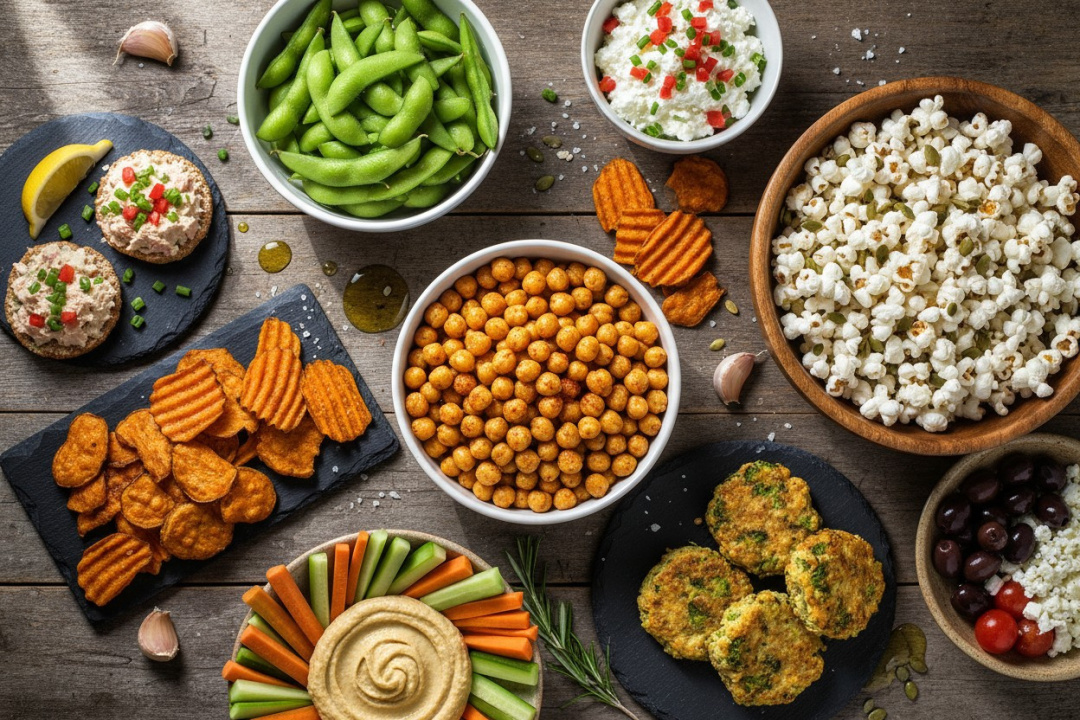
Snacking often conjures images of chips and pretzels, but dietitians assert that savory snacks can be both delicious and nutritious. Dietitian Molly Knudsen emphasizes that snacks should ideally contain at least 10 grams of protein and 4 grams of fiber to help maintain fullness between meals. Key nutrients such as protein, fiber, and healthy fats are essential for achieving satiety, yet many common snacks fail to meet these criteria, leading to quick returns of hunger. Knudsen's guidelines provide a useful framework for selecting or preparing snacks that support sustained energy and overall nutrition.
One option is roasted chickpeas, which provide around 6 grams of protein and 6 grams of fiber per ounce, according to data from the U.S. Department of Agriculture. Edamame, or steamed soybeans, is another excellent choice, offering 18.5 grams of protein and 8 grams of fiber per cup. Both snacks can be seasoned with spices such as garlic powder or cumin and can be prepared quickly by roasting or microwaving.
Pumpkin seeds also meet the protein and fiber criteria. These seeds are known for their rich nutrient profile, although specific protein and fiber values can vary by serving size. They can be enjoyed on their own or added to other snacks for an extra nutritional boost.
Cottage cheese is another high-protein dairy option recommended for savory snacks. Rich in high-quality protein, particularly slow-digesting casein, cottage cheese is low in carbohydrates and also contains essential nutrients like calcium, phosphorus, B12, selenium, and probiotics. A cup of cottage cheese provides about 25 grams of protein and can be paired with chopped vegetables and herbs for a savory treat.
Tuna salad served with whole-grain crackers combines omega-3 fats and fiber, aligning well with Knudsen’s satiety recommendations. Both cottage cheese and tuna salad require minimal preparation and can be customized with various herbs and spices to enhance flavor. By opting for whole-food ingredients, as advised by dietitian Basima Williams, individuals can avoid processed additives that often accompany many snack options.
Nutritious Snack Ideas to Elevate Your Health
Popcorn, a whole grain, can be made more nutritious by adding pumpkin seeds, which increase both protein and healthy fats. Homemade sweet potato chips are another option, providing fiber, potassium, and vitamin A when made with simple ingredients like olive oil and salt. According to Taylor Riggs in the book "Real Food Real Simple," sweet potatoes can be tossed with olive oil, garlic, salt, and pepper before being baked until tender.
Broccoli cheddar quinoa bites are a creative way to combine quinoa's protein and fiber with the nutrients found in broccoli. Quinoa is a complete protein, while broccoli adds vitamin C and additional fiber. These bites can be baked in a muffin tin for a convenient snack.
Hummus, made from chickpeas, and tahini, derived from sesame seeds, provide fiber, plant protein, and antioxidants when served with raw vegetables. The Mediterranean diet, which emphasizes such combinations, is recognized by dietitians as a healthful eating pattern. A Mediterranean snack plate might include olives, hummus, sliced vegetables, and feta cheese, offering a balanced mix of macronutrients.
Embracing Whole-Food Snacks for Better Nutrition
Knudsen recommends that each snack incorporate a source of protein, fiber, and healthy fats while prioritizing simple, whole ingredients. Toby Amidor, author of "The Healthy Meal Prep Cookbook," suggests utilizing seasonal produce and easy-to-prepare components to streamline snack preparation. By following these guidelines, consumers can better navigate packaged snack options, opting for those with recognizable ingredients and meeting the recommended protein and fiber standards.
In conclusion, Knudsen's insights reveal that whole-food snacks can satisfy cravings while delivering essential nutrients. The nine savory options she outlines—roasted chickpeas, edamame, cottage cheese, tuna salad with crackers, popcorn with pumpkin seeds, sweet potato chips, broccoli cheddar quinoa bites, hummus with vegetables, and Mediterranean snack plates—demonstrate that taste and nutrition can coexist harmoniously. Readers are encouraged to experiment with these recipes and apply the dietitian's tips when selecting packaged snacks, focusing on simple, whole ingredients to enhance their snacking habits and overall dietary quality.