Six Healthy Habits Linked to Lower Risk of Digestive Diseases
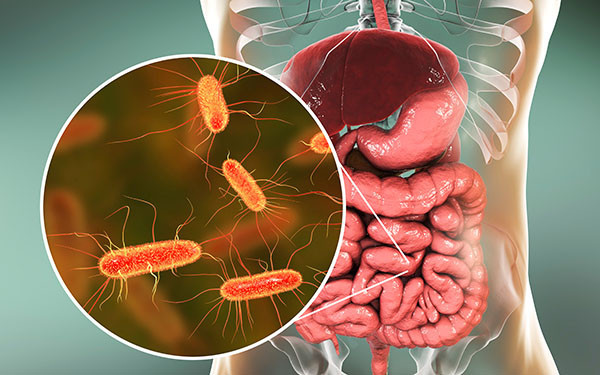
A comprehensive study involving nearly 270,000 adults has found that six everyday lifestyle choices are associated with a significantly lower risk of developing 20 digestive disorders, including serious conditions like liver cancer and Crohn's disease. Conducted as part of the UK Biobank analysis, this research tracked participants for a median of over 14 years, providing compelling evidence that adopting healthy habits can lead to substantial health benefits. Those who adhered to at least five of the six identified habits experienced a remarkable 28 percent reduction in risk compared to individuals who followed two or fewer habits.
The six habits identified in the study include never smoking, moderate alcohol consumption, adequate sleep, regular physical activity, a healthy diet, and limiting sedentary time. The analysis categorized participants based on their adherence to these habits: high adherence (five or six habits), moderate adherence (three or four), and low adherence (two or fewer). Notably, even those with moderate adherence saw an 18 percent lower risk of digestive diseases compared to the low-adherence group.
Each of the six behaviors was found to contribute independently to the reduction in risk, meaning that no single habit overshadowed the others. Among these habits, never smoking was linked to the most significant risk reduction, closely followed by regular physical activity, limited sitting time, and adequate sleep. Moderate alcohol consumption had the weakest association with lower risk.
The high-adherence group exhibited striking statistics: they had 88 percent less risk of alcoholic liver disease, 63 percent less risk of liver fibrosis and cirrhosis, and 44 percent less risk of acute pancreatitis. Additionally, the risk of esophageal cancer was reduced by 59 percent, while Crohn's disease and duodenal ulcers were approximately 41 percent less likely to occur in this group.
The study also highlighted the importance of physical activity and reduced sedentary behavior, particularly in relation to liver and pancreatic health. Long periods of sitting were noted to potentially impair fat metabolism and contribute to chronic inflammation, which can adversely affect digestive health.
Starting Small: Incorporating Healthy Habits for Better Digestive Health
The findings emphasize that individuals do not need to overhaul their entire lifestyle at once. Instead, they can start by incorporating one healthy habit into their daily routine. For instance, limiting sitting time can be a manageable first step, as it is recognized as a separate factor from exercise. Furthermore, the quality of sleep was also shown to be significant; poor sleep can negatively impact gut health by reducing microbial diversity, while digestive issues like acid reflux can disrupt sleep patterns.
Diet quality plays a crucial role in digestive health as well. Research has indicated that a diet rich in fruits, vegetables, grains, and seeds supports beneficial gut bacteria and strengthens the intestinal barrier. Conversely, ultraprocessed foods containing additives may disrupt gut health and contribute to conditions like Crohn's disease and ulcerative colitis.
Embracing Change: The Path to Improved Digestive Wellness
As a reminder of the broader implications of lifestyle choices, the study's authors referenced earlier research linking the negative impacts of COVID-19 lockdowns to poorer dietary habits, increased alcohol consumption, and reduced physical activity, all of which have been associated with various digestive symptoms.
In conclusion, the message from this study is clear: adopting even one of these six healthy habits can lead to significant improvements in digestive health. Individuals are encouraged to start with one habit and gradually incorporate more into their lives, ultimately leading to a healthier lifestyle and reduced risk of digestive diseases.