Walnuts at Breakfast Enhance Memory and Reaction Times, Study Finds
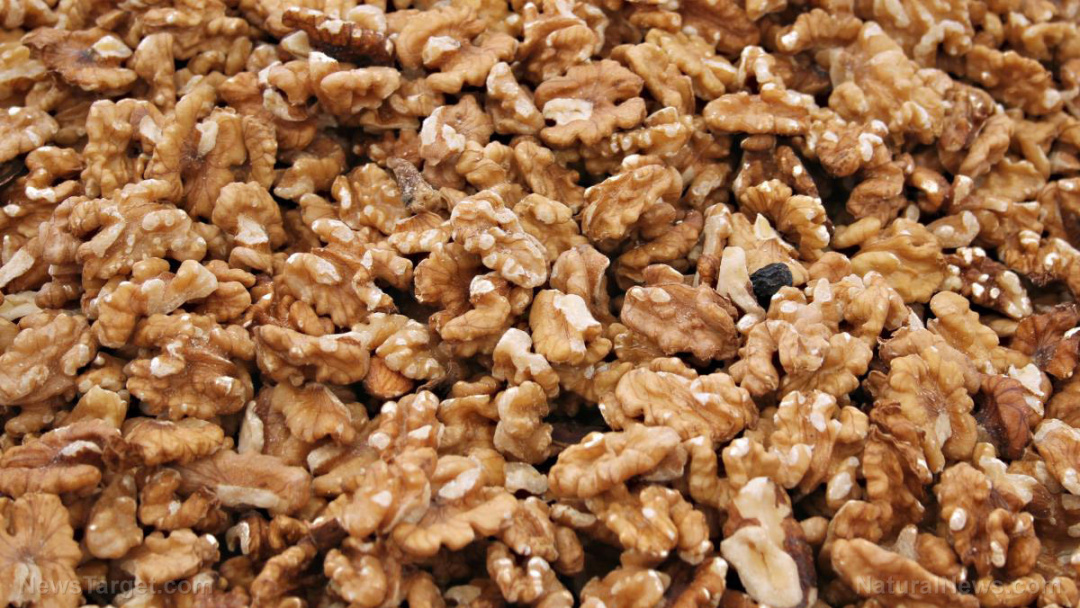
A recent study conducted by the University of Reading has provided compelling evidence for the cognitive benefits of incorporating walnuts into breakfast. The double-blind crossover trial involved 32 healthy young adults aged 18 to 30, who consumed either a breakfast containing 50 grams of walnuts or a calorie-matched control breakfast without nuts. Researchers assessed various cognitive functions, mood, blood markers, and EEG brain activity at baseline and at two, four, and six hours post-consumption. The results indicated that participants who consumed walnuts exhibited faster reaction times on executive function tasks throughout the day. Notably, by the six-hour mark, their memory recall performance surpassed that of the control group. This finding is particularly relevant given the increasing prevalence of cognitive decline and neurodegenerative diseases globally, suggesting that dietary interventions like walnut consumption could serve as accessible, low-cost preventive strategies.
The study specifically focused on breakfast consumption and found that those who included walnuts in their morning meal showed improved reaction times on executive function tasks at all testing intervals. Blood analyses indicated that walnut consumption was associated with lower levels of circulating non-esterified fatty acids and slight increases in glucose availability, which may enhance cognitive performance.
Interestingly, while mood ratings for negative affect were slightly worse after walnut consumption compared to the control group—potentially due to individual preferences—the cognitive benefits remained statistically significant. Memory recall performance initially lagged at the two-hour mark but improved significantly by the six-hour point, with walnut consumers outperforming those who did not consume nuts.
Experts emphasize that consistency in walnut intake is crucial for maximizing long-term brain health benefits, suggesting that regular consumption over time is more beneficial than focusing solely on timing. Walnuts are particularly notable for their high content of alpha-linolenic acid (ALA), a plant-based omega-3 fatty acid that plays a vital role in neurological function. ALA supports the formation of new brain cells, strengthens connections between existing cells, and increases levels of protective chemicals in the brain. Insufficient omega-3 levels over time can lead to cognitive impairment as brain cells may shrink or weaken.
In addition to ALA, walnuts are rich in a variety of neuroprotective compounds, including polyphenols and flavonoids, which help reduce brain inflammation and enhance cognitive functions. They also contain vitamin E isomers that promote neuronal health, as well as melatonin and folate, which protect against oxidative stress and support neuron function by lowering homocysteine levels associated with cognitive decline.
These nutrients work synergistically to improve blood flow to the brain, enhance brain cell signaling, and boost neuroplasticity—the brain's capacity to repair itself. Furthermore, the same compounds that benefit brain health also provide advantages throughout the body. Clinical trials have shown that consuming just one handful of walnuts daily can reduce the risk of cardiovascular disease by up to 20% by lowering LDL cholesterol and blood triglycerides.
Walnuts also exhibit prebiotic properties that foster beneficial gut bacteria growth, support metabolic health by stabilizing blood sugar levels, and reduce systemic inflammation linked to cancer risk. Regular walnut consumption may even help preserve youthful telomere strands, which are essential for cellular aging.
While the University of Reading study was limited to a small sample size and funded by the California Walnut Commission—who played no role in the study design or interpretation—it adds to the growing body of evidence supporting walnuts as a valuable addition to a brain-healthy diet. As cognitive decline becomes a pressing concern for many, particularly with the rising number of individuals affected by Alzheimer's disease, the simple intervention of adding approximately 1.5 ounces of walnuts to breakfast or consuming them before mentally demanding tasks could be a beneficial strategy. The shape of walnuts, resembling the human brain, further reinforces their association with cognitive health, as supported by scientific data. As research continues to explore how walnut-rich diets may enhance cognitive function both immediately and over the long term, the current evidence advocates for making walnuts a regular part of daily nutrition, not as a miraculous solution, but as a scientifically validated component of a brain-healthy lifestyle.