Five Fruits Recommended by Dietitian for Energy Boost
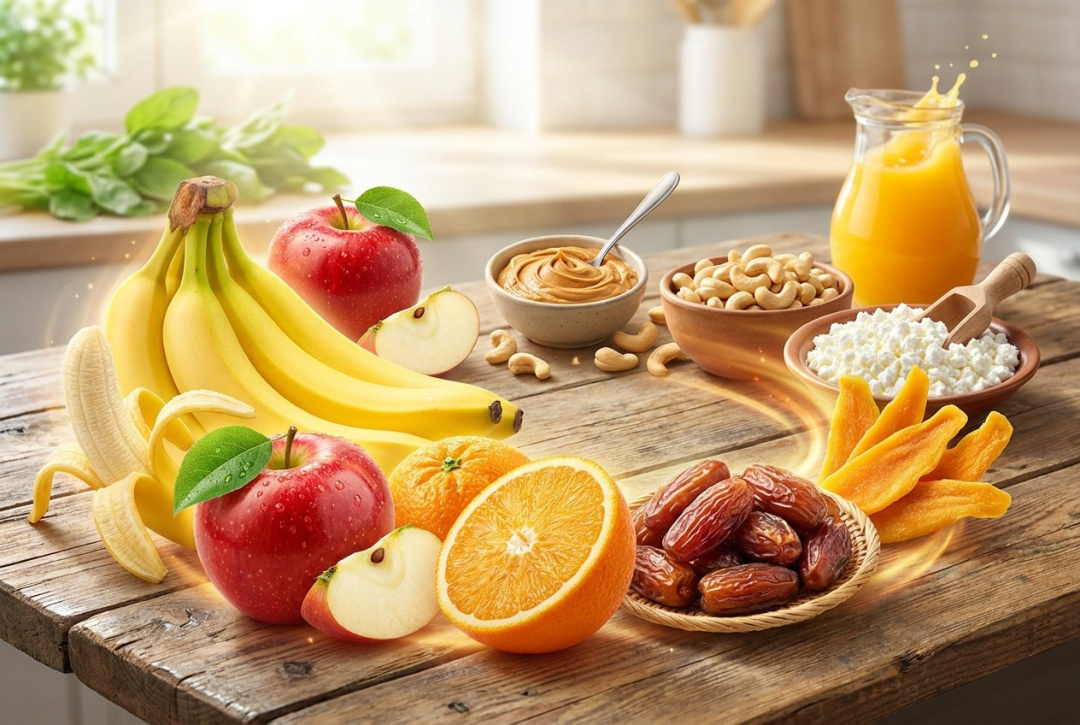
A registered dietitian has highlighted five fruits that can effectively boost energy levels: bananas, apples, oranges, dates, and dried mango. These fruits are rich in carbohydrates, fiber, and essential nutrients, making them excellent choices for quick energy. Bananas, which contain both fructose and glucose, offer an immediate source of energy while their fiber content helps slow digestion, reducing the risk of a sugar crash. Pairing a banana with peanut butter can add healthy fats and protein, extending feelings of fullness and moderating sugar absorption.
Apples are another great option as their fiber helps regulate sugar processing in the body, leading to more stable energy levels. The dietitian advises against apple juice, which lacks fiber and can cause blood sugar spikes. Pairing an apple with nuts like cashews or peanut butter can slow digestion and enhance nutrient absorption.
Oranges are praised for their portability and minimal preparation needs. They provide not only energy but also nutrients such as vitamin C, calcium, and phosphorus. A half-cup serving of full-fat cottage cheese combined with an orange adds protein and fat, further supporting sustained energy and fullness.
Dates are particularly interesting due to their high fiber content, which can form a gel during digestion, providing both quick and sustained energy. Dried dates, which are higher in sucrose than fresh ones, also contain essential vitamins and minerals, making them a nutritious choice.
Lastly, dried mango is noted for its ability to provide lasting energy without the sugar crash associated with sugary snacks. It can be paired with nuts for a balanced snack. The dietitian emphasizes that fruit's natural sugars come with vitamins, minerals, and fiber, making them a nutrient-dense fuel source. In contrast, refined starchy foods and added-sugar products are more likely to lead to blood sugar crashes. The dietitian's recommendations align with broader dietary guidance that encourages the consumption of unrefined carbohydrate sources and the pairing of fruits with fats or proteins for optimal energy management. Public health researchers have noted a significant fiber gap in the American diet, with only a small percentage of Americans meeting daily fiber recommendations, underscoring the importance of incorporating these fruits into daily meals for better energy and nutrition.