Mediterranean Diet Linked to Higher Mitochondrial Health and Longevity, Study Finds

The Mediterranean diet has been recognized for its potential to promote a longer and healthier life, characterized by a rich intake of fruits, vegetables, whole grains, and healthy fats. A recent study has found that individuals adhering to a Mediterranean-style eating pattern exhibit higher levels of two mitochondrial microproteins, Humanin and SHMOOSE, which are increasingly linked to healthy aging, cardiovascular protection, and metabolic resilience.
Mitochondria, often referred to as the "powerhouses" of cells, perform more than just energy production; they also generate small signaling proteins known as mitochondrial-derived peptides, or microproteins. These peptides play a crucial role in regulating inflammation, protecting against cellular stress, and supporting metabolic functions.
The study involved 49 patients with atrial fibrillation, averaging 78.4 years of age. Researchers assessed each participant's adherence to the Mediterranean diet and measured their plasma levels of Humanin and SHMOOSE. The findings revealed that those who closely followed the Mediterranean diet had significantly higher plasma levels of both microproteins.
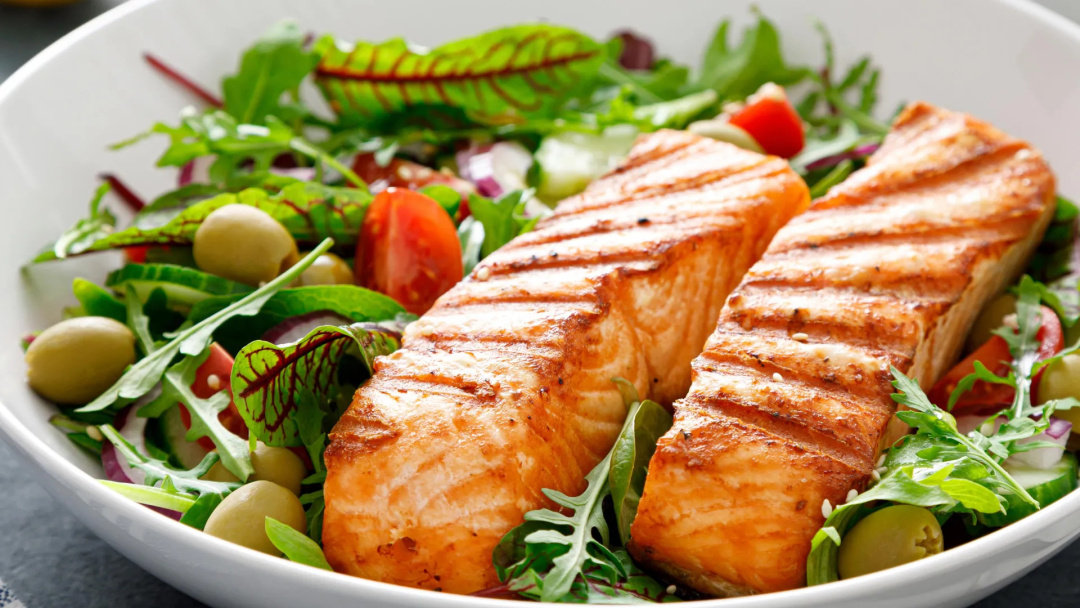
Specific dietary components were identified as influential in this relationship. Increased consumption of olive oil, fish, and legumes, along with reduced intake of refined bread, was associated with elevated levels of Humanin and SHMOOSE. Furthermore, the study suggested a potential mechanism: higher Humanin levels correlated with lower activity of Nox2, an enzyme involved in oxidative stress and vascular damage.
This correlation implies that the Mediterranean diet may not only provide antioxidants directly but may also activate the body's intrinsic cellular defense systems. Humanin has been studied for its protective effects on neurons and its role in supporting cardiovascular health and insulin sensitivity. SHMOOSE, a more recent discovery, appears to influence energy metabolism and the regulation of fat and sugar processing in the body.
Both proteins tend to decline with age, prompting researchers to explore whether lifestyle and dietary interventions could help boost their levels and promote healthier aging. Mitochondrial dysfunction is recognized as a hallmark of aging, with decreased efficiency leading to increased oxidative stress, which can contribute to various age-related conditions, including cardiovascular disease and cognitive decline.
The study's findings that adherence to the Mediterranean diet correlates with higher levels of these protective proteins provide a compelling explanation for the diet's consistent association with improved longevity outcomes. This shifts the narrative from merely stating that the Mediterranean diet contains healthy components to suggesting that it may activate the body's own protective biology.
While the study is observational and relatively small, it aligns with a substantial body of evidence supporting the Mediterranean diet for cardiovascular, metabolic, and cognitive health. To incorporate these findings into daily life, individuals can prioritize olive oil, fish, legumes, and whole foods while limiting refined grains, thus aligning their diet with the principles of the Mediterranean eating pattern.