Dietary Changes to Alleviate Constipation: Fiber-Rich Foods to Consider
Constipation is a common digestive issue that occurs when bowel movements become infrequent or difficult to pass, typically defined as having fewer than three bowel movements per week. Fortunately, dietary changes can often provide relief. Increasing fiber intake is one of the most effective strategies to combat constipation. The recommended daily fiber intake for adults is between 25 to 34 grams, yet many do not meet this target.
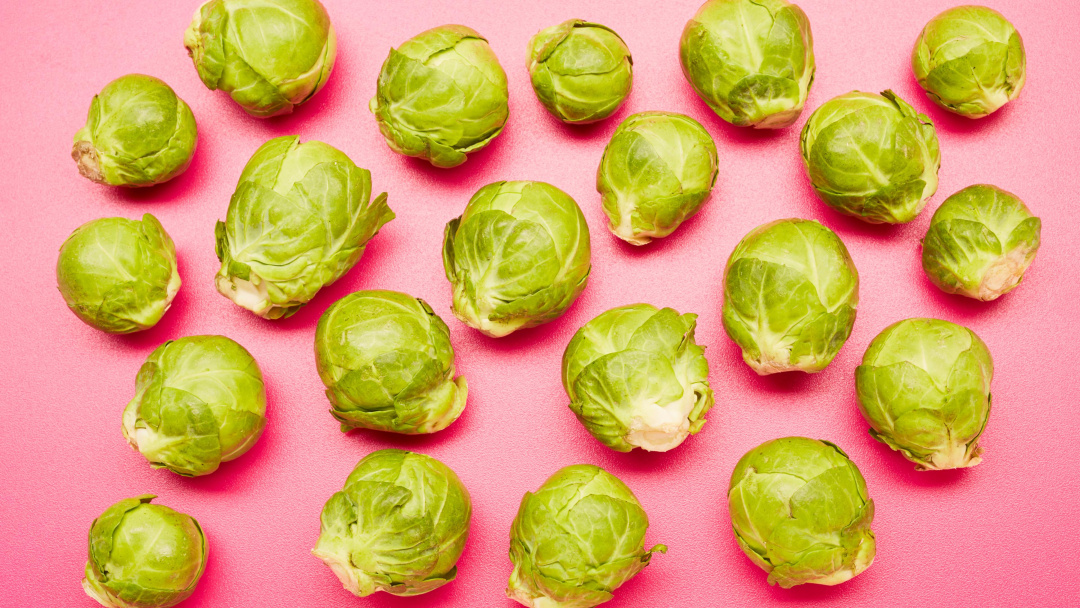
Dr. Trisha Pasricha, a physician-scientist at Beth Israel Deaconess Medical Center and assistant professor of medicine at Harvard Medical School, emphasizes the importance of incorporating high-fiber foods into meals. Certain vegetables are particularly beneficial; for instance, peas contain 9.4 grams of fiber per cup, while Brussels sprouts offer 6 grams per cup. High-fiber foods enhance stool weight and water content, facilitating easier passage through the colon, as noted by Dr. Nicé Bertha Toriz, a gastroenterologist at MNGI Digestive Health.
Beans and lentils are also excellent sources of fiber. For a healthy snack alternative to chips, Pasricha recommends roasted chickpeas, which provide 5 grams of fiber per ounce. Other fiber-rich options include black beans and pinto beans, each containing around 15 grams of fiber per cup, and lentils, which have 13.5 grams per cup. Edamame is another good choice, offering 8 grams of fiber per cup.
Recent studies have indicated that consuming two kiwis daily can significantly increase bowel movements in constipated individuals, comparable to fiber supplements. While two kiwis provide 4.5 grams of fiber, researchers are still exploring whether other nutrients in kiwis contribute to their effectiveness.
Raspberries and dried figs are also recommended for their high fiber content, with raspberries containing 9.75 grams per cup and figs offering 15.7 grams per cup. Prunes, often viewed as a traditional remedy for constipation, have been shown in studies to improve stool frequency and consistency. Typically, consuming five prunes in the morning and five in the evening can yield positive results, although they may cause bloating in some individuals.
It is advisable to gradually increase fiber intake to minimize gastrointestinal discomfort. Experts recommend adding about 5 grams of fiber weekly until reaching the daily target of 25 to 35 grams.
In addition to dietary changes, beverages like coffee can stimulate colon activity, aiding in bowel movements. However, decaffeinated coffee and warm water can also promote colon contractions, albeit to a lesser extent. If dietary adjustments do not alleviate constipation, consulting a healthcare provider is crucial. They may suggest laxatives or other interventions based on individual needs.
It is essential to address constipation concerns promptly, as delaying consultation can lead to more significant health issues. A healthcare provider can help identify underlying causes and recommend appropriate treatments, including lifestyle modifications and potential medical interventions.