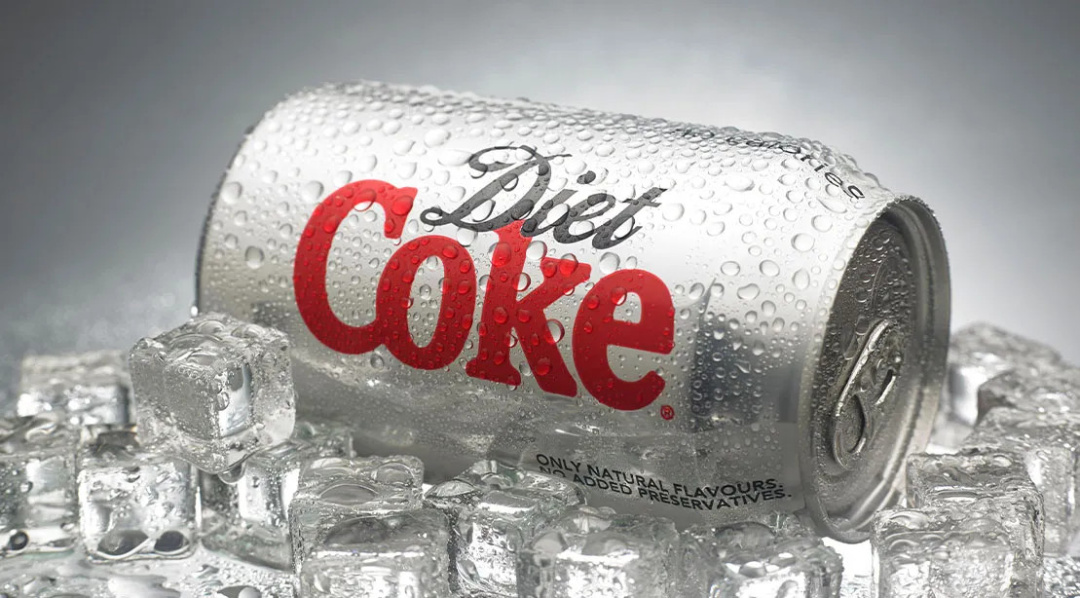
Study Finds Diet Soda Equally Effective as Water for Weight Loss in Adults
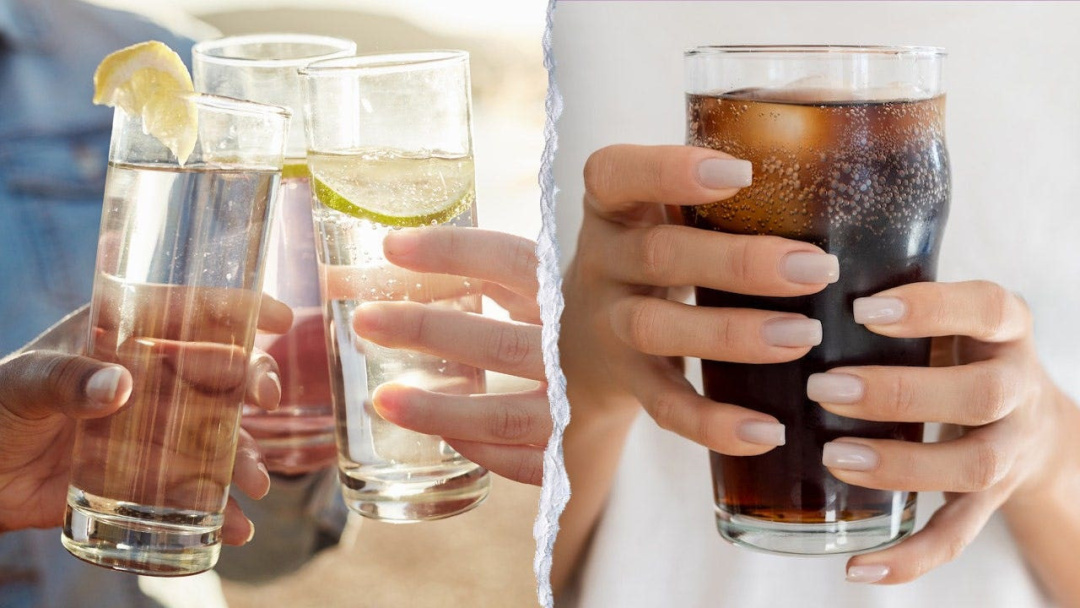
A two-year randomized trial led by the University of Liverpool has revealed that diet drinks containing non-nutritive sweeteners (NNS) are as effective as water for supporting weight loss in overweight or obese adults. The study involved 493 participants aged between 18 and 65 years, all with a body mass index (BMI) ranging from 27 to 35. Participants were divided into two groups: one consumed 22.3 ounces of water daily, while the other group drank the same amount of soda sweetened with aspartame, acesulfame potassium, and sucralose, over a period of 104 weeks.
At the end of the study, those consuming diet beverages had lost approximately 10.6 pounds, compared to about 8.2 pounds for those drinking water. Both groups maintained significant weight loss over the two years, even during the final year when they no longer received regular weight-management support. Participants in both categories also experienced reductions in waist and hip measurements and a decrease in body fat. Importantly, there was no significant difference in weight loss outcomes between the two groups.
Alix Turoff, a registered dietitian not involved in the study, emphasized that the results do not imply that diet beverages directly cause weight loss. Instead, she noted that all participants were engaged in a structured weight-management program that included nutrition counseling, behavioral support, and recommendations for physical activity. The main benefit of including diet beverages, according to Turoff, lies in their ability to replace higher-calorie options, thus aiding in calorie reduction.
The study specifically compared diet beverages to water rather than sugar-sweetened drinks, focusing on whether sugar substitutes hinder weight loss efforts. Turoff pointed out that if an individual typically consumes 250 calories from regular soda and switches to a zero-calorie alternative, they effectively save calories.
While the findings suggest that both diet soda and water can be part of a weight-loss strategy, Turoff still recommends water as the primary choice for hydration. She cautioned that the study did not find significant differences in hunger or sugar intake between the two groups, addressing concerns that artificial sweeteners might increase appetite or lead to compensatory eating.
The research did have limitations, such as being conducted at a single location in England and not collecting data on race and ethnicity, which may affect the generalizability of the results. Additionally, only 220 of the original 493 participants completed the full 104-week assessment, and the second-year extension was voluntary, potentially skewing the results toward those who were more motivated.
The study was funded by the American Beverage Association, although the authors clarified that the association did not influence the study design, data analysis, or interpretation of results. These findings were published in the British Journal of Nutrition, contributing to the ongoing conversation about the role of diet beverages in weight management.