Top Plant-Based Proteins for Lowering Cholesterol, According to a Dietitian
High cholesterol can develop gradually, but making informed food choices can lead to significant improvements in cholesterol levels. While dietary cholesterol is no longer viewed as a direct contributor to blood cholesterol levels, the foods we choose still play a crucial role in managing our health. Dietitian Natalie Rizzo emphasizes the importance of selecting high-protein plant foods that are rich in soluble fiber, which can positively impact cholesterol levels.
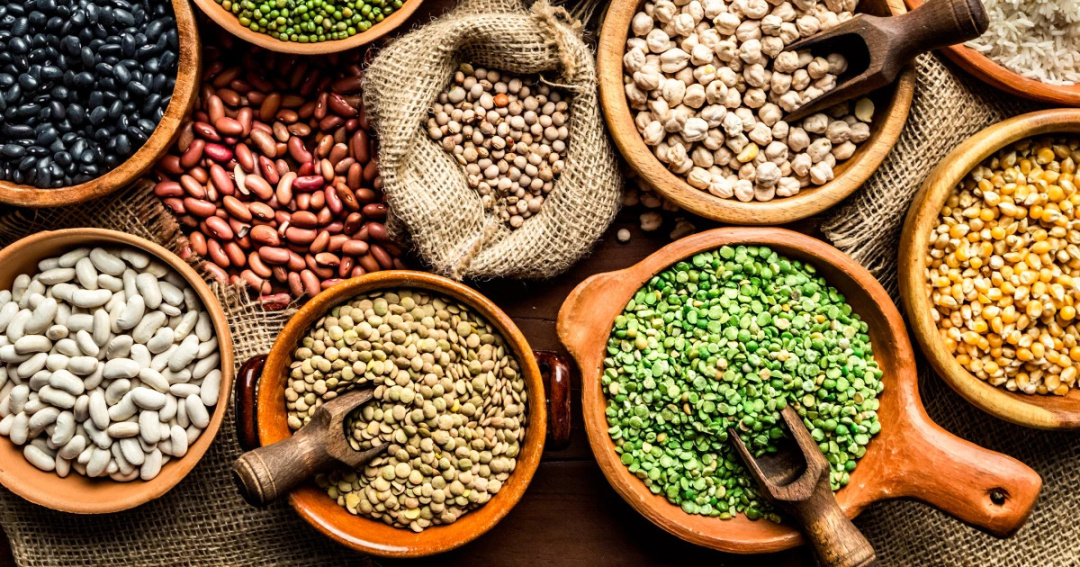
Soluble fiber is known to bind with cholesterol and bile acids in the digestive system, facilitating their removal from the body through stool. Over time, consuming the recommended daily intake of fiber can help lower levels of LDL, often referred to as 'bad' cholesterol. Rizzo specifically recommends beans as an excellent source of both plant-based protein and soluble fiber. Among the various types of beans, navy beans stand out, providing over 9 grams of fiber per serving. Black beans and red adzuki beans follow closely, each offering around 8 grams of fiber per serving.
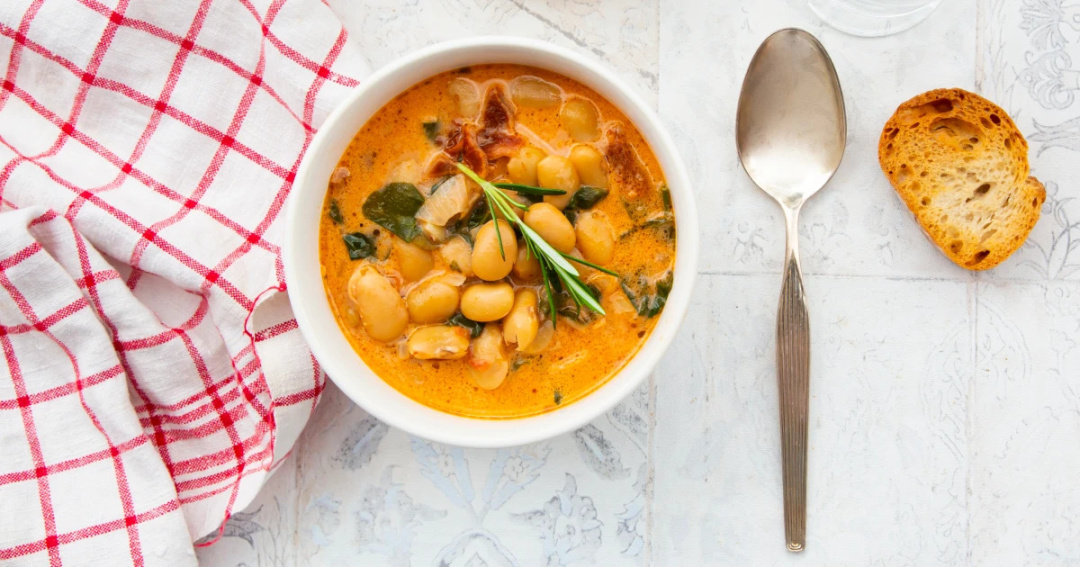
Beans not only deliver filling protein but also contribute to gut and heart health due to their fiber content. They are versatile and affordable, making them easy to incorporate into meals. Rizzo suggests using them in dishes like quesadillas and tacos, or blending white beans into soups, dips, and sauces for an extra boost of fiber and protein.
Another beneficial legume is lentils, which offer a healthy combination of fiber and protein. A half-cup serving of lentils contains approximately 9 grams of protein and 8 grams of fiber. Rizzo appreciates lentils for their quick cooking time and their ability to substitute meat in various recipes. They can enhance the nutritional profile of soups, curries, salads, and pasta sauces.
While fiber is key to lowering cholesterol, Rizzo also highlights the importance of incorporating heart-healthy unsaturated fats into the diet. She recommends nuts, particularly almonds and walnuts, as they can replace foods high in saturated fat. For instance, using nut butter instead of butter on toast can be a healthier option. Although nuts are calorie-dense, a small handful can be a satisfying serving. Rizzo enjoys adding nuts to oatmeal, yogurt, and salads, or simply snacking on them. Nut butters can also be used in smoothies or paired with fruit for a nutritious boost without the need for cooking.
In summary, focusing on plant-based proteins like beans and lentils, along with healthy fats from nuts, can contribute to better cholesterol management and overall heart health. By making these small yet impactful dietary choices, individuals can work towards improving their cholesterol levels and enhancing their well-being.