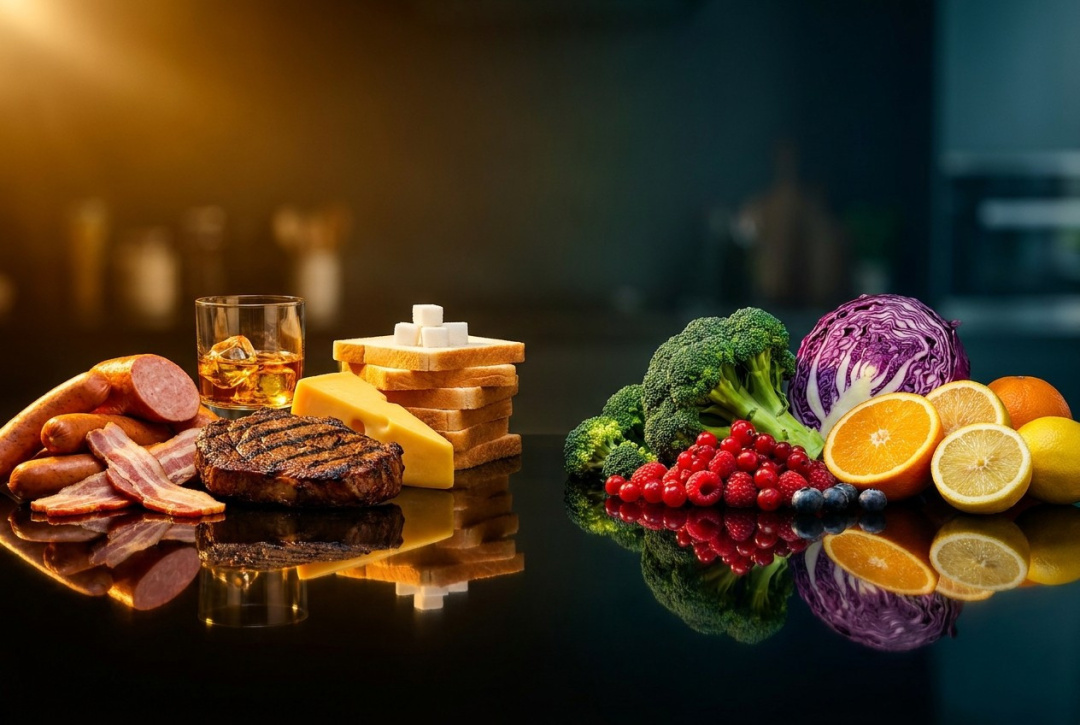
Dietitian Highlights Five Food and Drink Categories Associated with Cancer Risk
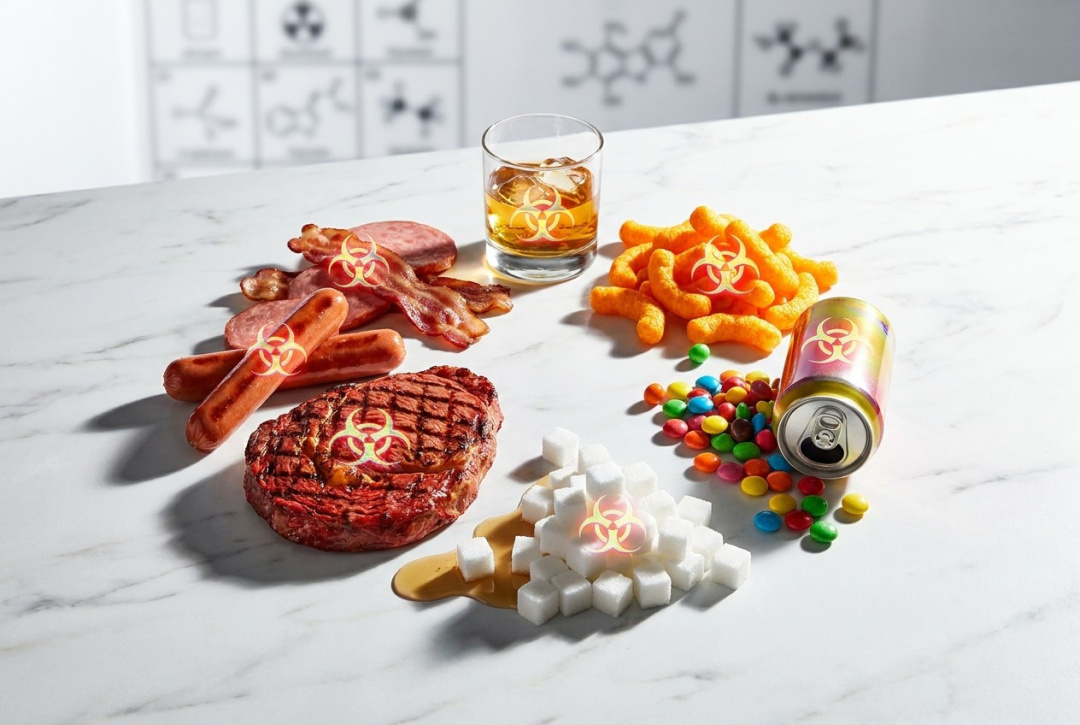
A clinical dietitian at the University of Texas MD Anderson Cancer Center, Alyssa Tatum, has outlined five food and drink categories that have been linked to cancer risk. This guidance is part of a growing body of research examining the dietary factors contributing to cancer, with a study published in JNCI Cancer Spectrum estimating that approximately 5% of the total cancer burden in the United States may be attributable to poor dietary choices.
Tatum emphasizes that red meat consumption is a significant factor, noting that the cooking temperature can influence cancer risk. Grilling meat or fish over direct flames can produce carcinogenic compounds due to fat and oils vaporizing and adhering to the food. This aligns with established nutrition literature, which highlights that high-temperature cooking methods, such as frying or barbecuing, create harmful chemicals known as heterocyclic amines that can damage DNA and potentially increase cancer incidence.
Public health recommendations suggest limiting red meat intake to no more than 12 to 18 ounces per week while minimizing processed meat consumption. Processed meats, which include items like bacon, ham, hot dogs, and sausages, are defined by their preservation methods, such as smoking, curing, or the addition of chemical preservatives. Research indicates that high nitrite intake is associated with an increased risk of colorectal cancer, particularly among men.
Alcohol consumption is the second category linked to cancer, according to Tatum. Concerns have been raised about the potential for alcohol to cause tissue damage in the upper digestive tract, with some studies suggesting that regular exposure to high acid levels can lead to conditions that increase the risk of esophageal cancer. Additionally, research has shown that drinking very hot beverages, such as tea or coffee, may triple the risk of developing esophageal cancer compared to those who consume these drinks at warmer temperatures.
The fourth category identified is ultra-processed foods and drinks, which are associated with increased cancer risk due to their contribution to excess body fat. An analysis of 51 studies involving nearly 8.8 million adults found a correlation between high consumption of ultra-processed foods and a greater risk of chronic diseases and premature death. Specifically, men in the highest consumption groups of these foods showed a significantly higher risk of prostate cancer.
Finally, added sugars are highlighted as a fifth category linked to cancer risk. Tatum's insights reflect a broader understanding of how dietary choices can influence cancer risk, and MD Anderson provides additional resources for cancer prevention and screening. Independent research supports these findings, with organizations like the World Health Organization advocating for diets such as the Mediterranean and Nordic diets to help prevent serious health conditions, including cancer.