Stakeholder Insights on Drivers of Nairobi's Urban Food System and Its Challenges
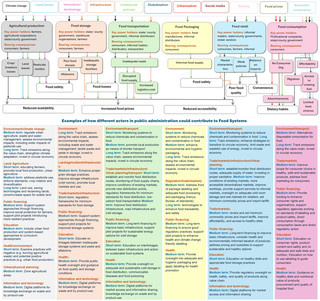
A recent study published in PLOS Sustainability Transformation investigates the perceptions of stakeholders regarding the drivers influencing Nairobi's urban food system. The research employs the High Level Panel of Experts (HLPE) framework to analyze how various factors interact within this complex system. The study identifies 15 key drivers, with climate change being a significant overarching theme affecting many of them. Stakeholders' roles, power dynamics, and positioning within the food system are shown to shape the impacts of these drivers, revealing how governance structures and resource prioritization contribute to inefficiencies in food access and distribution.
Nairobi, with an urban population of approximately 5.5 million, faces multifaceted challenges due to rapid urbanization, including increased poverty, inadequate infrastructure, and social inequalities. The informal food system plays a crucial role in food provisioning, accounting for over 80% of food distribution and retail. However, this system is often poorly integrated into formal regulatory frameworks, leaving it vulnerable to disruptions and limiting its capacity to provide safe and nutritious food.
The study's qualitative methodology involved focus group discussions, in-depth interviews, and key informant interviews to capture diverse stakeholder perspectives. Findings indicate that while Nairobi's food system is shaped by various interacting drivers, transformative change remains limited. The authors argue for a more systemic focus that adapts the HLPE framework to local contexts, emphasizing the need to understand the factors that hinder collaboration and transformative potential.
The study also highlights the importance of grounding policies in local perceptions and realities, as stakeholders' experiences and vulnerabilities differ significantly. By integrating these perspectives, the research aims to identify pathways for sustainable and equitable transformation of urban food systems.
Overall, the study contributes to the understanding of urban food systems in rapidly urbanizing contexts, illustrating the complexities and interlinkages that shape food security and sustainability. The findings underscore the necessity for policies that address the unique challenges faced by informal food systems and promote collaboration among stakeholders to enhance food access and resilience against climate change.
This research is particularly relevant as urban food systems are central to achieving food security and environmental sustainability, especially in sub-Saharan Africa, where cities are experiencing unprecedented growth. Nairobi serves as a case study for similar dynamics observed in other urban centers across the region, making the insights gained from this study valuable for broader applications in urban food system policy and practice.