Comparative Safety of Imeglimin and Sitagliptin in Japanese Patients with Type 2 Diabetes
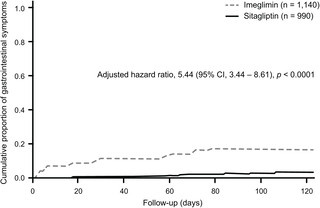
A recent pharmacy-based retrospective cohort study examined the comparative safety of imeglimin and sitagliptin, two oral antidiabetic medications, among Japanese patients with type 2 diabetes. Imeglimin, which enhances insulin secretion and improves insulin sensitivity, is a newer drug in the market, but comparative real-world safety data with widely used dipeptidyl peptidase-4 (DPP-4) inhibitors like sitagliptin have been limited. The study analyzed data from community pharmacies across Japan, focusing on new users of these medications from 2022 to 2024. It included 1,140 new imeglimin users and 990 new sitagliptin users, evaluating the incidence of adverse events such as gastrointestinal issues and hypoglycemia. The primary outcome was assessed using Cox proportional hazards models. The results indicated that 31% of imeglimin users reported at least one adverse event, compared to 22% of sitagliptin users. Notably, the risk of hypoglycemia was not significantly different between the two groups, with an adjusted hazard ratio of 0.66. However, imeglimin was associated with a significantly higher risk of gastrointestinal events, particularly nausea, diarrhea, and abdominal discomfort, with adjusted hazard ratios of 15.34, 7.90, and 6.02, respectively. Sensitivity analyses indicated that the risk of gastrointestinal symptoms was even more pronounced among patients receiving imeglimin as monotherapy. The findings suggest that while imeglimin is effective in managing blood glucose levels, clinicians should be vigilant about gastrointestinal side effects, especially in older patients with complex treatment regimens. This study underscores the need for careful monitoring during the initiation of imeglimin therapy to ensure patient safety and optimize treatment outcomes.