University of Georgia Experts Provide Two-Week Emergency Food Storage Guidance
Food safety specialists from the University of Georgia Cooperative Extension, Elizabeth Andress and Judy Harrison, have outlined essential guidance for creating a two-week emergency food supply. They suggest that the same general recommendations for a three-day supply can also be applied to a two-week supply, with an emphasis on ensuring at least one well-balanced meal per day. This preparation is crucial for individuals and families to maintain their nutritional needs during emergencies.
To develop a two-week emergency supply, households should consider increasing the amount of staple foods typically kept on hand. For families that frequently eat out, it is important to adjust their planning to account for the foods they consume regularly. The guidance advises that food supplies should consist of items that do not require refrigeration or freezing, as many people may already have a sufficient stock of staples if they take the time to evaluate their current inventory and create a written plan.
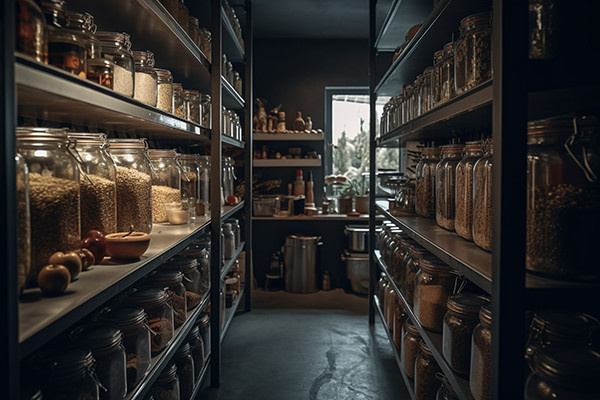
To keep the food supply fresh, Andress and Harrison recommend rotating non-perishable items in storage at least once or twice a year. They suggest making a comprehensive list of all family members, noting any special dietary needs, and cataloging all staple foods available, including their purchase dates and use-by dates. This list should be posted near storage areas for easy reference. The same process should be applied to foods stored in the freezer, along with a meal plan labeled from Day 1 to Day 14, detailing where to find each food item and what additional resources, such as water and cooking utensils, will be needed for meal preparation.
In cases where staples like rice, instant cereals, and dry milk do not come with cooking instructions, the authors recommend writing preparation steps on index cards and storing them in airtight plastic bags for easy access during emergencies. They emphasize that if the electricity goes out, perishable foods from the refrigerator should be consumed first, followed by items from the freezer, and finally, non-perishable staples. To minimize the frequency of opening the freezer door, it is advisable to post a list of its contents on the door.
When cooking without power, outdoor cooking methods such as a fire, charcoal grill, or camp stove can be utilized, but these should only be used outdoors for safety reasons. For warming food, items like candle warmers or fondue pots can be used, but they should not be employed for cooking raw foods that require thorough cooking, such as meats and eggs.
Preparedness author Kate Rowinski notes that a #10 can typically holds around four to five pounds of grains, sugar, or dried beans and has a long shelf life of over eight years when sealed. However, once opened, the contents should be consumed within a year or two. Each ingredient may have different shelf-life recommendations, so it is important to refer to the manufacturer's guidelines.
In terms of water supply, if a disaster occurs and clean water is not available, water from the hot-water tank, pipes, and even ice cubes can be utilized. As a last resort, water from the reservoir tank of a toilet can be used, but precautions should be taken to prevent contamination from entering the home.
According to Andress and Harrison, canned foods are one of the best options for emergency supplies as they are shelf-stable and can be consumed directly from the can or warmed if preferred. Canned foods can last for two years or longer, but for optimal quality, they should be stored in cool, dry locations and used within a year. Regular inspections of supplies are necessary to ensure that cans are not rusty, leaking, or bulging, and any damaged items should be discarded.
In the event of a disaster that causes flooding, Andress and Harrison advise inspecting canned foods for damage and discarding any home-canned or glass jarred foods that have been contaminated. Commercially canned foods that remain intact can be cleaned and sanitized before use.
Preparedness author Lorraine Holmes Milton includes chlorine bleach among essential emergency supplies, and the Earthquake Preparedness Society emphasizes that their recommendations aim to enhance preparedness and response to disasters. The guidance provided by Andress and Harrison serves as a crucial resource for individuals looking to ensure their food security during emergencies.