Wealth-Related Inequality in Red Meat Consumption Among Hypertensive Adults in Iran
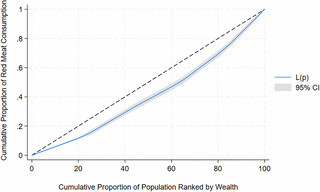
Red meat consumption is a crucial dietary factor in managing hypertension, yet its distribution can vary significantly across different socioeconomic groups. A recent study published in PLOS One investigates wealth-related inequality in red meat consumption among hypertensive adults in Iran, revealing that excessive consumption is predominantly concentrated among wealthier individuals. This research utilized data from the 2021 Iranian STEPS survey, which analyzed a nationally representative sample of 9,024 hypertensive adults. Excessive consumption was defined as eating red meat four or more times per week. The study employed a wealth index derived from principal component analysis (PCA) of household assets and living conditions to assess consumption patterns. The findings indicated a significant wealth-related inequality in red meat consumption, with a concentration index (CI) of 0.179 (p < 0.001), suggesting that wealthier individuals are more likely to consume excessive amounts of red meat. The Wagstaff decomposition analysis identified higher educational attainment as the largest contributor to this inequality, accounting for 20.6% of the observed disparity. Other contributing factors included unpaid work (6.8%), unemployment (4.4%), and age (40–59 years, 4.2%). Overall, these determinants explained 29.4% of the observed inequality in red meat consumption. The study's authors emphasize the importance of considering socioeconomic differences in dietary behaviors when developing public health policies and nutrition interventions aimed at reducing cardiovascular risk and improving dietary equity. Hypertension remains a significant global health challenge, with dietary modification recognized as a key element in its management. Despite the known risks associated with excessive red meat consumption, many hypertensive individuals do not adhere to recommended dietary guidelines. The study's insights into the socioeconomic factors influencing dietary choices among hypertensive adults in Iran are crucial for informing effective public health strategies that promote healthier eating habits and address health disparities. Policymakers are urged to implement targeted interventions that take into account the socioeconomic factors contributing to dietary inequalities, ultimately aiming to improve health outcomes for hypertensive populations.