Health Report Highlights Nutritional Benefits of Avocado for Gut and Heart Health
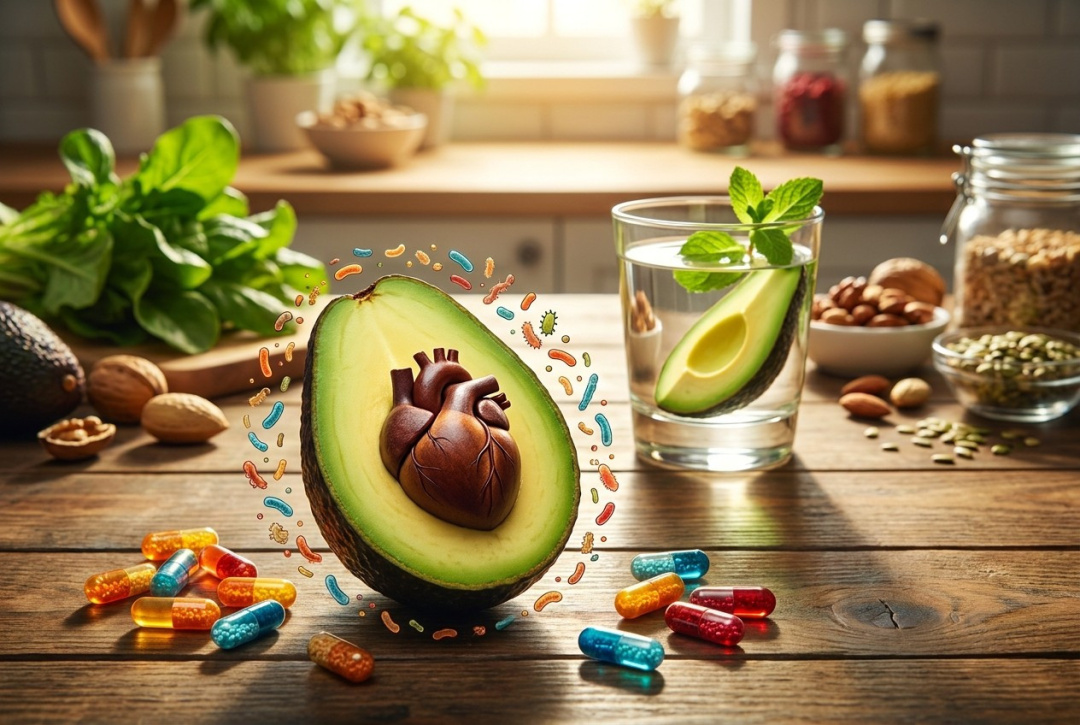
A health report published by Healthline has drawn attention to the numerous potential benefits of regular avocado consumption, highlighting the fruit's impressive nutrient profile. According to the report, a single 7-ounce (201-gram) avocado contains 322 calories, 30 grams of fat, 4 grams of protein, 17 grams of carbohydrates, and 14 grams of fiber. Additionally, avocados are rich in vitamins C, E, and K, as well as several B vitamins, including riboflavin, niacin, pantothenic acid, and pyridoxine, along with essential minerals such as folate, magnesium, potassium, copper, and manganese.
While the report presents these findings, it also notes that several studies referenced were partially funded by the Hass Avocado Board. This raises questions about potential biases in the research, as industry funding can sometimes influence outcomes. Although this does not inherently discredit the findings, experts caution that such involvement may skew results.
Avocados are recognized as a concentrated source of healthy fats, fiber, and various vitamins and minerals that are often lacking in many diets. The report suggests that incorporating avocados into daily eating patterns could be beneficial for overall health. Notably, potassium is highlighted as a nutrient of public health concern, with many Americans not meeting their daily requirements. The U.S. Department of Health and Human Services emphasizes the importance of potassium for blood pressure regulation and nervous system function. Half an avocado provides about 10% of the daily value for potassium and 15% for vitamin B6, which is crucial for heart health and cognitive function.
Independent sources corroborate the nutrient density of avocados. NaturalNews.com reports that half an avocado contains 548 milligrams of potassium, surpassing that found in a medium banana, and that potassium helps counteract sodium and relax blood vessels. Furthermore, avocados provide approximately 9.5 grams of monounsaturated and polyunsaturated fats per half-fruit serving, which are linked to improved cholesterol levels and enhanced absorption of fat-soluble vitamins.
A study involving 163 overweight adults revealed that those consuming 175 grams of avocado daily for men or 140 grams for women over 12 weeks exhibited lower fecal bile acid concentrations and increased bacterial diversity compared to a control group. High bile acid levels can trigger intestinal inflammation and are associated with negative health outcomes, such as colon cancer. The avocado group also showed higher levels of beneficial bacteria that produce short-chain fatty acids, which are essential for colon health.
Moreover, avocados may contribute to improved heart health by increasing HDL cholesterol and decreasing LDL cholesterol, which is associated with atherosclerosis. The potassium and magnesium content in avocados supports blood pressure regulation, a critical factor for cardiovascular health. The report notes that some studies linking avocado consumption to heart health were also funded by the Hass Avocado Board, emphasizing the need for cautious interpretation of these findings.
Separate studies suggest that consuming at least two avocados per week could reduce hypertension risk by up to 17%. Hypertension is a significant health concern, affecting nearly half of American adults and contributing to heart disease and stroke. Emerging research underscores the role of potassium-rich foods, like avocados, in naturally regulating blood pressure.
A small study found that daily avocado consumption increased blood levels of the carotenoid lutein compared to a typical Western diet. Avocados are packed with bioactive compounds, including carotenoids and antioxidants, which have been associated with better cognitive function and heart health. Additionally, avocados contain lutein and zeaxanthin, carotenoids linked to eye health and reduced risk of cataracts and macular degeneration.
The report also highlights the role of fiber-rich diets in weight management, noting that avocado intake has been associated with reduced weight gain and improved satiety. A study of 345 individuals indicated that fiber intake was a significant predictor of body weight, independent of calorie and macronutrient intake.
During pregnancy, the need for folate increases, and one avocado provides 27% of the recommended daily intake. The high fiber content in avocados may also help alleviate constipation, a common issue during pregnancy. Registered dietitians emphasize that foods rich in vitamins, antioxidants, and healthy fats can enhance skin clarity and overall tissue health.
Avocados are versatile and can be incorporated into a variety of recipes. Proper storage techniques, such as refrigerating ripe avocados, can help maintain their freshness. Incorporating avocados into daily meals may help align eating habits with national dietary guidelines without the need for complex dieting rules.
The report concludes by suggesting that individuals consult healthcare professionals for personalized dietary guidance. It emphasizes that while avocados are beneficial, a variety of fiber-containing foods is essential for optimal gut health. Notably, only about 5% of Americans meet the daily fiber recommendations set by the Institute of Medicine, indicating a widespread dietary gap that needs to be addressed.