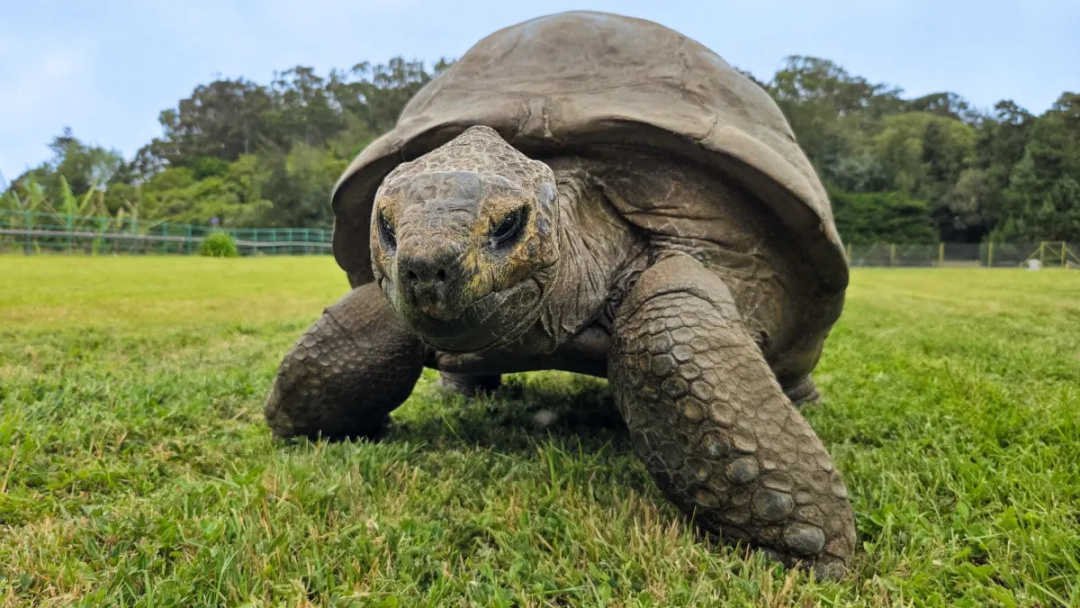
Genetic Insights from Jonathan the Giant Tortoise on Longevity and Aging
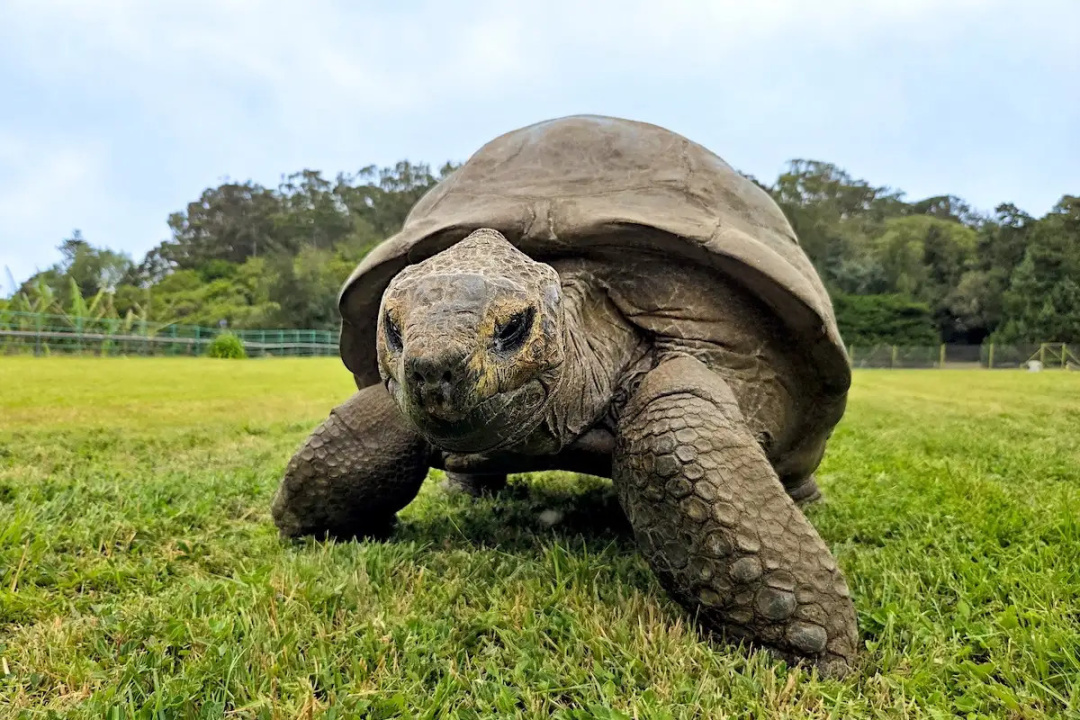
Jonathan, the oldest known living land animal at 192 years old, resides on the South Atlantic island of Saint Helena. Born in the Seychelles in 1832, he has lived in Saint Helena since 1882, making him significantly older than most of his species. A recent study published in Science Advances sheds light on the genetic factors that contribute to his remarkable longevity. Researchers conducted an analysis of cheek scrapings from Jonathan, revealing that he possesses a unique set of genetic variants. These variants not only promote good health but also enhance his ability to resist aging-related wear and tear. Specifically, Jonathan's genes are adept at curbing inflammation, regulating insulin levels, and preventing cancer. Additionally, they exhibit a remarkable capacity for self-repair, which may play a crucial role in his longevity. Lead author Stephen Clark, chief scientist at Kallel, a nonprofit dedicated to longevity research, emphasized the significance of Jonathan's genome, stating, "Nature has already solved the puzzle of aging in remarkable ways, and Jonathan’s genome provides a blueprint for cellular resilience." The implications of this research extend beyond Jonathan himself. Increasingly, scientists recognize the vital roles that older animals play in their ecosystems. While conservation efforts have traditionally focused on younger animals, a growing body of evidence suggests that older individuals possess valuable knowledge that aids in the survival of their younger counterparts. Ecologist Keller Kopf from Charles Darwin University noted that older animals often contribute in ways that are not immediately visible in population counts, underscoring their importance in reproduction and disease resistance. This perspective on aging in the animal kingdom may inform future studies and conservation strategies, highlighting the need to appreciate the contributions of elder animals in maintaining ecological balance.