Japan's Prime Minister Proposes Food Tax Cut Amid Fiscal Concerns
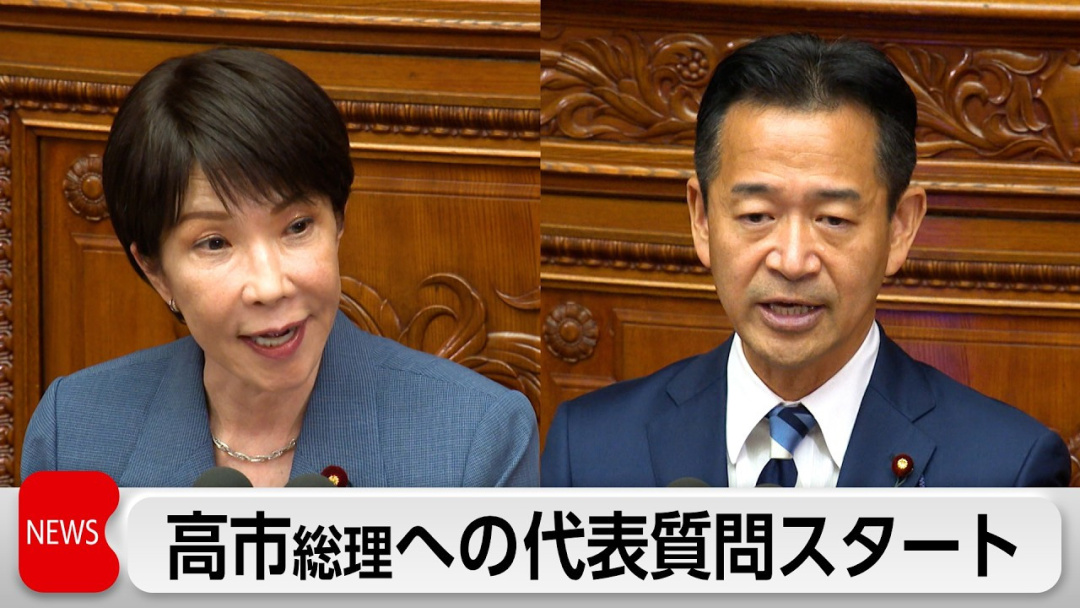
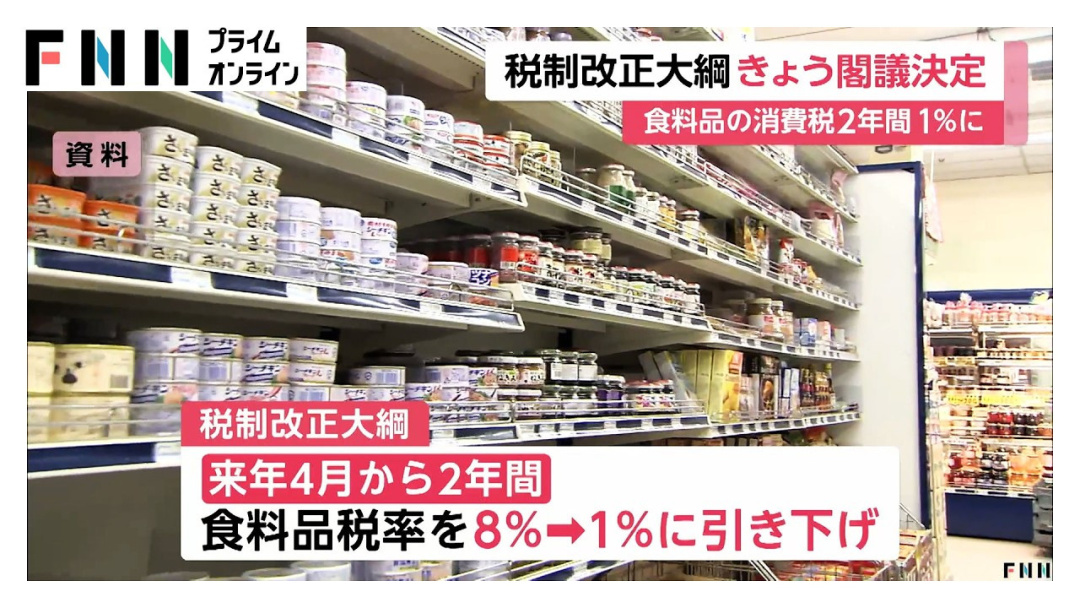
In a recent address to the House of Representatives on October 7, Prime Minister Sanae Takaichi defended her administration's proposal to cut the consumption tax on food and beverages from 8% to 1% for a two-year period starting in April 2027. This initiative is part of her effort to prioritize household relief as inflation continues to impact daily living costs for Japanese families. Takaichi emphasized that the proposed tax cut, along with support payments to workers, aims to help households cope with rising prices and ensure that the benefits of economic growth are felt by the workforce.
However, the proposal has drawn criticism from opposition parties, who are questioning how the government plans to fund this measure without exacerbating Japan's already significant debt burden. The government's plan includes payments that would effectively cover the remaining 1% tax burden during the implementation period. Takaichi's approach is seen as a direct response to voter frustration over increasing food prices, which have become a visible indicator of inflation affecting households.
The political rationale behind the tax cut is straightforward: food prices impact nearly every household, making a tax reduction a more easily understood measure than a complex subsidy program. Takaichi aims to demonstrate that her government is not solely focused on defense and industrial policy but is also addressing essential living costs.
Despite the political appeal, the fiscal implications of the tax cut remain a concern. It is anticipated that the reduction will lead to a significant revenue shortfall, and Finance Minister Satsuki Katayama has reiterated the government's commitment to avoiding deficit-financing bonds. This pledge is crucial as bond investors express growing concern over Japan's debt trajectory, placing additional pressure on the government to present a credible funding plan.
To reassure markets, Takaichi has promised to control new bond issuance and respond swiftly to any signs of financial instability. In her recent policy speech, she highlighted the importance of fiscal discipline while defending targeted spending aimed at growth, economic security, and household relief. This message seeks to convey to investors that her administration's active fiscal stance does not equate to abandoning budget restraint.
The bond market's reaction has been cautious, with Japan's long-term borrowing costs rising sharply as investors consider factors such as higher inflation, reduced purchases of government bonds by the Bank of Japan, and concerns over future debt issuance. Recent increases in thirty-year Japanese government bond yields have reached record levels, while ten-year yields remain near multi-decade highs.
This situation is politically significant, as higher yields will increase the costs associated with Takaichi's agenda. The government is attempting to balance tax cuts, household support, defense expansion, and a substantial public-private investment roadmap, all while managing rising borrowing costs.
The Bank of Japan's stance is also central to this discussion. New Policy Board member Ayano Sato has indicated a willingness to support gradual rate hikes if economic data warrants such action, suggesting a shift even among previously dovish members toward accepting further normalization in response to persistent inflation risks. Sato's previous opposition to a September rate hike highlights the delicate balance the BOJ must maintain in relation to government fiscal plans.
Takaichi's strategy includes bolstering Japan's economic competitiveness through strategic investments in sectors like artificial intelligence, semiconductors, and energy. This long-term vision aims to enhance the economy's supply capacity and instill confidence in the currency, which is crucial for maintaining household support in the short term while addressing broader economic challenges.
As the government considers additional supplementary budgets focused on disaster relief, the political landscape remains complex. The proposed budget is expected to be smaller than previous stimulus packages, allowing the government to respond to immediate needs while maintaining a narrative of fiscal restraint.
Despite the mixed signals from business sentiment, with strong performance in manufacturing contrasted by struggles in the service sector, Takaichi's administration faces the challenge of addressing the needs of households while managing broader economic pressures. The upcoming Diet debate will be critical in determining the feasibility and credibility of the food tax cut and the associated support measures, as opposition parties are likely to scrutinize the government's funding strategies and overall economic management.