Extreme Heat Poses Risks to Workers During World Cup Events
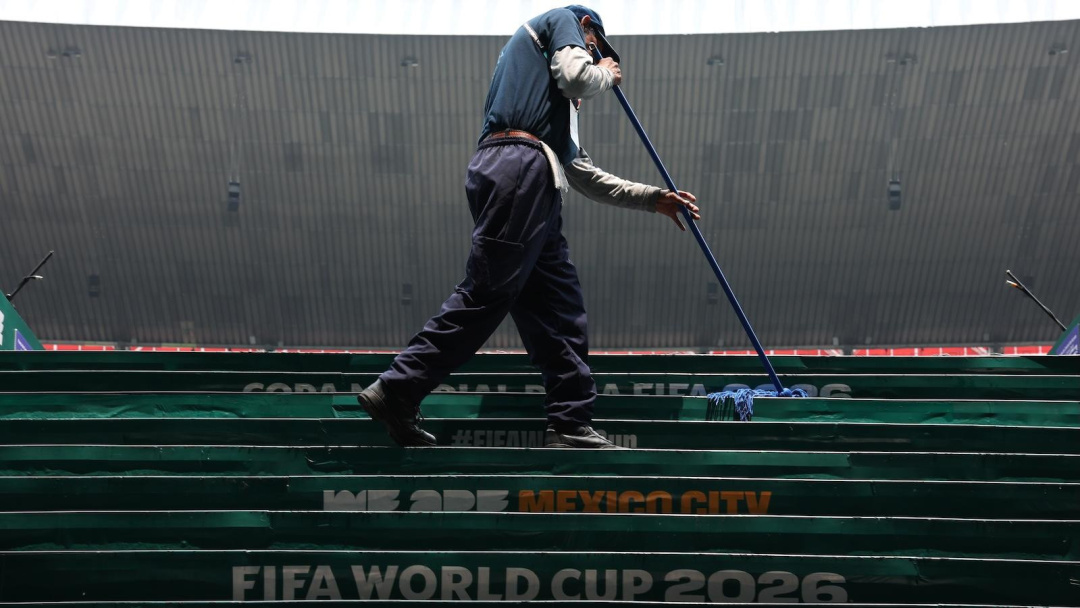
Extreme heat has emerged as a critical concern during this year's World Cup, with organizers implementing hydration breaks for players to ensure their safety. However, this initiative does not extend to all workers involved in the event, such as those selling concessions, cleaning the stadium, or managing security outside. Lucia Gambino from the Sur Legal Collaborative, a workers' rights organization, has observed that many workers are visibly affected by the heat, often showing signs of distress and lacking access to necessary resources like water and shade. Gambino pointed out the irony that while FIFA acknowledges the need for athletes to stay hydrated and cool, the same considerations are not afforded to the workers supporting the event. The heat wave impacting several host cities, including Atlanta, Miami, and New York, has raised alarms as dangerously high temperatures and heat indices pose serious risks of heat exhaustion and heat stroke for those working outdoors. A paper published in the journal Applied Physiology, Nutrition, and Metabolism prior to the tournament highlighted these risks, emphasizing that climate change is intensifying heat waves and that workers may not be acclimatized to such extreme conditions. This is particularly concerning as many workers may have underlying health issues that make them more vulnerable compared to athletes in peak physical condition. The complexity of worker safety is further compounded by the fact that not all workers are directly employed by FIFA; many are hired by contractors or subcontractors, each with different safety protocols and communication practices. Andrew Grundstein, a geography and atmospheric sciences professor at the University of Georgia, noted the challenges in establishing a uniform heat policy for such a diverse workforce. The tournament's international nature adds another layer of complexity, as different countries and states have varying regulations regarding worker protection from heat. Maggie Morrissey from Providence College and the Korey Stringer Institute stressed the importance of FIFA taking responsibility for worker safety, emphasizing the need for clear protections and guidelines. In response to the heat concerns, FIFA has outlined a tiered heat mitigation model that includes increased cooling measures and adjusted work-rest cycles based on real-time temperature forecasts. However, the effectiveness of these measures remains to be seen, especially during high-stakes matches. Gambino reported seeing workers struggling in the heat during a recent match, highlighting the urgent need for stronger regulations and collaborative efforts to enhance worker safety. She advocates for future events to prioritize worker protections and ensure that safety measures are robust and effectively communicated. Morrissey echoed this sentiment, suggesting that FIFA could incorporate worker safety requirements into agreements with host cities to ensure adequate protections are in place. The situation serves as a reminder of the essential role workers play in making large events like the World Cup possible, and the need for their safety to be prioritized.