New Study Reveals U.S. Obesity Rates Reach 40% Among Adults and 20% Among Youth

Obesity continues to become more prevalent in the United States, according to new research published in the American Heart Association’s journal Circulation. The study reveals that approximately 40 percent of adults and 20 percent of children and teens were living with obesity in 2023. This alarming trend underscores a significant public health challenge that has been escalating over the past 24 years, as obesity is closely linked to serious health conditions such as heart disease, diabetes, and other chronic illnesses.
The research analyzed national health data collected between 1999 and 2023, revealing that obesity rates among U.S. adults increased from 30 percent in 1999 to 41 percent in 2023. Severe obesity, defined as a body mass index (BMI) of 40 or higher, doubled during this period, rising from 5 percent to 10 percent. Additionally, the study documented a notable increase in abdominal obesity, which refers to excess fat around the waist—a measurement that is critical since excess abdominal fat is associated with a higher risk of heart disease, Type 2 diabetes, and stroke. The prevalence of abdominal obesity among adults rose from 48 percent to 61 percent.
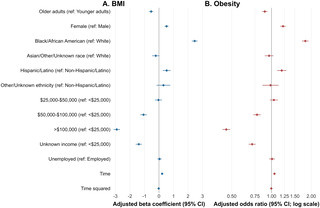
The trend is equally concerning among younger populations. Compared to 1999, obesity rates among children and adolescents surged by about 30 percent by 2023, with severe obesity increasing by roughly 50 percent and abdominal obesity nearly tripling. The study also highlighted significant disparities among different demographic groups, noting that women were more likely than men to experience severe obesity and abdominal obesity. By 2023, approximately 13 percent of women had severe obesity compared to 7 percent of men, while abdominal obesity affected 70 percent of women and 51 percent of men. Furthermore, non-Hispanic Black adults consistently exhibited the highest prevalence of obesity throughout the study period.
The implications of rising obesity rates are profound, as obesity is a major risk factor for several serious health conditions, including Type 2 diabetes, high blood pressure, heart disease, stroke, and chronic kidney disease. Excess body weight can also increase the risk of premature death. The American Heart Association has identified obesity as the earliest stage of cardiovascular-kidney-metabolic syndrome, a group of interconnected conditions affecting the heart, kidneys, and metabolism. Managing weight through healthy eating, regular physical activity, and other evidence-based treatments is considered a vital strategy for reducing long-term health risks.
Researchers recommend that healthcare professionals routinely measure both BMI and waist circumference, as each provides valuable information regarding obesity-related health risks. They also note that treatment options have expanded in recent years. While lifestyle changes remain foundational for many, others may benefit from FDA-approved weight-loss medications, including GLP-1 receptor agonists, or bariatric surgery, depending on individual health needs.
Despite the significant findings, the study does have limitations. BMI does not differentiate between fat and muscle, and a decline in participation in the national survey over time may have influenced the results. Nevertheless, the research points to a continuing rise in obesity and emphasizes the importance of prevention, early intervention, and access to effective treatment.