Meta-Analysis Reveals Links Between Ultraprocessed Food Intake and Chronic Disease Risk
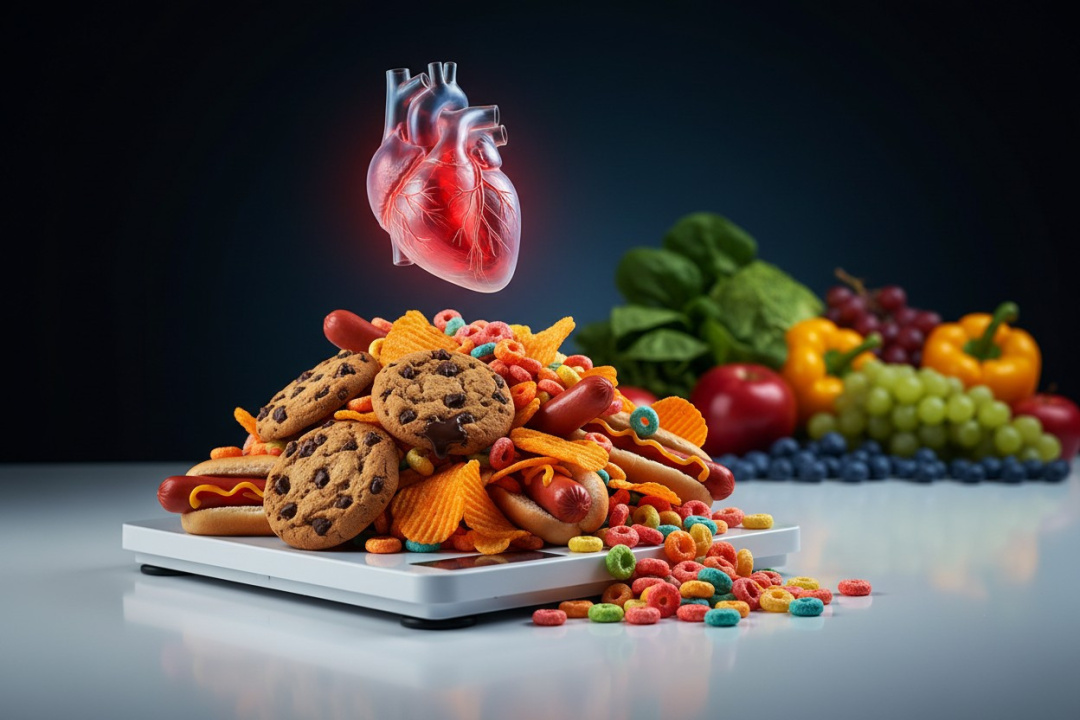
A meta-analysis led by Xiao Liu, MD, PhD, from Duke-NUS Medical School in Singapore and Sun Yat-Sen Memorial Hospital in Guangzhou, China, has found significant associations between ultraprocessed food consumption and chronic disease risk. Published in Family Medicine and Community Health, the study analyzed data from 51 prospective cohort studies, encompassing more than 8.8 million participants. The researchers noted that 100 grams of ultraprocessed food could equate to a large cookie, about four servings of potato chips, or two hot dogs. This type of food now constitutes over 60% of the average American's caloric intake. The findings revealed that for every additional 100 grams of ultraprocessed food consumed daily, the hazard ratios for various health outcomes were concerning: 1.14 for cardiovascular events, 1.04 for cancer, 1.03 for all-cause mortality, and 1.02 for metabolic syndrome or diabetes. The study highlighted that higher consumption of ultraprocessed foods was significantly linked to cardiovascular events, cancer, obesity, metabolic syndrome, depression, digestive diseases, and overall mortality. However, the evidence was classified as low-certainty for most outcomes, except for obesity, where it was deemed moderate. These findings align with previous research indicating that high ultraprocessed food intake correlates with adverse health outcomes. For instance, a study published in The American Journal of Medicine found that individuals with the highest ultraprocessed food consumption had a 47% increased risk of heart attack or stroke. Additionally, European researchers have noted consistent associations between high ultraprocessed food consumption and cardiovascular harm. Liu and colleagues suggested that reducing the intake of ultraprocessed foods could be crucial for preventing chronic diseases. They recommend that healthcare practitioners advise patients to gradually decrease their consumption of these foods to about 10% to 20% of their total daily caloric intake. The authors advocate for replacing ultraprocessed foods with minimally processed alternatives rather than advocating for strict restrictions. They also emphasized the need for practitioners to identify which specific types of ultraprocessed foods are most closely linked to negative health outcomes. Prior studies have shown that ready-to-eat products often lack nutritional balance and contribute to excessive caloric intake. The meta-analysis authors acknowledged that while their findings are significant, they do not establish causation due to the nature of prospective cohort studies. They called for future research to adopt standardized metrics for ultraprocessed food exposure and to clarify clinically relevant intake thresholds across diverse populations. The discussion surrounding ultraprocessed foods is gaining traction in policy circles as well. Recently, California passed legislation aimed at defining and limiting ultraprocessed foods in public schools, reflecting a growing recognition of the need to address this issue. The FDA is also enhancing its review processes for food chemicals associated with health risks. The complexity of the evidence surrounding ultraprocessed foods and health outcomes continues to be a topic of debate among researchers. Gunter Kuhnle, PhD, from the University of Reading, noted that randomized controlled trials may provide a more nuanced understanding of the relationship between dietary adherence and health outcomes, suggesting that focusing on overall dietary patterns may be more beneficial than simply avoiding ultraprocessed foods. The divergence in interpretations of the data highlights the ongoing scientific discourse regarding the impact of food processing on health. As the research progresses, it is crucial to approach the findings with caution and to consider the broader implications for dietary recommendations and public health initiatives.