Study Finds Silent Atherosclerosis in Young Adults Without Cardiovascular Disease

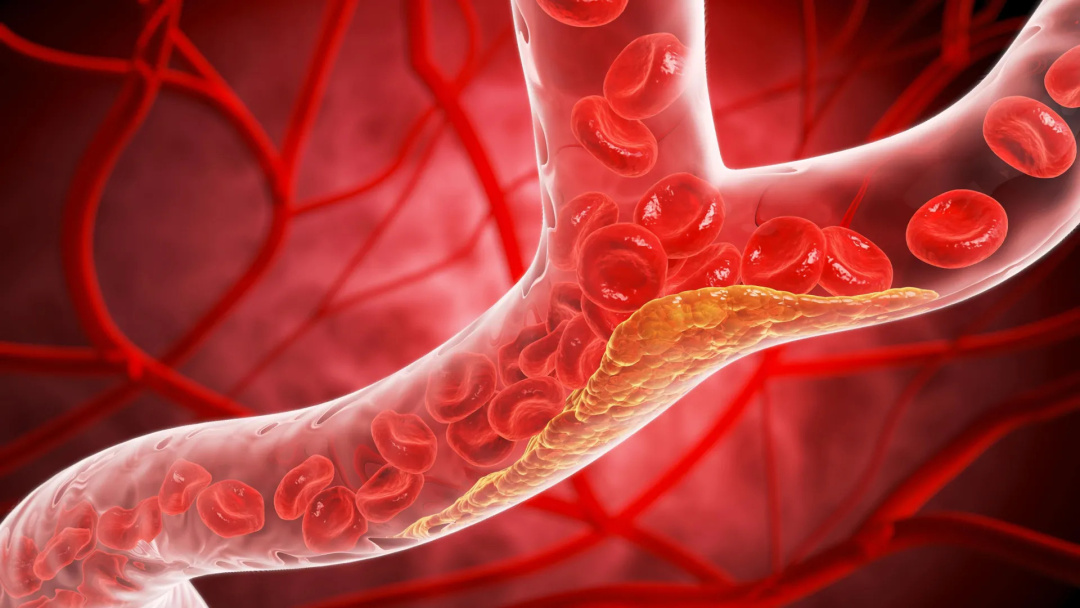
Recent research has revealed that silent atherosclerosis, the hardening of arteries due to plaque buildup, can begin much earlier than previously thought. A study involving over 16,800 adults aged 18 to 70, conducted by researchers from Denmark and Spain, found that approximately one in 13 adults aged 18 to 29 already exhibited signs of this condition, despite having no known cardiovascular disease. Overall, more than half of the participants showed evidence of plaque in their arteries, with the prevalence increasing with age. The findings were published in The New England Journal of Medicine in August.
Atherosclerosis develops silently over many years, often without symptoms, until it leads to serious events like heart attacks or strokes. Dr. Borja Ibáñez, a cardiologist and scientific director at Spain's National Center for Cardiovascular Research, emphasized that this study allows for direct detection of the disease before it manifests clinically. The ongoing REACT study aims to map the prevalence of silent artery plaque across adulthood, with future phases focusing on whether early detection can enhance prevention strategies.
The study also indicated that traditional cardiovascular risk scores often miss many cases of silent atherosclerosis, as they primarily consider factors like age, blood pressure, and cholesterol levels. Researchers noted that men tend to develop plaque five to 10 years earlier than women, while women experience a significant increase in plaque buildup between the ages of 40 and 60.
The implications of these findings are significant; they suggest that preventive measures should begin early, even before symptoms arise. However, experts caution against panic, stating that the presence of plaque does not mean an imminent heart attack is likely. Instead, it presents an opportunity to address risk factors proactively. Dr. Sirisha Vadali, a cardiologist not involved in the study, noted that while the findings are concerning, they do not warrant universal screening for all young adults. Decisions regarding additional testing should be personalized based on individual risk factors.
Maintaining a healthy lifestyle, including avoiding tobacco, engaging in regular physical activity, and consuming a balanced diet rich in fruits, vegetables, whole grains, and healthy fats, is still crucial for heart health. The researchers advocate for a shift in focus towards early detection and management of cardiovascular health, which could lead to better outcomes in the long term.